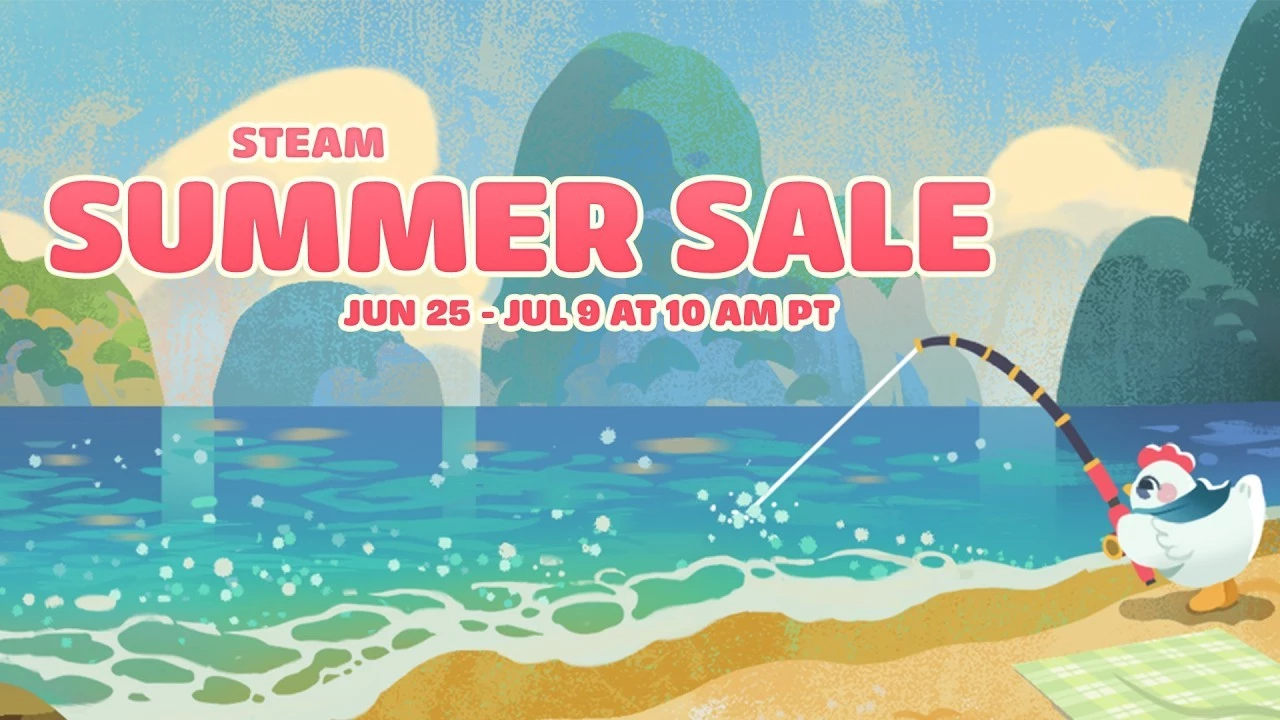
With the summer sale having just concluded, Steam users are already looking ahead to their next opportunity to expand their gaming libraries at discounted prices. While the remainder of 2024 still promises two major sales events and approximately a dozen smaller promotional activities, Valve has taken the unusual step of publishing their complete promotional calendar extending all the way through the first half of 2027. This unprecedented level of forward planning gives both gamers and developers significant time to prepare for upcoming opportunities.
The early announcement demonstrates Valve’s commitment to transparency and allows the gaming community to budget and plan their purchases well in advance. For many PC gamers, Steam sales have become cultural events, with communities gathering online to share deals, recommend hidden gems, and collectively explore new titles at reduced prices. The platform’s seasonal sales regularly see millions of concurrent users browsing through thousands of discounted games.
The Evolution of Steam Sales
Steam sales have come a long way since their inception in 2009. What started as relatively modest promotional events has evolved into massive commercial phenomena that shape the entire PC gaming market. The platform’s seasonal sales—typically occurring during summer, autumn, and winter—have become anticipated events rivaling traditional retail shopping holidays like Black Friday. Industry analysts estimate that Steam sales generate hundreds of millions of dollars in revenue during peak promotional periods, benefiting both Valve and the thousands of developers who list their games on the platform.
The structure of these sales has also evolved considerably over the years. Early Steam sales featured flash deals and daily specials that created urgency and encouraged frequent checking of the store. However, Valve eventually moved toward a more stable pricing model where discounts remain consistent throughout the sale period, reducing stress for consumers and allowing for more thoughtful purchasing decisions. This change was widely praised by the gaming community as it eliminated the fear of missing out on time-limited deals.
Festival Events and Their Growing Importance
Beyond the major seasonal sales, Steam’s festival events have become increasingly important for game discovery, particularly for independent developers. Events like Steam Next Fest allow developers to showcase playable demos of upcoming titles, generating wishlists and building anticipation before launch. These festivals often focus on specific genres or themes, such as strategy games, horror titles, or narrative-driven experiences, helping players discover games they might otherwise overlook in Steam’s vast catalog of over 50,000 titles.
The announcement of the 2027 calendar includes dates for these smaller but equally significant events. For indie developers especially, participating in these festivals can be transformative for their projects. Studies have shown that games featured prominently during Steam festivals often see significant spikes in wishlists, which directly correlates with stronger launch-day performance. The extended planning window gives smaller studios ample time to prepare demos, marketing materials, and coordinate their release schedules around these high-visibility opportunities.
What This Means for Gamers and Developers
For consumers, the early announcement allows for unprecedented financial planning. Dedicated gamers often maintain wishlists containing dozens or even hundreds of titles, waiting patiently for sales to make their purchases more affordable. Knowing the exact dates of upcoming sales years in advance enables more strategic budgeting and helps prevent impulse purchases at full price. For developers and publishers, the calendar provides crucial information for timing game releases, as launching too close to a major sale can impact initial sales figures while launching strategically before a sale can maximize both full-price purchases and discounted volume.
The gaming industry continues to watch Valve’s moves closely, as Steam remains the dominant platform for PC game distribution despite increasing competition from Epic Games Store, GOG, and other alternatives. Valve’s willingness to share long-term planning information suggests confidence in their market position and a desire to maintain positive relationships with both developers and consumers as the digital gaming marketplace continues to evolve.
Expert Opinion: Valve’s decision to publish sales calendars nearly three years in advance signals a maturing digital marketplace where predictability benefits all stakeholders. This transparency particularly advantages smaller developers who can now align their development cycles and marketing budgets with guaranteed high-traffic periods. As competition in the PC gaming storefront space intensifies, expect other platforms to follow suit with similar long-term promotional planning to remain competitive.