While the gaming industry confidently moves toward completely abandoning physical discs, the music market is experiencing an unexpected renaissance. In a surprising twist that has caught industry analysts off guard, Generation Z — the demographic cohort born between 1997 and 2012 — is driving a remarkable resurgence in compact disc sales. This trend defies the conventional wisdom that digital natives would have no interest in physical media formats that predate their birth. Instead, young consumers are actively seeking out CDs, creating a cultural phenomenon that speaks to deeper desires for tangible connections in an increasingly virtual world.
The numbers tell a compelling story. According to recent industry reports, CD sales have shown consistent growth over the past three years, with 2024 marking the strongest performance in over a decade. In the United States alone, CD sales increased by approximately 15% compared to the previous year, with similar trends observed across Europe and Asia. Major retailers who had significantly reduced their CD inventory are now scrambling to restock shelves as demand continues to climb. Record stores, once considered relics of a bygone era, are experiencing renewed foot traffic from young shoppers eager to browse physical collections.
The Psychology Behind the Physical Media Revival
Music industry experts point to several factors driving this unexpected trend. For Generation Z, who grew up with unlimited streaming access through platforms like Spotify and Apple Music, owning a physical CD represents something fundamentally different — a tangible connection to their favorite artists. The experience of holding an album, examining the artwork, and reading liner notes creates an emotional bond that digital files simply cannot replicate. Dr. Sarah Mitchell, a cultural studies professor at Columbia University, explains that this phenomenon reflects a broader pushback against the ephemeral nature of digital consumption. Young people are seeking authenticity and permanence in an age where everything exists as temporary data in the cloud.
The aesthetic appeal of CDs also plays a significant role. Social media platforms, particularly TikTok and Instagram, have amplified the visual culture surrounding physical music collections. Young consumers proudly display their CD collections as expressions of personal identity and musical taste. The hashtag #CDcollection has accumulated billions of views, with users sharing carefully curated shelf arrangements and unboxing videos of limited edition releases. This social component has transformed CD purchasing from a mere transaction into a shareable lifestyle statement.
Economic Factors and Artist Support
Beyond aesthetics, economic considerations are influencing purchasing decisions. Many Generation Z consumers have become increasingly aware of the streaming economy’s impact on artists. With major platforms paying fractions of a cent per stream, musicians often struggle to earn sustainable income from their work. Purchasing a CD provides a more direct and substantial form of financial support. This consciousness aligns with Generation Z’s broader values around ethical consumption and supporting creators fairly. Artists have responded by releasing special editions, colored discs, and exclusive bonus content available only in physical formats, further incentivizing purchases.
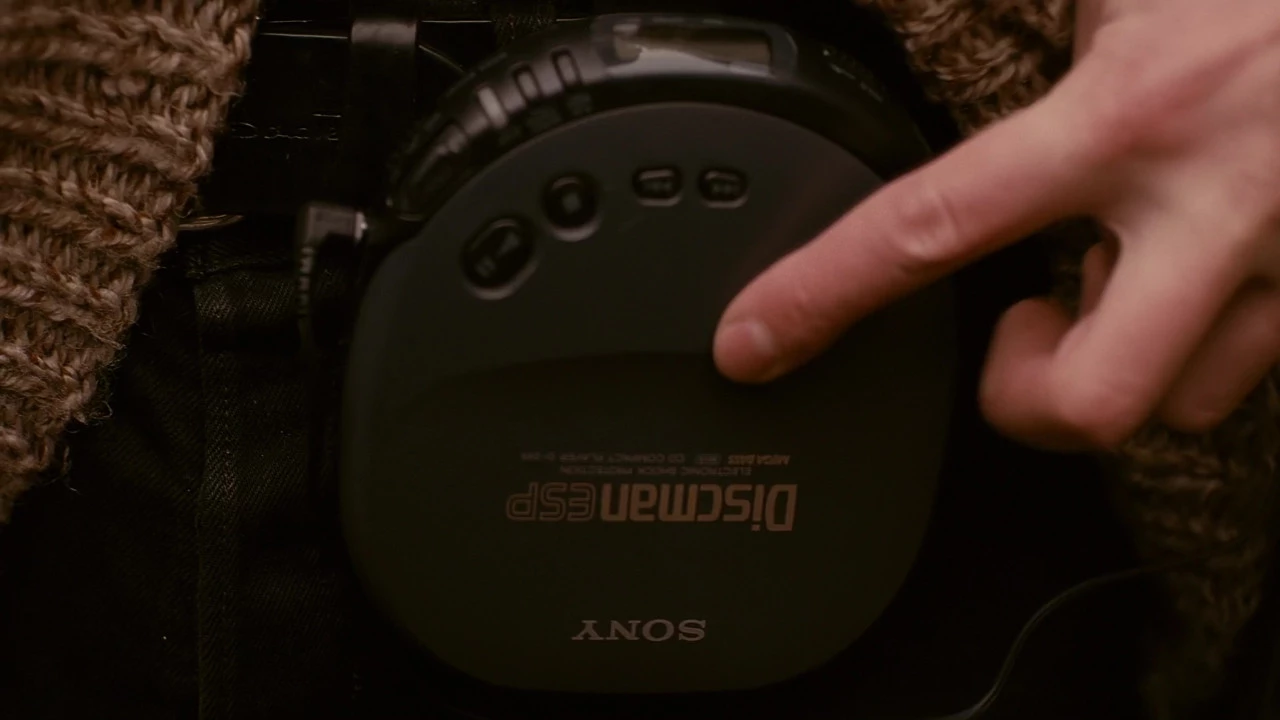
The compact disc itself has a fascinating history that adds context to its revival. Introduced jointly by Sony and Philips in 1982, the CD revolutionized music consumption by offering superior audio quality compared to cassette tapes and vinyl records. The format dominated the music industry throughout the 1990s and early 2000s, reaching peak sales of nearly one billion units annually worldwide. The introduction of the iPod in 2001 and subsequent rise of digital downloads marked the beginning of CD’s decline, followed by the streaming revolution of the 2010s. Many industry observers had written off the format entirely, making its current resurgence all the more remarkable.
The Future of Physical Media in Music
Looking ahead, industry analysts predict that CD sales will continue their upward trajectory, though they are unlikely to return to their late-1990s peak. The format occupies a unique middle ground between the accessibility of streaming and the premium collectibility of vinyl records. Major record labels have taken notice, increasing CD production capacity and investing in special packaging designs to attract young buyers. Independent artists are also embracing the format, recognizing it as both a revenue stream and a marketing tool. The contrast with the gaming industry, where physical disc drives are being eliminated from consoles, highlights how different entertainment sectors are responding to digital transformation in distinct ways.
The Generation Z CD phenomenon ultimately reflects a broader cultural shift toward intentional consumption. In a world of infinite digital choice, the act of selecting, purchasing, and owning a physical album becomes a meaningful statement. Young consumers are not rejecting technology but rather seeking balance — enjoying the convenience of streaming while preserving space for tangible musical experiences. As one 19-year-old collector recently explained in a viral TikTok video, “Streaming is for discovering music, but CDs are for the albums that actually mean something to me.” This sentiment encapsulates the driving force behind an unexpected market trend that shows no signs of slowing down.
Expert Opinion: The CD revival among Generation Z represents more than mere nostalgia — it signals a fundamental reassessment of value in the digital age. Industry analysts anticipate this trend will stabilize at approximately 20-25% of pre-digital peak levels, creating a sustainable niche market for physical music media. Record labels that invest in premium packaging and exclusive content will be best positioned to capitalize on this demand, while the phenomenon may eventually extend to other physical media formats as young consumers continue seeking tangible alternatives to purely digital experiences.