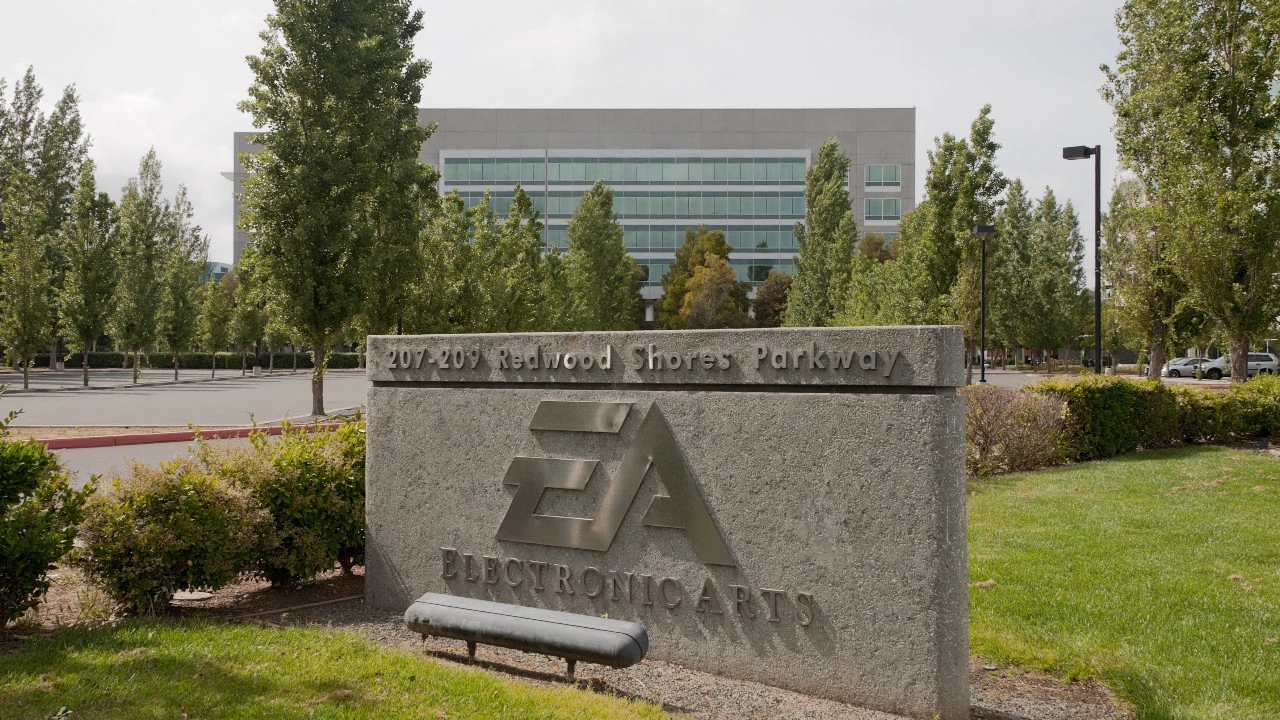
The European Commission has announced it will not oppose the landmark acquisition of gaming giant Electronic Arts by a consortium led by Saudi Arabia’s Public Investment Fund (PIF), alongside private equity firms Silver Lake and Affinity Partners. This regulatory green light marks a crucial milestone in what is shaping up to be one of the largest transactions in video game industry history, potentially reshaping the landscape of interactive entertainment for years to come.
Details of the Historic Gaming Deal
The acquisition represents a seismic shift in the gaming industry’s ownership structure. Electronic Arts, known for blockbuster franchises such as FIFA (now EA Sports FC), Madden NFL, The Sims, Battlefield, and Apex Legends, has been a cornerstone of the video game publishing world since its founding in 1982. The company currently employs over 13,000 people worldwide and generates annual revenues exceeding $7 billion, making it one of the most valuable gaming companies globally.
Silver Lake, a technology-focused private equity firm with a strong track record in the entertainment sector, brings substantial expertise in managing large-scale technology acquisitions. Affinity Partners, founded by former Trump administration official Jared Kushner, adds another dimension to this diverse investment group. The combined financial firepower of these three entities suggests a deal value potentially reaching tens of billions of dollars, though exact figures have not been publicly disclosed.
Saudi Arabia’s Growing Gaming Ambitions
This acquisition fits squarely within Saudi Arabia’s Vision 2030 initiative, the kingdom’s ambitious plan to diversify its economy away from oil dependence. The PIF has been aggressively investing in the gaming sector over the past several years, accumulating significant stakes in major industry players including Nintendo, Activision Blizzard, and Take-Two Interactive. The sovereign wealth fund has also invested heavily in esports organizations and gaming infrastructure.
The Saudi government views gaming and entertainment as crucial pillars of its economic transformation strategy. In 2021, Crown Prince Mohammed bin Salman announced plans to invest $38 billion in making Saudi Arabia a global hub for gaming and esports. The kingdom has already established the Savvy Games Group as its primary vehicle for gaming investments and has announced intentions to develop homegrown gaming studios and host major international esports tournaments.
Regulatory Landscape and Market Implications
The European Commission’s decision not to intervene suggests that regulators view this transaction as unlikely to substantially reduce competition in the European gaming market. The EU has historically been vigilant about large technology acquisitions, having scrutinized and sometimes blocked major deals in adjacent sectors. However, the gaming market’s fragmented nature, with numerous major publishers and thousands of independent developers, likely contributed to the relatively smooth regulatory process.
Industry analysts note that this acquisition could trigger a new wave of consolidation in the gaming sector. The 2023 completion of Microsoft’s $69 billion acquisition of Activision Blizzard set a new benchmark for gaming industry deals, and the EA transaction suggests that appetite for major gaming assets remains robust among both technology companies and sovereign wealth funds. Other major publishers, including Ubisoft and Take-Two Interactive, may face increased acquisition interest as a result.
Future Outlook for Electronic Arts
Questions remain about how new ownership might affect Electronic Arts’ operations, game development priorities, and corporate culture. Saudi investment in Western entertainment companies has sometimes attracted controversy, with critics raising concerns about human rights issues in the kingdom. However, previous Saudi investments in gaming companies have generally maintained operational independence for the acquired entities. EA’s established franchises and live service games generate substantial recurring revenue, making the company an attractive target for long-term investors seeking stable returns in the growing gaming market, which is projected to exceed $300 billion globally by 2027.
Expert Opinion: This acquisition signals a fundamental shift in how sovereign wealth funds view the gaming industry—no longer as speculative entertainment investments but as strategic infrastructure assets comparable to telecommunications or media networks. The Saudi-led consortium’s success in securing EU approval suggests we may see accelerated consolidation among remaining independent publishers, with Japanese companies like Capcom and Square Enix potentially becoming the next acquisition targets as global investors compete for premium gaming assets.