
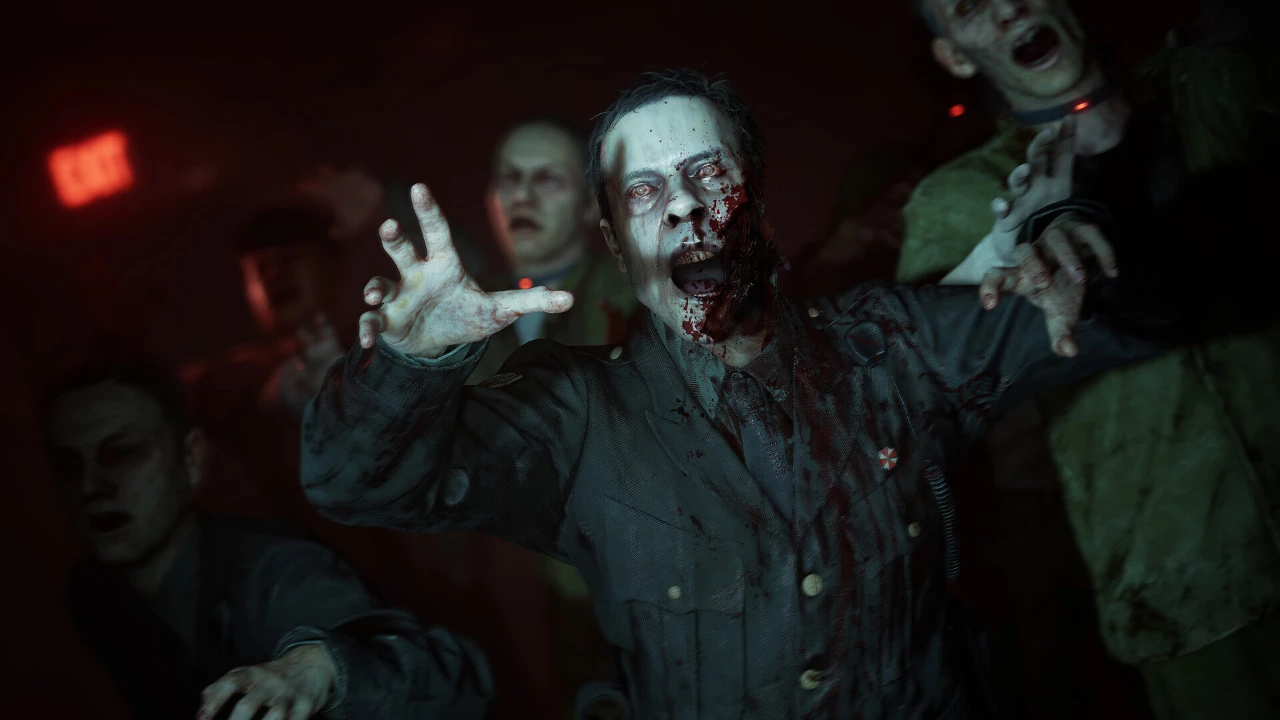
Japanese gaming giant Capcom has announced an ambitious new strategy for its flagship horror franchise, with plans to release a new Resident Evil game every single year. The announcement came from studio producer Masachika Kawata, signaling a significant shift in the company’s approach to one of gaming’s most beloved survival horror series. This aggressive release schedule marks a dramatic departure from the franchise’s traditional development cycle and raises questions about how the company will maintain quality while meeting such demanding production timelines.
A New Era for Survival Horror’s Most Iconic Franchise
The Resident Evil franchise, known in Japan as Biohazard, has been a cornerstone of Capcom’s gaming portfolio since its debut in 1996. Over nearly three decades, the series has sold over 150 million copies worldwide, making it one of the best-selling video game franchises in history. The original game essentially defined the survival horror genre, introducing players to the zombie-infested Spencer Mansion and establishing gameplay mechanics that would influence countless titles for years to come. Historically, mainline Resident Evil entries have been released with gaps of two to four years between them, allowing development teams sufficient time to innovate and polish each installment.
Producer Masachika Kawata’s announcement suggests Capcom is confident in its ability to scale production without sacrificing the quality that fans expect. The company has multiple internal teams capable of working on different projects simultaneously, and recent successes with the Resident Evil 2, 3, and 4 remakes have demonstrated their ability to deliver critically acclaimed titles on tighter schedules. Industry analysts believe this strategy could involve a combination of full remakes, new mainline entries, and spin-off titles to maintain the annual cadence while diversifying the franchise’s offerings.
Industry Implications and Fan Reactions
The gaming community has responded with mixed reactions to this news. Some fans express enthusiasm at the prospect of more frequent visits to the Resident Evil universe, while others worry about potential franchise fatigue and quality dilution. The annualized release model has proven controversial in other major franchises, with series like Call of Duty and Assassin’s Creed facing criticism over perceived repetitiveness before adjusting their strategies. However, Capcom’s recent track record suggests the company may have learned from these industry precedents, as their recent releases have consistently received high review scores and strong sales performance.
From a business perspective, this strategy aligns with Capcom’s broader corporate goals of maximizing returns from their most valuable intellectual properties. The company has been experiencing a renaissance period, with stock prices reaching all-time highs and critical acclaim for recent releases including Monster Hunter Rise and the Street Fighter series. An annual Resident Evil release could provide steady revenue streams while keeping the franchise culturally relevant in an increasingly competitive gaming landscape. The success of the recent Resident Evil Village and its DLC content has proven that appetite for the franchise remains strong among both longtime fans and newcomers to the series.
What This Means for the Future of Survival Horror
Looking ahead, this strategy could reshape the survival horror genre as a whole. As the genre’s most prominent franchise, Resident Evil’s direction often influences broader industry trends. Competitors may feel pressure to accelerate their own development cycles, potentially leading to more frequent releases across the horror gaming landscape. Additionally, Capcom’s RE Engine technology, which has powered recent entries, continues to evolve and could enable more efficient development processes without compromising visual fidelity or gameplay innovation. With potential remakes of earlier titles like Resident Evil 5 and Code Veronica rumored, combined with new mainline entries and possible spin-offs, Capcom appears to have no shortage of content possibilities to sustain their ambitious annual release schedule for years to come.
Expert Opinion: Capcom’s decision to annualize Resident Evil releases represents a calculated gamble that could either cement the franchise’s dominance or risk oversaturating a devoted fanbase. The key to success will be maintaining distinct identities for each release, whether through genre variations, narrative innovation, or technological advancements. If executed properly, this strategy could establish a new industry standard for how legacy franchises can remain perpetually relevant in the modern gaming era.