
Take-Two Interactive, one of the world’s largest video game publishers, is betting heavily on cloud gaming as the future of the industry. Company CEO Strauss Zelnick recently made a bold prediction, stating that within the next three years, the majority of gamers will be playing through cloud streaming services rather than traditional hardware. This forecast comes as hardware prices continue to climb, making high-end gaming increasingly inaccessible to many consumers around the world.
Zelnick’s comments reflect a broader strategic shift at Take-Two, the parent company behind massively successful franchises like Grand Theft Auto, Red Dead Redemption, and NBA 2K. The executive believes that cloud gaming technology has finally matured to the point where it can deliver experiences comparable to local hardware, while simultaneously removing the financial barrier of expensive consoles and gaming PCs. This transition could potentially expand the gaming audience to billions of new players who currently lack access to premium gaming equipment.
Rising Hardware Costs Drive Cloud Gaming Interest
The economic factors driving Zelnick’s prediction are significant. Over the past several years, the cost of gaming hardware has increased dramatically due to global semiconductor shortages, supply chain disruptions, and inflation. Current-generation consoles from Sony and Microsoft launched at premium price points, while high-end graphics cards from NVIDIA and AMD have reached unprecedented costs, sometimes exceeding one thousand dollars for flagship models. For many potential gamers, particularly in developing markets, these prices represent an insurmountable barrier to entry.
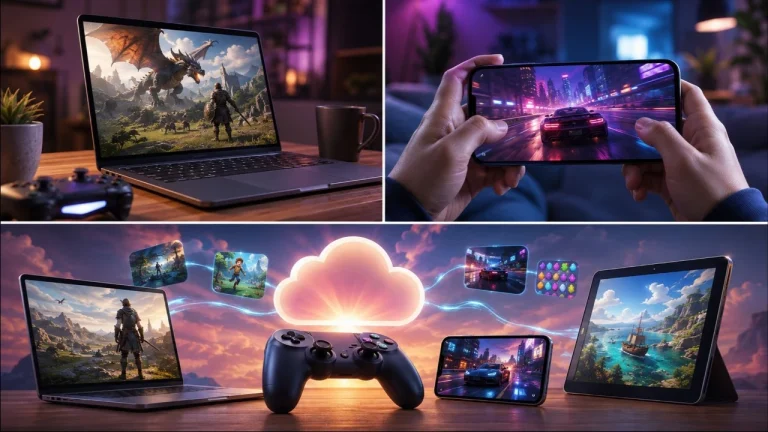
Cloud gaming services fundamentally change this equation by shifting the computational burden from consumer devices to remote data centers. Platforms like NVIDIA GeForce NOW, Xbox Cloud Gaming, Amazon Luna, and PlayStation Now allow users to stream games to virtually any device with a stable internet connection, including smartphones, tablets, smart TVs, and low-powered laptops. This democratization of access could unlock enormous new markets for publishers like Take-Two, who would naturally benefit from a vastly expanded potential customer base.
Industry Leaders Remain Divided on Cloud Gaming Timeline
While Zelnick’s enthusiasm for cloud gaming is notable, the technology still faces significant challenges that could affect the timeline for mass adoption. Latency remains the primary technical hurdle, as even small delays between player input and on-screen response can severely impact the gaming experience, particularly in competitive multiplayer titles. Additionally, cloud gaming requires robust internet infrastructure that simply does not exist in many regions worldwide. Experts estimate that a minimum connection speed of 15-25 Mbps is necessary for acceptable performance, with 4K streaming requiring significantly more bandwidth.
Major technology companies have had mixed results with their cloud gaming ventures. Google notably shut down its Stadia gaming service in early 2023, despite significant investment and technological capability. Microsoft has integrated cloud gaming into its Xbox Game Pass subscription service with moderate success, while NVIDIA continues to expand its GeForce NOW platform. Amazon Luna has struggled to gain significant market traction, suggesting that consumer adoption may be slower than some industry leaders anticipate. However, improvements in 5G networks and fiber optic infrastructure deployment could accelerate the transition Zelnick predicts.
Take-Two Positions for a Streaming Future
For Take-Two Interactive specifically, a shift toward cloud gaming could prove highly profitable. The company’s flagship titles, particularly the Grand Theft Auto series, have historically been limited to players with access to capable gaming hardware. Cloud streaming could potentially bring GTA and other Take-Two properties to hundreds of millions of additional players across emerging markets in Asia, Africa, and South America. The company has already demonstrated adaptability through mobile versions of classic titles and partnerships with existing streaming platforms.
As the gaming industry continues to evolve, the debate over cloud gaming’s ultimate role remains ongoing. While skeptics point to infrastructure limitations and the closure of services like Stadia, proponents like Zelnick see an inevitable transition driven by economic pressures and technological advancement. Whether his three-year timeline proves accurate will depend on continued improvements in streaming technology, global internet infrastructure development, and consumer willingness to embrace a model where they no longer own physical or downloaded copies of their games.
Expert Opinion: While Zelnick’s three-year prediction may be optimistic given current infrastructure limitations in many regions, the underlying trend toward cloud gaming appears inevitable. Publishers like Take-Two stand to benefit enormously from reduced hardware barriers, potentially doubling or tripling their addressable market within the decade. The key variables will be 5G deployment speed and whether streaming services can solve latency issues for competitive gaming genres.