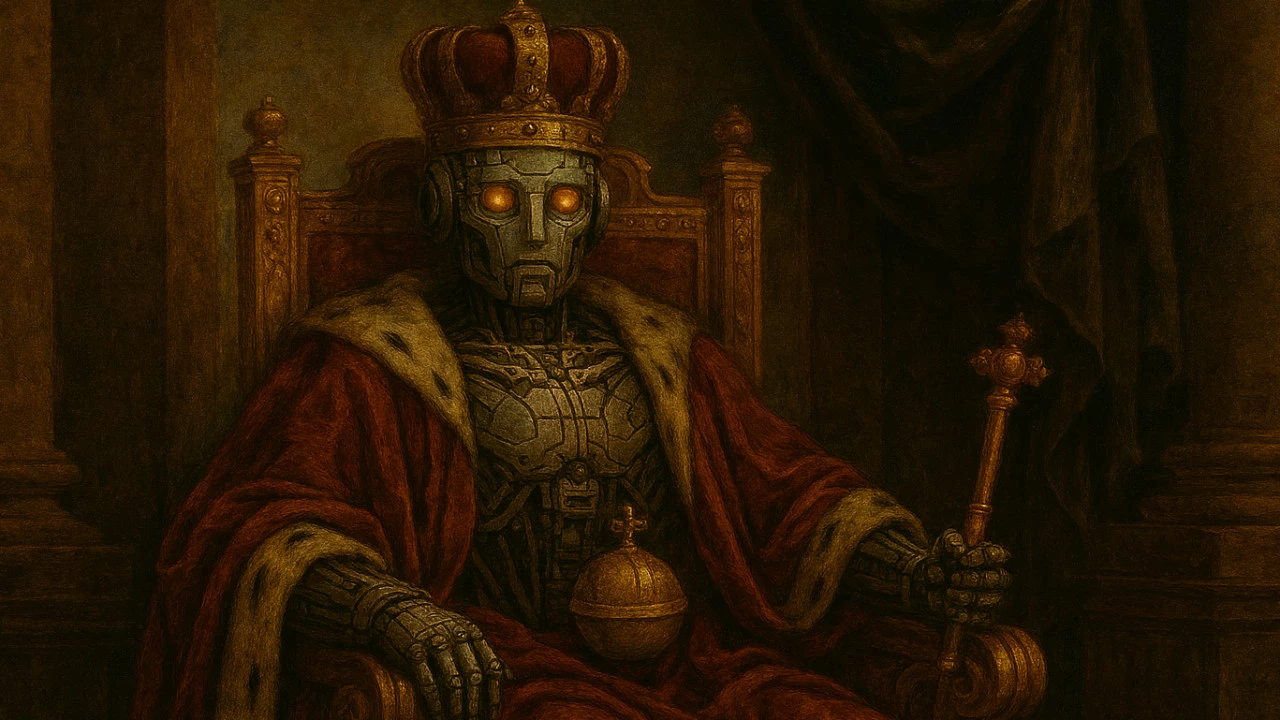
In a significant statement that addresses growing concerns within the gaming industry, Take-Two Interactive CEO Strauss Zelnick has declared that artificial intelligence technologies will serve to enhance creative output rather than eliminate jobs. Speaking during the company’s recent financial earnings call, Zelnick offered a measured perspective on AI’s role in game development, emphasizing that while these emerging technologies can amplify human creativity, they cannot fully replace the unique contributions of human creators.
This position comes at a critical time when the video game industry faces unprecedented scrutiny over potential workforce disruptions caused by AI integration. Take-Two Interactive, the parent company behind massively successful franchises like Grand Theft Auto, Red Dead Redemption, NBA 2K, and Borderlands, represents one of the most influential voices in the gaming sector. Zelnick’s comments suggest a philosophy focused on using AI as a collaborative tool rather than a cost-cutting mechanism aimed at reducing headcount.
The Growing AI Debate in Gaming
The integration of artificial intelligence into game development has sparked intense debate across the entertainment industry. Major studios have been exploring AI applications ranging from procedural content generation and NPC behavior optimization to quality assurance testing and asset creation. However, these advancements have also triggered concerns among developers, artists, writers, and voice actors who fear their roles could become obsolete. Industry unions and advocacy groups have increasingly called for transparency and protections regarding AI implementation in creative workflows.
Zelnick’s stance appears to align with a more optimistic view of human-AI collaboration. Rather than viewing artificial intelligence as a replacement technology, he suggests it should be considered an enhancement tool that allows creative professionals to achieve higher quality results. This perspective echoes sentiments expressed by other industry leaders who argue that AI can handle repetitive tasks, freeing human creators to focus on innovation, storytelling, and the nuanced artistic decisions that define memorable gaming experiences.
Industry Context and Historical Perspective
Take-Two Interactive has navigated multiple technological shifts throughout its history, from the transition to 3D graphics to the rise of online multiplayer and mobile gaming. The company’s flagship title, Grand Theft Auto V, remains one of the best-selling video games of all time, having shipped over 200 million copies since its 2013 release. This track record suggests the publisher understands the importance of balancing technological innovation with creative excellence. The gaming industry has historically experienced waves of technological disruption, from motion capture to real-time ray tracing, yet human creativity has remained central to producing compelling interactive experiences.
Recent months have seen significant layoffs across the gaming sector, with major companies including Microsoft, Electronic Arts, and Sony reducing their workforces. While these cuts have been attributed to various economic factors including post-pandemic market corrections and rising development costs, concerns persist that AI adoption could accelerate job losses. Zelnick’s public commitment to using AI for quality improvement rather than workforce reduction offers some reassurance to industry professionals, though observers note that corporate statements during earnings calls often reflect aspirational rather than binding commitments.
Looking Toward the Future
As the gaming industry continues to evolve, the relationship between artificial intelligence and human creativity will likely remain a central topic of discussion. Take-Two’s upcoming release schedule, including the highly anticipated Grand Theft Auto VI, will provide opportunities to observe how the company integrates AI technologies into its development processes. Industry analysts suggest that studios capable of effectively combining AI efficiency with human creativity may gain competitive advantages in an increasingly crowded marketplace. However, the ultimate success of this approach will depend on maintaining the artistic vision and emotional depth that distinguish memorable games from technically proficient but soulless products.
The broader implications of Zelnick’s statement extend beyond Take-Two Interactive. As one of the industry’s most prominent executives, his perspective could influence how other publishers approach AI integration. The coming years will reveal whether the gaming industry can successfully harness artificial intelligence while preserving the human creativity that has driven its remarkable growth over the past several decades.
Expert Opinion: The gaming industry stands at a pivotal crossroads where AI integration could either democratize development tools and elevate creative output, or create a two-tier system where major publishers leverage automation while smaller studios struggle to compete. Zelnick’s position represents the most sustainable path forward—treating AI as augmentation rather than replacement will likely yield superior creative products while maintaining workforce stability. Companies that rush to cut costs through aggressive AI adoption may find their games lacking the human touch that distinguishes truly memorable gaming experiences.