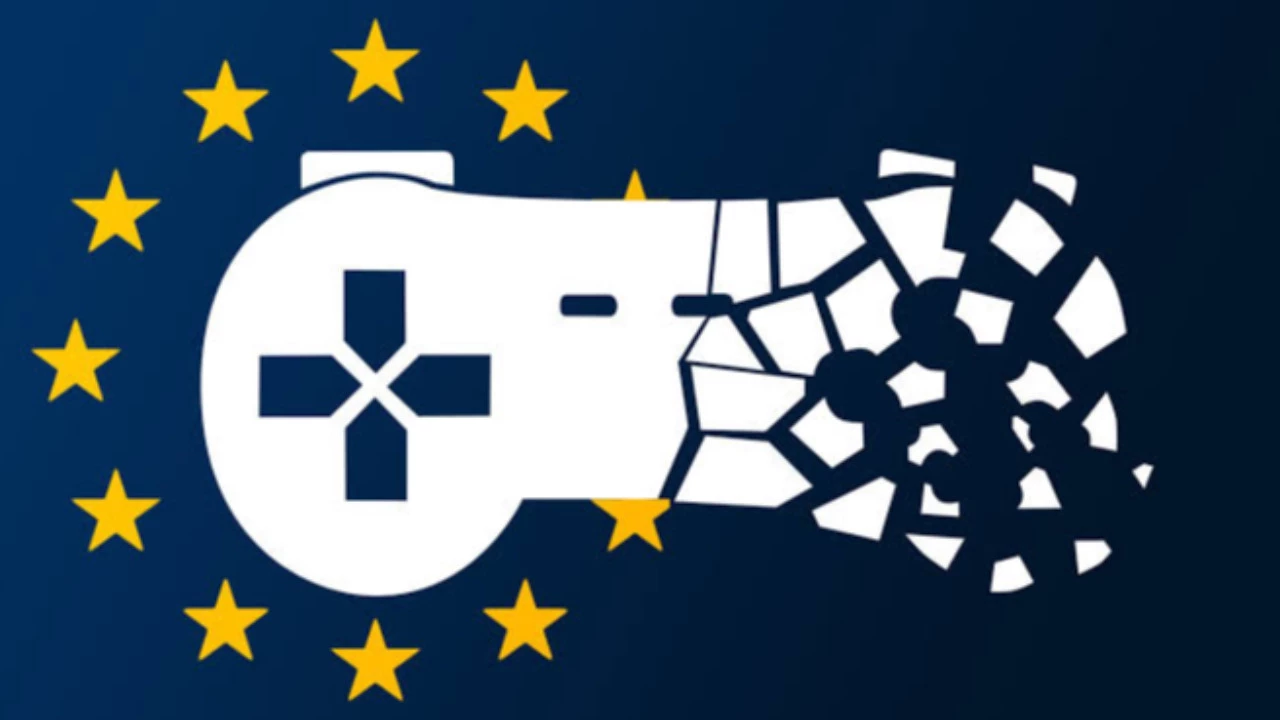
The Stop Killing Games movement, born from the controversial shutdown of Ubisoft’s The Crew servers in early 2024, may be heading toward an insurmountable legal wall. What began as a passionate consumer rights campaign demanding that video game publishers preserve their titles after server closures has evolved into a complex legal battle that experts say fundamentally misunderstands how software licensing works. According to Dr. Seila Pontin, a gaming policy expert at Flux Digital Policy, the activists’ demands may represent a legal impossibility rather than a challenging but achievable goal.
The initiative gained significant momentum throughout 2024, collecting hundreds of thousands of signatures across multiple European countries and attracting attention from lawmakers in the European Union. Supporters argued that when companies shut down online game servers, they effectively destroy products that consumers paid for, sometimes rendering games completely unplayable. The closure of The Crew, a racing game that required constant online connectivity despite its primarily single-player content, became the catalyst for widespread outrage among gaming communities worldwide.
The Licensing Problem at the Heart of the Debate
Dr. Pontin’s analysis cuts to the core issue that many activists have overlooked: consumers don’t actually own the video games they purchase. Instead, they acquire a license to use the software under specific terms and conditions set by the publisher. This licensing model has been standard practice in the software industry for decades and has been repeatedly upheld in courts around the world. When someone buys a digital game on Steam, PlayStation Store, or Xbox Marketplace, they’re purchasing access rights, not ownership of the underlying intellectual property or code. This distinction, while frustrating for consumers, creates an almost impenetrable legal barrier for the Stop Killing Games campaign.
The implications of this licensing structure are profound. Publishers retain full control over their products, including the ability to modify, update, or discontinue services at any time. End User License Agreements (EULAs) that players accept before playing typically include clauses explicitly stating that access can be revoked and services terminated. While consumer protection advocates argue these terms are often buried in lengthy legal documents that few people read, courts have consistently ruled that agreeing to these terms constitutes a binding contract. Even the European Union’s relatively consumer-friendly legal framework has largely upheld these licensing arrangements.
Historical Context and Industry Practices
The debate over digital ownership in gaming has deep roots stretching back to the early days of online gaming. When Electronic Arts shut down servers for dozens of older titles in the 2000s and 2010s, similar protests emerged but failed to produce meaningful change. Games like NBA Live, FIFA editions, and various online shooters simply vanished, leaving players with worthless code. The difference today is the scale of affected players and the increased dependence on always-online features even in traditionally offline genres. Modern games increasingly require server authentication, cloud saves, and persistent online connections, making them vulnerable to publisher decisions decades after purchase.
Some industry observers point to positive examples where publishers have handled end-of-life scenarios more gracefully. Certain games have released server code to communities, allowing dedicated fans to maintain private servers. Others have patched games to work offline before shutting down official support. However, these remain voluntary gestures rather than legal requirements. The Stop Killing Games initiative sought to make such preservation measures mandatory, but Dr. Pontin argues this would require fundamentally restructuring software law across multiple jurisdictions — a practically impossible political and legal undertaking.
The Road Ahead for Digital Preservation
Despite the pessimistic legal outlook, the campaign has succeeded in raising awareness about digital ownership issues. European lawmakers have begun discussing the broader implications of digital goods and consumer rights, even if the specific demands of Stop Killing Games may be unattainable. Some experts suggest that incremental changes, such as requiring clearer disclosure about online requirements and potential service termination dates, might be more achievable goals. The gaming industry itself may also face increasing pressure to adopt more consumer-friendly practices voluntarily to avoid potential regulatory scrutiny. Whether through legal reform, industry self-regulation, or technological solutions like decentralized gaming platforms, the conversation started by Stop Killing Games will likely continue shaping the relationship between publishers and players for years to come.
Expert Opinion: While the Stop Killing Games initiative faces significant legal hurdles due to established software licensing frameworks, its lasting impact may be cultural rather than legislative. The campaign has successfully shifted public discourse around digital ownership and may eventually pressure the industry toward more transparent practices regarding game longevity. Future regulatory efforts will likely focus on disclosure requirements rather than mandatory preservation, representing a more pragmatic path forward.