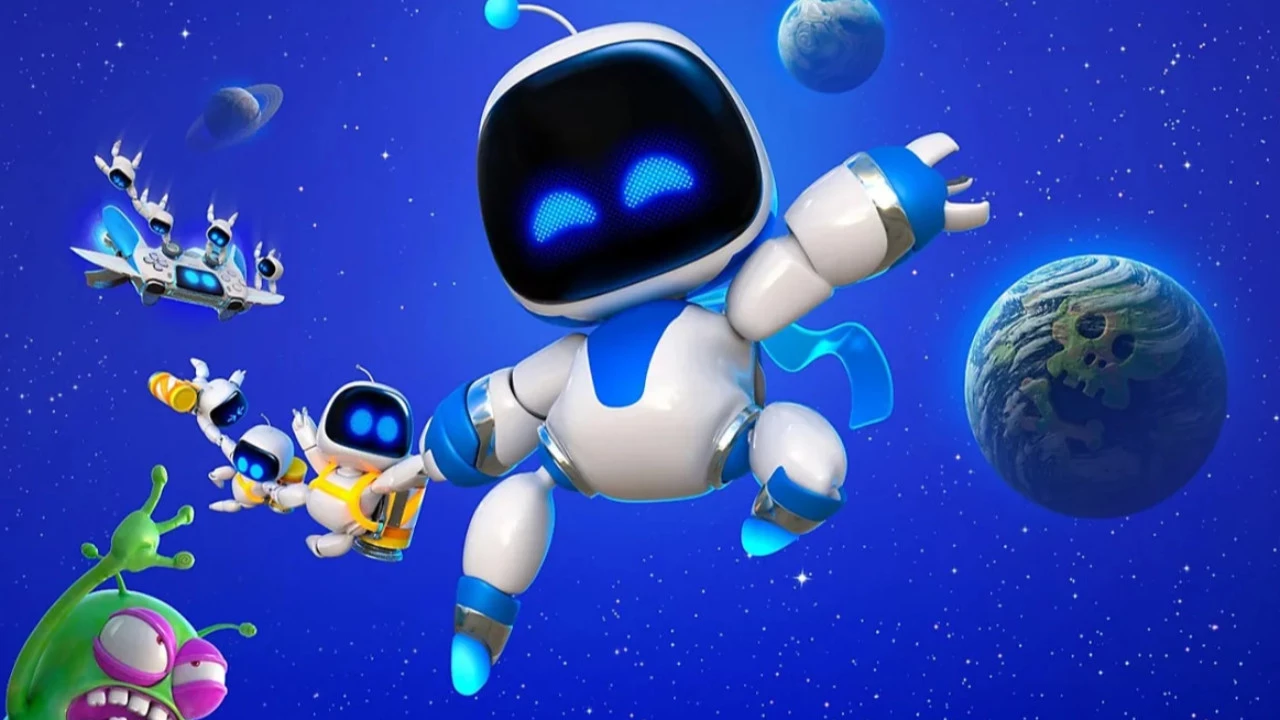
Sony Creative Products has set its sights on an ambitious goal: creating a global mascot character capable of competing with Sanrio’s iconic Hello Kitty in the realms of pop culture and merchandise. The Japanese electronics and entertainment giant has reportedly concluded that its current contender, the charming robot character Astro Bot from PlayStation, lacks the universal appeal and marketability needed to become a true cultural phenomenon on par with the beloved feline character that has dominated the character licensing industry for five decades.
The news highlights a strategic shift within Sony’s creative divisions, as the company seeks to expand its influence beyond gaming and electronics into the highly lucrative character merchandising market. Hello Kitty, created by Sanrio in 1974, generates billions of dollars annually through licensing deals spanning fashion, food, travel, and countless other industries. The character’s success lies in its simplicity, universal appeal, and carefully cultivated brand identity that transcends age groups, cultures, and generations.
The Challenge of Creating Cultural Icons
Creating a mascot character with global appeal is no simple task, as evidenced by the countless attempts by major corporations that have failed to capture public imagination. Sony’s Astro Bot, while beloved by PlayStation gamers and critically acclaimed in its video game appearances, represents a niche appeal that doesn’t easily translate to broader consumer markets. The character first appeared in “The Playroom” for PlayStation 4 in 2013 and later starred in “Astro Bot Rescue Mission” for PlayStation VR, receiving widespread praise from gaming audiences but remaining largely unknown outside the gaming community.
Industry analysts suggest that Sony’s ambitions reflect a broader trend among entertainment companies to develop intellectual properties that can generate revenue across multiple platforms and product categories. Disney, with its vast portfolio of characters from Mickey Mouse to Marvel superheroes, exemplifies this model successfully. However, creating organic character appeal is notoriously difficult, as audiences tend to reject characters that feel overly commercialized or lacking in authentic charm. The most successful mascots often emerge from genuine creative expression rather than corporate strategic planning.
Hello Kitty’s Enduring Global Dominance
To understand Sony’s challenge, one must appreciate the remarkable phenomenon that Hello Kitty represents. Sanrio’s creation has maintained its cultural relevance for half a century, generating an estimated $80 billion in lifetime revenue and appearing on over 50,000 different products in more than 130 countries. The character’s deliberate lack of a mouth — allowing viewers to project their own emotions onto the figure — has been cited as a key factor in its universal appeal. Hello Kitty has collaborated with luxury fashion houses, appeared on commercial aircraft, and even been appointed as a tourism ambassador by the Japanese government.
Sony’s existing intellectual property portfolio, while impressive in gaming circles, has struggled to achieve similar crossover success. Characters like Crash Bandicoot, Ratchet and Clank, and Sackboy from LittleBigPlanet have loyal fan bases but remain primarily associated with video games. The company’s attempt to position Astro Bot as a potential flagship mascot suggests recognition that none of these existing characters possess the qualities necessary for broader market penetration. Creating a new character from scratch, however, carries significant risks and requires substantial investment in brand building and consumer engagement.
Strategic Implications for Sony’s Future
Sony Creative Products, the division spearheading this initiative, operates separately from Sony Interactive Entertainment and focuses specifically on character licensing and merchandise development. This organizational structure suggests the company is taking a systematic approach to character development, potentially drawing on market research and consumer insights rather than relying solely on creative intuition. The success of such an endeavor could open new revenue streams for Sony and reduce its dependence on hardware sales and gaming software in an increasingly competitive market.
The global character licensing market is projected to exceed $350 billion by 2030, making it an attractive target for major corporations seeking diversification. Sony’s move also reflects Japan’s ongoing dominance in this sector, with Japanese characters including Pokemon, Mario, and various anime properties commanding significant market share worldwide. Whether Sony can create a character capable of joining these ranks remains to be seen, but the company’s acknowledgment that Astro Bot isn’t the answer represents an important first step in developing a more targeted strategy for character-based market expansion.
Expert Opinion: Sony’s pursuit of a Hello Kitty competitor signals a fundamental recognition that gaming mascots and universal cultural icons require fundamentally different design philosophies. Success in this arena will likely require Sony to step outside its comfort zone of interactive entertainment and embrace the deliberately simple, emotionally accessible character design that has made Sanrio’s creations timeless. The company may need to acquire existing properties or partner with established character designers rather than attempting to engineer cultural phenomena from within its corporate structure.