
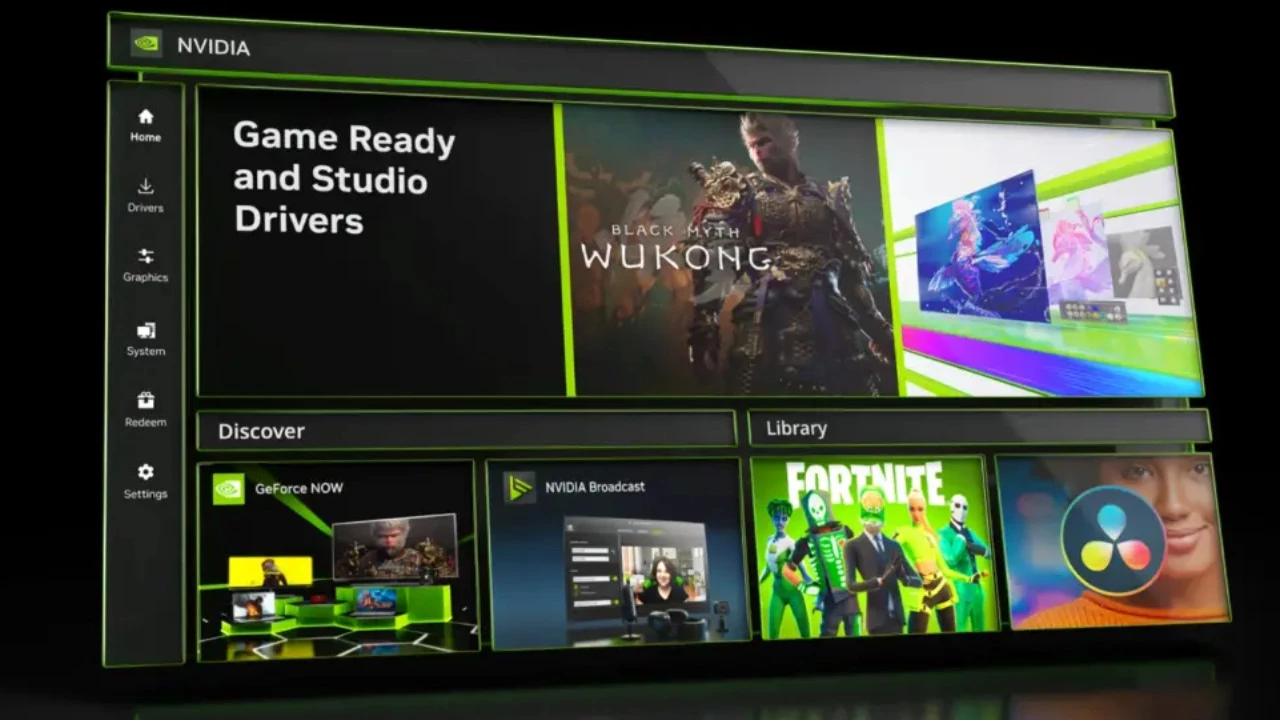
NVIDIA has rolled out a significant update to its flagship NVIDIA App, bringing version 11.0.8 to users worldwide. The headline feature of this release is the introduction of ultra-high frame rate recording capabilities for the company’s popular ShadowPlay gameplay capture function, now supporting an impressive 240 frames per second. This enhancement is exclusively available for owners of the latest RTX 40 series and the newly released RTX 50 series graphics cards, marking another step forward in NVIDIA’s commitment to delivering cutting-edge features for content creators and competitive gamers alike.
Revolutionary Recording Capabilities for Modern Creators
The ability to record gameplay at 240 FPS represents a major leap forward for content creators who demand the highest quality footage for their productions. Traditional recording solutions typically cap out at 60 FPS, which while smooth for most viewing purposes, lacks the flexibility needed for professional slow-motion analysis or cinematic content creation. With 240 FPS recording, creators can now produce buttery-smooth slow-motion sequences at 8x slower speeds while maintaining a fluid 30 FPS playback, or 4x slower while keeping 60 FPS quality. This capability has long been available in dedicated capture cards costing hundreds of dollars, but NVIDIA is now bringing it directly to GPU owners through software alone.
ShadowPlay has been a cornerstone of NVIDIA’s gaming software ecosystem since its introduction in 2013 with the GeForce Experience application. The technology leverages the dedicated NVENC encoder built into NVIDIA graphics cards, allowing for hardware-accelerated video capture with minimal impact on gaming performance. Over the years, ShadowPlay has evolved from a simple recording tool to a comprehensive suite featuring instant replay capabilities, live streaming integration, and screenshot functions with HDR support. The addition of 240 FPS recording continues this evolution, positioning NVIDIA’s solution as a serious competitor to professional capture equipment.
Technical Requirements and Hardware Limitations
The 240 FPS recording feature requires specific hardware to function, with NVIDIA limiting availability to RTX 40 series and RTX 50 series graphics cards. This restriction stems from the enhanced NVENC encoders present in these newer architectures, which feature improved efficiency and additional encoding capabilities compared to previous generations. The Ada Lovelace architecture found in RTX 40 series cards introduced the eighth-generation NVENC encoder with support for AV1 encoding, while the newly launched RTX 50 series based on the Blackwell architecture pushes these capabilities even further. Users with older RTX 30 series or GTX cards will not have access to this feature, though they can continue using standard recording options up to 120 FPS in some cases.
Beyond the graphics card requirement, achieving stable 240 FPS recording demands a capable overall system configuration. Users will need fast storage solutions, preferably NVMe SSDs, to handle the substantial data throughput generated by ultra-high frame rate video files. NVIDIA recommends at least 32GB of system RAM for optimal performance when recording at these extreme frame rates. The resulting video files are considerably larger than traditional recordings, with a single minute of 240 FPS 1080p footage potentially consuming several gigabytes of storage depending on bitrate settings and scene complexity.
Market Impact and Competitive Landscape
This update arrives at a strategically important time for NVIDIA, as the company faces increasing competition in the content creation space from both hardware and software competitors. AMD’s Radeon ReLive offers similar recording functionality for Radeon graphics card users, while third-party solutions like OBS Studio, Bandicam, and Elgato’s capture devices continue to serve the creator community. However, NVIDIA’s integrated approach, combining powerful hardware encoding with user-friendly software, provides a seamless experience that many creators prefer. The 240 FPS capability creates a clear differentiator that competitors will struggle to match without equivalent hardware encoder improvements.
The gaming and esports communities stand to benefit significantly from this advancement. Professional players and coaches can now analyze gameplay at unprecedented detail levels, examining split-second decisions and movements that would be invisible at standard frame rates. Tournament organizers and broadcast producers gain new creative possibilities for highlight reels and slow-motion replays. As competitive gaming continues its explosive growth trajectory, with the global esports market expected to exceed $2 billion by 2025, tools that enhance content quality become increasingly valuable. NVIDIA’s continued investment in creator-focused features demonstrates the company’s recognition that modern graphics cards serve purposes far beyond simply rendering games.
Expert Opinion: This 240 FPS recording capability signals NVIDIA’s strategic pivot toward positioning GPUs as comprehensive content creation platforms rather than pure gaming hardware. As the creator economy continues expanding, expect both NVIDIA and AMD to accelerate development of software features that justify premium GPU pricing beyond raw performance metrics. This move also creates additional lock-in for the NVIDIA ecosystem, making it harder for professional creators to switch to competing platforms.