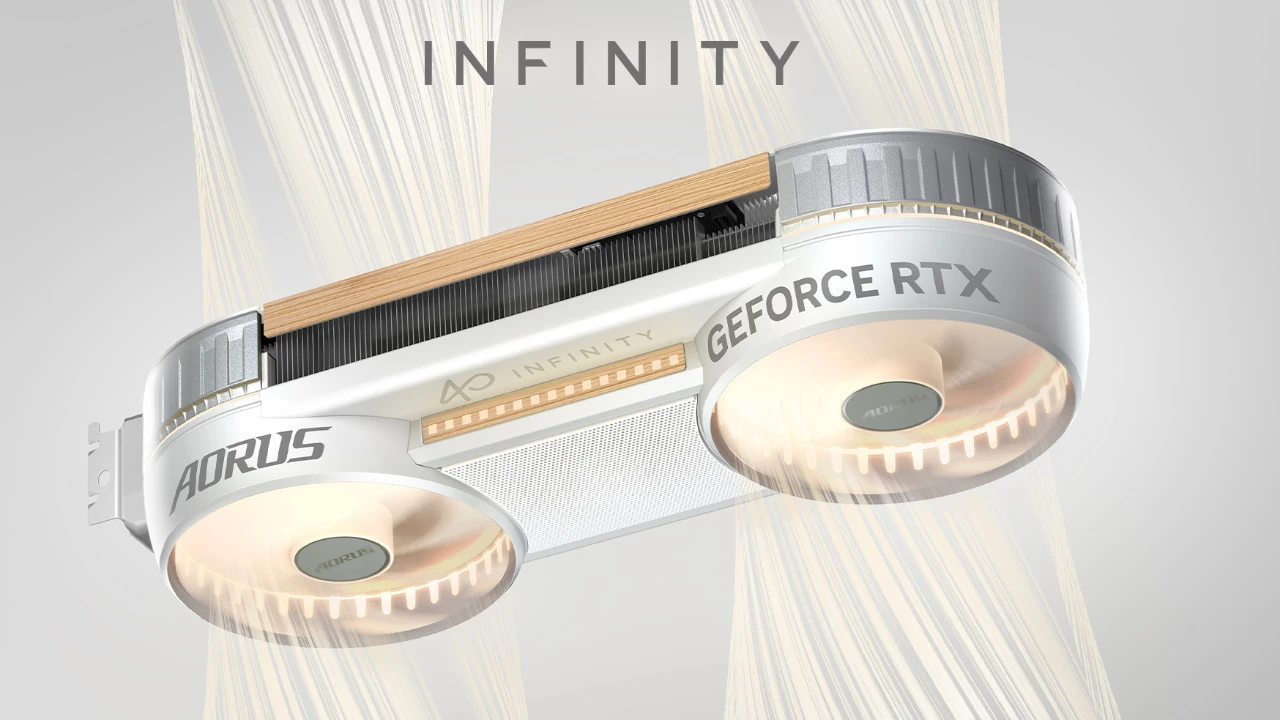
A recent teardown of the Gigabyte AORUS GeForce RTX 5080 Infinity Wood graphics card has revealed some remarkably unconventional engineering decisions by the manufacturer. Enthusiasts from the Chinese tech community Chiphell conducted a detailed disassembly of this high-end graphics card, exposing a printed circuit board design that has sparked intense discussion among hardware enthusiasts worldwide. The discovery highlights how modern GPU manufacturers are pushing the boundaries of traditional graphics card architecture to achieve better thermal performance and aesthetic appeal.
Revolutionary PCB Design with Giant Cutout
The most striking feature discovered during the teardown is an enormous cutout in the printed circuit board itself. This unconventional design choice represents a significant departure from traditional GPU PCB layouts, where manufacturers typically maximize board space for power delivery components, memory chips, and supporting circuitry. The massive void in the PCB serves a specific purpose: it allows for improved airflow directly through the card’s cooling solution, enabling heat to dissipate more efficiently from the GPU die and surrounding components. This engineering approach demonstrates Gigabyte’s willingness to sacrifice conventional PCB real estate in favor of enhanced thermal management capabilities.
The AORUS RTX 5080 Infinity Wood is part of NVIDIA’s latest generation of graphics cards based on the Blackwell architecture. The RTX 5080 positions itself as a high-performance option for gamers and content creators who demand exceptional performance without stepping up to the flagship RTX 5090. With 10,752 CUDA cores, 16GB of GDDR7 memory, and support for NVIDIA’s latest DLSS 4 technology with Frame Generation, the card represents a significant leap in performance capabilities. Gigabyte’s decision to implement such radical cooling solutions suggests the company is targeting enthusiasts who prioritize both performance and thermal efficiency.
Engineering Innovation in Modern GPU Design
The teardown reveals that Gigabyte has invested heavily in the cooling infrastructure surrounding this unique PCB design. The AORUS Infinity Wood series features premium materials and construction, including the distinctive wood-textured aesthetic elements that give the card its name. Multiple heat pipes, a substantial heatsink array, and carefully designed fan configurations work in concert to manage the considerable thermal output of the RTX 5080 GPU. Industry analysts note that as graphics cards continue to consume more power—with high-end models now regularly exceeding 300 watts—manufacturers must develop increasingly creative solutions to thermal management challenges.
Historical context shows that GPU manufacturers have experimented with various approaches to cooling over the years. Early graphics cards relied on passive heatsinks, while subsequent generations introduced active cooling with fans. More recent innovations have included vapor chamber technology, liquid cooling integration, and now structural PCB modifications like the cutout seen in the AORUS RTX 5080 Infinity. This progression reflects the industry’s ongoing battle against thermal constraints as semiconductor performance continues to advance. The Chiphell community’s detailed analysis provides valuable insights into how premium graphics card manufacturers differentiate their products in an increasingly competitive market segment.
Market Implications and Consumer Considerations
The AORUS RTX 5080 Infinity Wood represents the premium tier of aftermarket graphics cards, commanding a significant price premium over reference designs and standard partner cards. For enthusiasts considering this option, the teardown provides crucial information about build quality and engineering decisions that justify the higher cost. The unconventional PCB design, while impressive from an engineering standpoint, may raise questions about long-term reliability and repair options. However, Gigabyte’s reputation for quality construction and comprehensive warranty coverage should provide reassurance to potential buyers. As the graphics card market continues to evolve, such innovative designs may become more common as manufacturers seek new ways to extract maximum performance from increasingly powerful GPU architectures while maintaining acceptable noise levels and thermal performance.
Expert Opinion: The adoption of radical PCB cutout designs in premium graphics cards signals a pivotal shift in GPU engineering philosophy, where thermal efficiency now takes precedence over traditional component density. As next-generation GPUs push power consumption even higher, we can expect other manufacturers to follow Gigabyte’s lead with similarly unconventional approaches. This trend suggests that the graphics card market is entering an era where cooling innovation will be as critical as silicon improvements in determining product success.