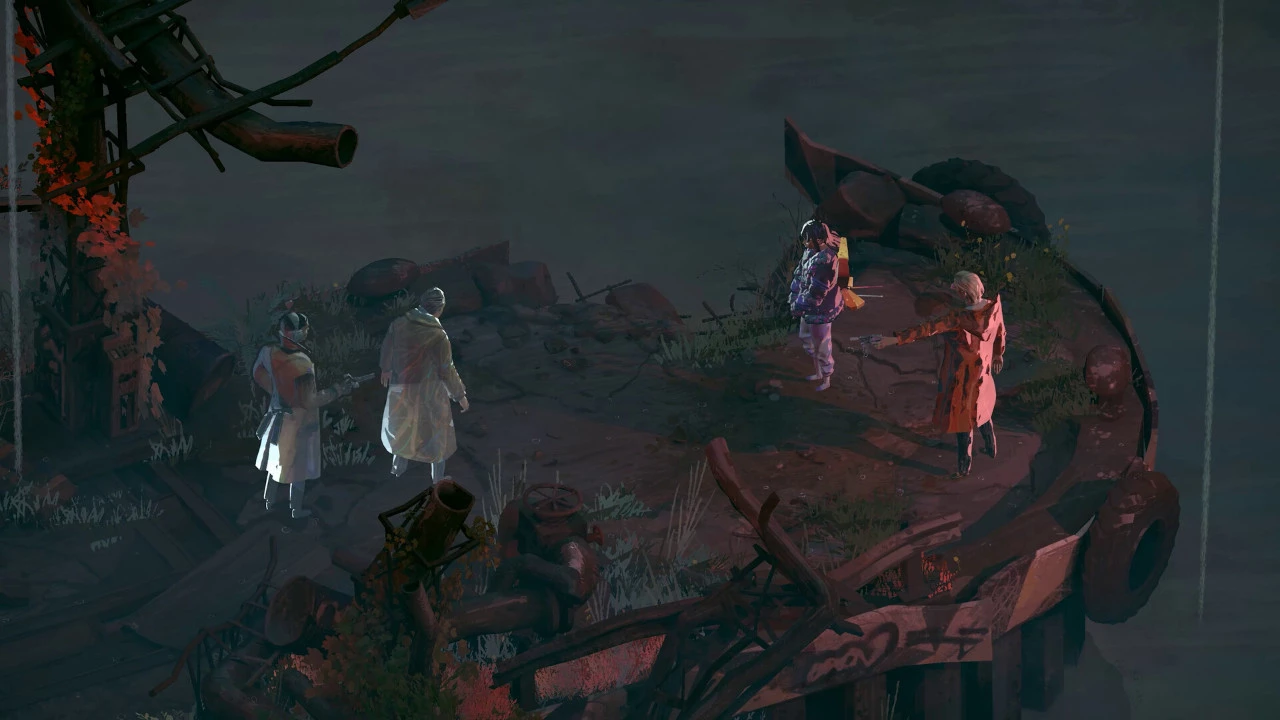
ZA/UM, the Estonian studio behind the critically acclaimed Disco Elysium, has announced significant workforce reductions following disappointing sales of their latest release, Zero Parades: For Dead Spies. The news marks a dramatic turn for a developer that once stood at the pinnacle of indie gaming success, raising serious questions about the commercial viability of artistically ambitious projects in today’s gaming market.
The announcement sent shockwaves through the gaming community, as ZA/UM had built a reputation for pushing creative boundaries in the role-playing genre. Zero Parades: For Dead Spies, which launched to modest critical reception but underwhelming commercial performance, appears to have failed to replicate the lightning-in-a-bottle success that made Disco Elysium a household name among gaming enthusiasts. While exact layoff numbers have not been publicly disclosed, industry sources suggest the cuts may affect a substantial portion of the studio’s workforce.
The Rise and Turbulent Times of ZA/UM
ZA/UM burst onto the scene in 2019 with Disco Elysium, a groundbreaking role-playing game that eschewed traditional combat mechanics in favor of deep narrative exploration and psychological complexity. The game earned numerous Game of the Year awards and was praised for its literary qualities, innovative dialogue systems, and unflinching examination of political ideologies. Built on years of development by a passionate team of writers, artists, and designers, Disco Elysium sold millions of copies and established ZA/UM as a beacon of creative integrity in an industry often criticized for playing it safe.
However, the studio’s journey since that triumph has been anything but smooth. In 2022 and 2023, ZA/UM faced significant internal turmoil when several founding members, including lead designer Robert Kurvitz and art director Aleksander Rostov, departed under contentious circumstances. Legal disputes emerged regarding intellectual property rights and the creative direction of the studio, creating uncertainty about whether ZA/UM could recapture the magic that made their debut so special. The departure of key creative voices left many fans wondering if the studio’s unique identity could survive such upheaval.
The Harsh Economics of Artistic Vision
The failure of Zero Parades: For Dead Spies highlights a persistent tension in the gaming industry between artistic ambition and commercial sustainability. While players and critics often celebrate games that take creative risks, the economic reality is that such projects frequently struggle to find audiences large enough to sustain development studios. The so-called “AA” space—games with budgets larger than typical indies but smaller than blockbuster releases—has proven particularly treacherous, with numerous studios facing closures or downsizing in recent years.
Industry analysts have noted that the current gaming market presents unprecedented challenges for mid-sized developers. Rising development costs, platform saturation, and changing consumer habits have created an environment where even quality releases can fail to achieve financial viability. The success of a game like Disco Elysium, which managed to break through the noise and capture widespread attention, increasingly appears to be the exception rather than the rule. For every indie darling that achieves mainstream recognition, dozens of worthy projects fade into obscurity.
What This Means for the Future of Creative Gaming
The ZA/UM layoffs arrive at a particularly difficult moment for the gaming industry, which has seen tens of thousands of job cuts since 2023 across companies of all sizes. From major publishers like Microsoft and Sony to beloved independent studios, no corner of the industry has been immune to the ongoing contraction. For developers who prioritize artistic vision over mass-market appeal, the message seems increasingly clear: innovation carries substantial financial risk.
Despite these challenges, some industry observers remain cautiously optimistic about the future of creative gaming. Platforms like itch.io and alternative distribution channels continue to provide outlets for experimental work, while the success of recent indie hits demonstrates that audiences still hunger for unique experiences. However, the question of how to sustain studios capable of producing ambitious, long-form projects like Disco Elysium remains unanswered. As for ZA/UM, the studio has indicated it will continue operations with a reduced team, though what form future projects might take remains uncertain.
Expert Opinion: The ZA/UM situation illustrates a growing crisis in mid-tier game development where studios must either scale down to sustainable indie sizes or secure significant publishing support for ambitious projects. The industry may be entering a period of consolidation where artistically risky games become increasingly dependent on patronage models, subscription services, or major publisher backing rather than traditional sales. Studios looking to replicate Disco Elysium’s success should prepare for the possibility that lightning rarely strikes twice in the same place.