NVIDIA’s ambitious venture into the consumer laptop processor market has encountered its first significant hurdle. The company’s debut ARM-based chip, developed under the codename RTX Spark, has reportedly delivered underwhelming performance in multi-threaded benchmark tests, raising questions about whether the graphics giant can successfully compete in the highly competitive CPU space dominated by Intel, AMD, and Apple.
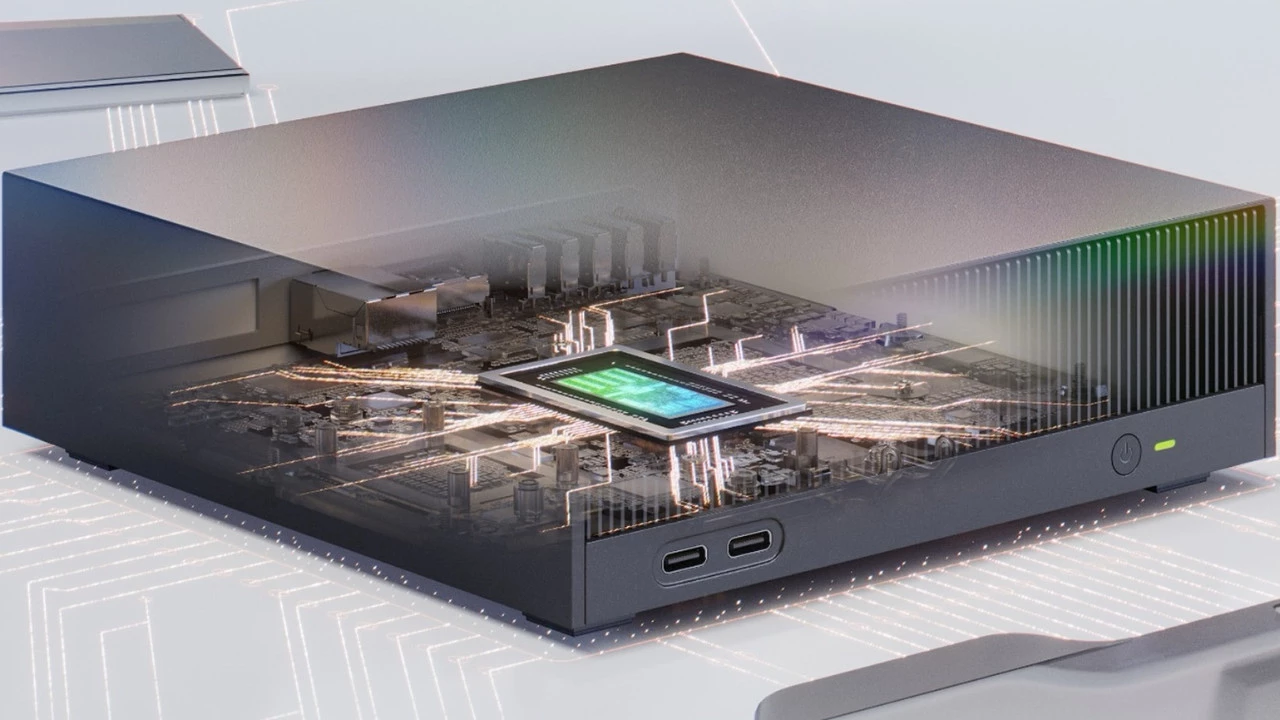
The RTX Spark represents NVIDIA’s first serious attempt to create a complete system-on-chip solution for consumer notebooks, combining its renowned GPU expertise with ARM-based CPU cores. However, early Cinebench 2026 benchmark results have revealed that the chip struggles to keep pace with established competitors when handling parallel workloads, a critical metric for modern productivity applications and content creation tasks.
The Challenge of Multi-Threaded Performance
Cinebench 2026, the latest iteration of Maxon’s industry-standard rendering benchmark, has become the go-to tool for evaluating processor performance in real-world creative workloads. The test pushes CPUs to their limits by rendering complex 3D scenes, with multi-threaded scores reflecting how well a processor can distribute tasks across multiple cores simultaneously. According to leaked benchmark data, the RTX Spark’s multi-threaded performance falls noticeably behind current-generation offerings from Apple’s M-series, AMD’s Ryzen processors, and Intel’s Core Ultra lineup.
This performance gap is particularly concerning because NVIDIA had positioned the RTX Spark as a premium solution for creative professionals and power users. The company’s expertise in parallel computing through its CUDA architecture has made its GPUs legendary for tasks like video editing, 3D rendering, and machine learning. However, translating that success to CPU design presents entirely different engineering challenges, including efficient core scheduling, cache management, and power optimization across diverse workloads.
NVIDIA’s Strategic Pivot to ARM Architecture
NVIDIA’s decision to pursue ARM-based processors for consumer devices follows a broader industry trend away from traditional x86 architecture. Apple’s successful transition to its own ARM-based M-series chips demonstrated that ARM processors could deliver exceptional performance and efficiency for laptop and desktop applications. Microsoft’s continued investment in Windows on ARM has further validated this approach, creating an ecosystem where ARM-based Windows devices are becoming increasingly viable.
The company is no stranger to ARM technology, having produced Tegra processors for mobile devices and the Nintendo Switch gaming console for years. NVIDIA also acquired ARM Holdings in a deal initially valued at $40 billion, though this acquisition was ultimately blocked by regulators in 2022 due to competition concerns. Despite this setback, NVIDIA retained significant ARM licensing agreements and continued developing ARM-based solutions for various markets, including data centers with its Grace CPU and now consumer notebooks with RTX Spark.
Industry Context and Competitive Landscape
The consumer laptop processor market has become increasingly competitive in recent years. Apple’s M3 and M4 chips have set new standards for performance-per-watt efficiency, while Qualcomm’s Snapdragon X Elite processors have brought ARM-based computing to Windows devices with promising results. Intel and AMD continue to refine their x86 offerings, with both companies making significant strides in power efficiency while maintaining strong multi-threaded performance.
For NVIDIA, entering this crowded market was always going to be challenging. The company must not only match competitors on raw CPU performance but also leverage its graphics expertise to create a compelling integrated solution. The RTX Spark’s integrated GPU capabilities remain a potential differentiator, as NVIDIA’s graphics technology is widely regarded as industry-leading. However, if the CPU component cannot deliver competitive performance, the overall package may struggle to attract buyers who have numerous excellent alternatives available.
Looking Ahead: Can NVIDIA Course-Correct?
Despite these early setbacks, it would be premature to write off NVIDIA’s consumer processor ambitions entirely. First-generation products often face performance challenges that subsequent iterations can address. Apple’s original M1 chip, while impressive, has been significantly improved in subsequent generations. Similarly, NVIDIA may use feedback from RTX Spark to refine future designs, potentially addressing the multi-threaded performance concerns through improved core architecture or more aggressive clock speeds.
The company’s vast resources and engineering talent provide a strong foundation for iteration and improvement. NVIDIA generated over $60 billion in revenue in fiscal 2024, giving it substantial financial runway to invest in processor development. Additionally, the company’s deep expertise in software optimization, particularly driver development and CUDA ecosystem support, could eventually help the RTX Spark platform mature into a competitive offering if NVIDIA commits to long-term development.
Expert Opinion: While initial benchmark results may seem discouraging, NVIDIA’s entry into the consumer CPU market should be viewed as a long-term strategic play rather than a single-generation effort. The company’s unparalleled graphics expertise and software ecosystem could eventually create compelling hybrid CPU-GPU solutions that differentiate from pure CPU performance metrics. Expect NVIDIA to iterate rapidly, potentially delivering a significantly improved second-generation RTX Spark within 18-24 months that better balances multi-threaded CPU performance with their graphics leadership.