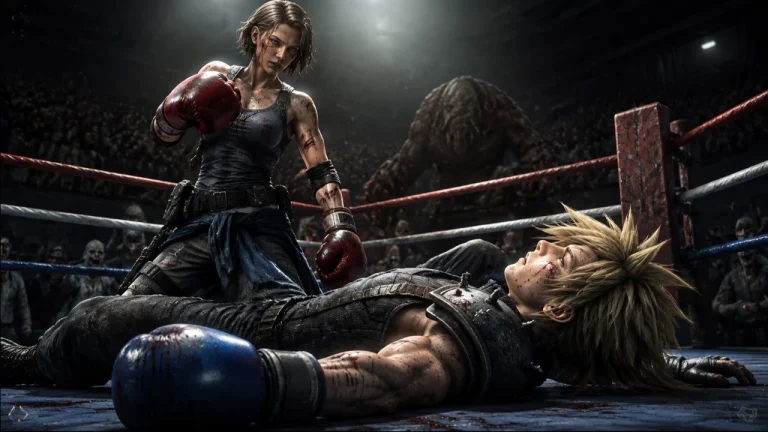

The gaming industry finds itself embroiled in yet another controversy surrounding executive compensation, as Electronic Arts CEO Andrew Wilson has reportedly received a substantial $38 million bonus following the success of the Battlefield franchise. This windfall comes at a particularly sensitive time, as the company has simultaneously been reducing its workforce, including developers who worked on Battlefield 6. The stark contrast between executive rewards and employee layoffs has reignited fierce debates across the internet about corporate priorities in the video game industry.
The situation at EA reflects a broader pattern that has become increasingly common across the gaming sector in recent years. Major publishers have consistently reported record profits while simultaneously announcing significant workforce reductions. This practice has drawn criticism from industry analysts, gaming communities, and labor advocates who question whether such disparities in treatment are sustainable or ethical. Wilson’s bonus package represents one of the most substantial executive payouts in recent gaming industry history, raising questions about how success is measured and rewarded at major gaming corporations.
The Business of Battlefield and EA’s Financial Performance
Electronic Arts has long been one of the world’s largest and most influential video game publishers, with a portfolio that includes blockbuster franchises such as FIFA (now EA Sports FC), Madden NFL, The Sims, and Battlefield. The Battlefield series, developed by DICE, has been a cornerstone of EA’s shooter game offerings since its debut in 2002. The franchise has sold tens of millions of copies worldwide and generates significant revenue through both initial sales and ongoing live service elements. The anticipation surrounding Battlefield 6 has been considerable, as the series looks to bounce back from the mixed reception of previous entries.
Andrew Wilson has served as CEO of Electronic Arts since 2013, guiding the company through a transformative period that saw the rise of live service games, microtransactions, and subscription-based gaming models like EA Play. Under his leadership, EA has consistently reported strong financial results, with annual revenues frequently exceeding $7 billion. However, Wilson’s compensation packages have regularly attracted scrutiny, with his total earnings often placing him among the highest-paid executives in the entire entertainment industry, not just gaming.
Industry-Wide Layoffs and Worker Concerns
The gaming industry has experienced unprecedented turbulence in terms of employment over the past two years. Since late 2022, major publishers including Microsoft, Sony, Ubisoft, Embracer Group, and EA have collectively laid off tens of thousands of employees. These cuts have affected developers, artists, quality assurance testers, marketing professionals, and support staff across the industry. EA specifically announced multiple rounds of layoffs in 2023 and 2024, affecting hundreds of workers across various studios and departments. Many of those affected were talented developers who had contributed directly to the games generating the profits that fund executive bonuses.
Critics argue that these layoffs often occur not because companies are struggling financially, but rather as cost-cutting measures designed to maximize shareholder returns and maintain profit margins. The juxtaposition of massive executive bonuses with worker layoffs has fueled growing calls for unionization within the gaming industry. Organizations like the Game Workers Alliance and various international game worker unions have pointed to situations like Wilson’s bonus as evidence that the industry’s current corporate structure prioritizes executive wealth over worker stability and fair compensation.
Public Reaction and the Broader Debate
Online gaming communities have responded to news of Wilson’s bonus with predictable outrage, with discussions spreading across platforms like Reddit, Twitter, and gaming forums. Many commenters have drawn comparisons to similar situations at other major publishers, noting that this pattern of executive enrichment amid workforce reduction has become disturbingly normalized in the industry. Some have called for boycotts of EA products, though historically such consumer actions have had limited impact on major publishers’ bottom lines. Others have used the situation to advocate for stronger labor protections and greater transparency in corporate compensation structures.
Industry analysts offer mixed perspectives on the situation. Some argue that executive compensation tied to company performance is standard corporate practice and that Wilson has genuinely delivered value to shareholders during his tenure. Others contend that the extreme disparity between executive and worker treatment represents a fundamental problem with how the gaming industry values different types of contributions. The debate ultimately touches on larger questions about corporate responsibility, income inequality, and the sustainability of current business models in creative industries where worker passion is often exploited.
Expert Opinion: The gaming industry’s compensation disparities are reaching a critical inflection point that could fundamentally reshape labor relations in the sector. As worker organization efforts accelerate and public awareness grows, companies like EA may soon face pressure to demonstrate more equitable distribution of profits generated through collective creative effort. The coming years will likely determine whether the industry course-corrects or faces more significant regulatory and reputational consequences.