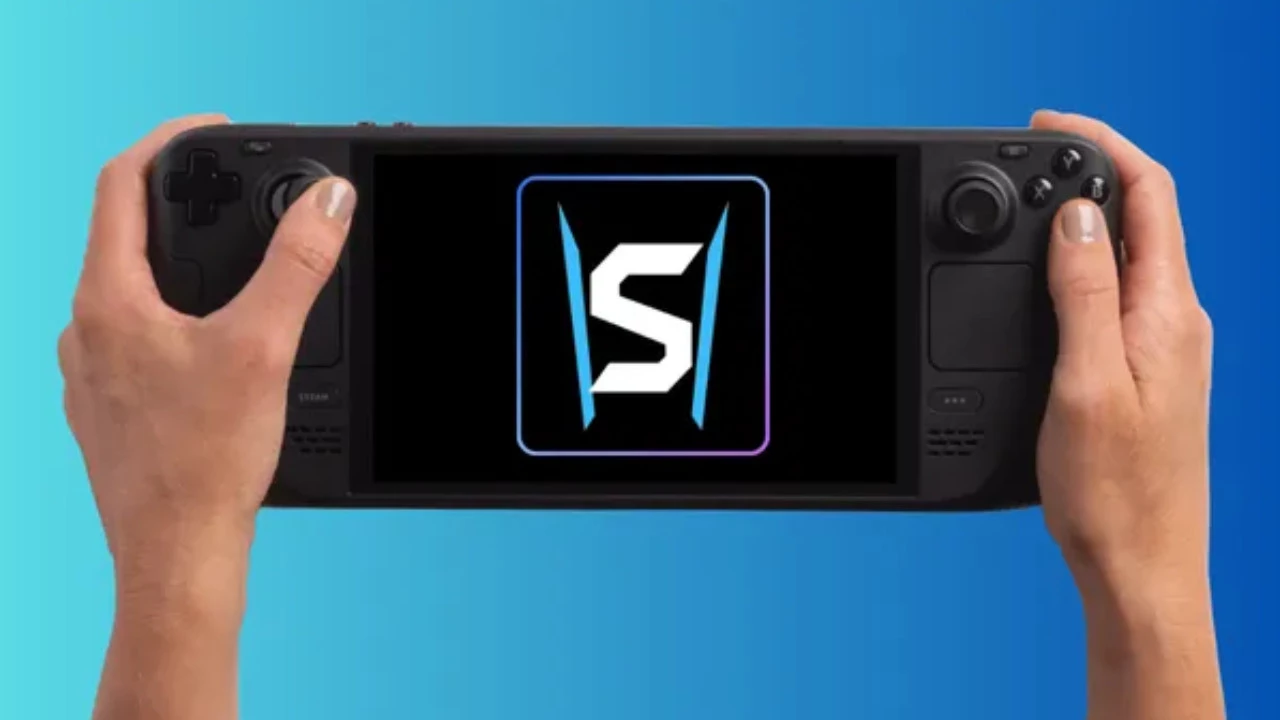
The emulation community has achieved another significant milestone in the ongoing pursuit of cross-platform gaming accessibility. For the first time ever, enthusiasts have successfully launched a current-generation PlayStation 5 exclusive game directly on Valve’s portable gaming PC, the Steam Deck. The game in question is Astro’s Playroom, Sony’s charming platformer that comes pre-installed on every PS5 console, and it was running through an open-source PlayStation 5 emulator called SharpEmu. This breakthrough represents a major step forward in the complex world of console emulation and demonstrates the remarkable capabilities of handheld PC hardware.
The achievement is particularly noteworthy given that the PlayStation 5 only launched in November 2020, making it one of the fastest turnarounds in emulation history. Traditional console emulation typically takes many years or even decades to reach playable states. For context, reliable PlayStation 3 emulation through RPCS3 took over a decade of development before many games became playable with acceptable performance. The PS5’s relatively modern architecture, based on AMD’s Zen 2 CPU cores and RDNA 2 graphics, presents both challenges and opportunities for emulator developers working to reverse-engineer Sony’s proprietary software environment.
The Technical Challenge of PS5 Emulation
Emulating a PlayStation 5 is an enormously complex undertaking that requires recreating the console’s entire operating system environment, security protocols, and hardware-level functions in software. The PS5 features a custom 8-core AMD Zen 2 processor clocked at up to 3.5 GHz, a powerful RDNA 2 GPU capable of 10.28 teraflops, and an ultra-fast SSD with speeds reaching 5.5 GB/s. Replicating these specifications in software while running on different hardware demands exceptional optimization and deep understanding of both the source and target platforms. SharpEmu, the emulator used for this demonstration, is an open-source project that has been quietly progressing in development circles.
The Steam Deck itself is powered by a custom AMD APU featuring Zen 2 CPU cores and RDNA 2 graphics architecture, which shares fundamental similarities with the PS5’s internal components. This architectural overlap likely contributed to the successful emulation attempt, as the underlying instruction sets and graphics capabilities have some common ground. However, the Steam Deck’s hardware is significantly less powerful than the PS5, with its GPU delivering only about 1.6 teraflops compared to the console’s 10.28 teraflops. This massive performance gap means that only relatively simple games like Astro’s Playroom, which was designed to showcase the PS5’s DualSense controller features rather than push graphical boundaries, are currently feasible for emulation.
Historical Context and Legal Considerations
The history of console emulation stretches back decades, with landmark legal battles establishing that emulators themselves are legal as long as they are developed through clean-room reverse engineering. The famous Sony v. Connectix case in 2000 affirmed that creating emulation software does not inherently violate copyright law. However, using emulators with pirated game files remains illegal, and the emulation community consistently emphasizes that users should only play games they legally own. This latest PS5 emulation breakthrough will inevitably raise questions about intellectual property protection and the future of platform exclusivity as a business model for console manufacturers.
Sony has historically taken aggressive legal action against emulation projects, most notably in 2022 when they acquired the patents and technology from the defunct emulator service behind Bleem!, an early PlayStation emulator. More recently, Sony’s actions against various ROM distribution websites have demonstrated their continued vigilance in protecting their intellectual property. The emergence of functional PS5 emulation while the console is still in its commercial prime could potentially prompt new legal responses from the Japanese gaming giant, though the open-source and distributed nature of projects like SharpEmu makes them difficult to suppress entirely.
Implications for Gaming’s Future
This development has significant implications for the gaming industry and the concept of hardware exclusivity. Console manufacturers like Sony invest billions of dollars in exclusive game development specifically to drive hardware sales. If emulation technology continues advancing at this pace, the traditional model of selling consoles at a loss while recouping profits through game sales and subscription services could face disruption. However, it’s important to note that current PS5 emulation is extremely limited, with only basic games showing any functionality, and performance is far from retail-ready. Most AAA titles remain completely unplayable, and it could take years before emulation reaches practical usability for mainstream users.
For the Steam Deck community, this milestone represents another testament to the device’s versatility and the ingenuity of the open-source development community. Since its launch in February 2022, the Steam Deck has become a favorite platform for tinkerers and enthusiasts who appreciate its open nature and Linux-based operating system. From running Windows games through Proton compatibility layers to emulating classic consoles, the device has proven remarkably adaptable. This first successful PS5 game demonstration, while still in primitive stages, suggests that the boundaries of portable gaming will continue expanding in unexpected directions.
Expert Opinion: While this PS5 emulation breakthrough is technically impressive, practical mainstream adoption remains years away. The enormous performance gap between the Steam Deck and PS5 means only the simplest titles will function, and Sony will likely increase their anti-emulation measures in future firmware updates. Nevertheless, this development signals that current-generation console emulation is progressing faster than ever before, potentially reshaping how we think about platform exclusivity and game preservation in the long term.