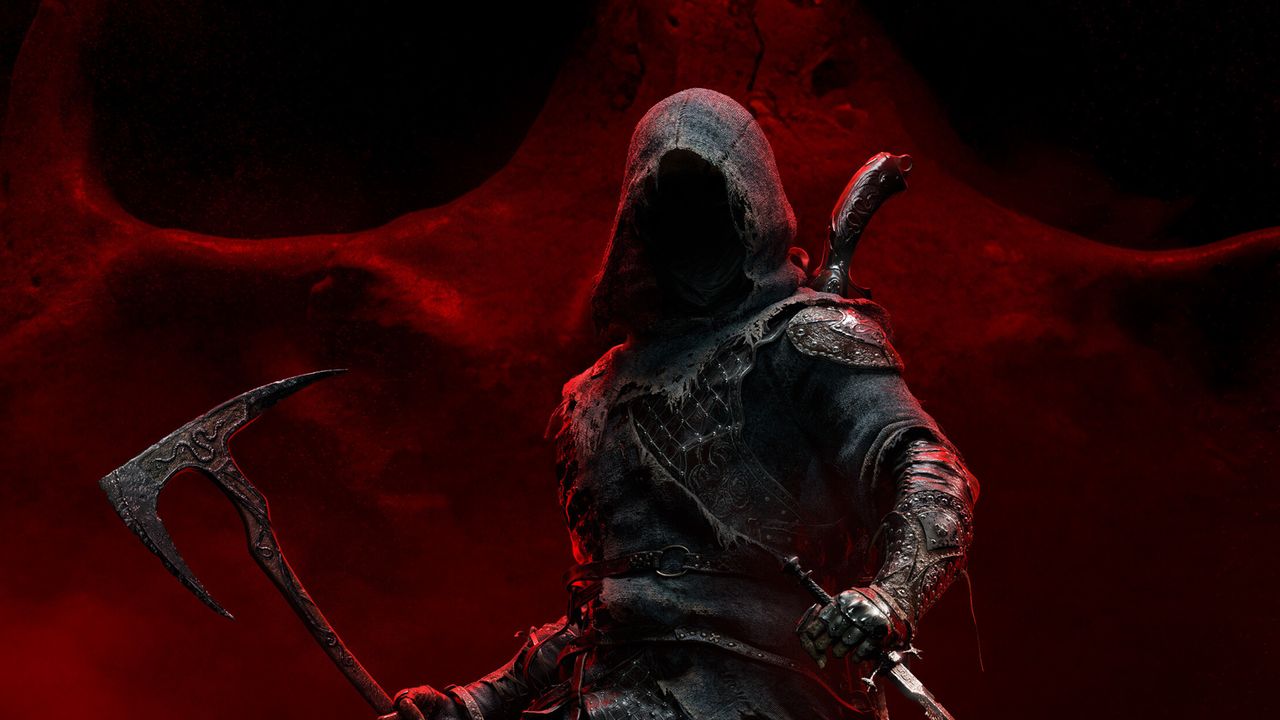
Mortal Shell 2 emerges as a triumphant sequel that addresses virtually every criticism leveled at its predecessor while carving out a distinctive identity in the crowded Soulslike genre. Developed by Cold Symmetry and published by Playstack, this dark fantasy action RPG follows a mysterious, otherworldly creature capable of possessing special corpses known as “mortal shells” to access their memories and unique abilities. While the premise sounds bizarre enough on paper, the execution delivers one of the most satisfying experiences the genre has seen since FromSoftware’s monumental Elden Ring reshaped expectations for open-world action RPGs.
The Soulslike genre has exploded in popularity since Dark Souls first captivated players in 2011, spawning countless imitators and innovators alike. From Nioh’s samurai-inspired combat to Lies of P’s Pinocchio-themed nightmare, developers have continually searched for ways to iterate on FromSoftware’s punishing formula. The original Mortal Shell, released in 2020, earned praise for its ambitious world-building and unique shell-swapping mechanics but drew criticism for its glacial movement speed and limited scope. Cold Symmetry has clearly listened to feedback, delivering a sequel that transforms the experience from a methodical crawl into an exhilarating dance of death.
A Revolutionary Approach to Movement and Stamina
Perhaps the most dramatic change in Mortal Shell 2 is the complete overhaul of its movement system. Where the original game forced players to trudge through its twisted landscapes at an almost torturously slow pace, the sequel unleashes players like a sports car on an open highway. The controversial decision to eliminate stamina management entirely represents a bold departure from Soulslike conventions. Players can now dodge, attack, and sprint without constantly monitoring an energy bar, creating a fundamentally different rhythm to combat encounters. Soulslike purists may view this as heresy, but the change gives Mortal Shell 2 a unique identity that sets it apart from the countless Dark Souls clones flooding the market.
This increased speed pairs beautifully with the game’s willingness to embrace both its serious narrative ambitions and its more playful impulses. The world contains genuinely surprising moments of levity, from a library filled with homicidal books launching themselves at players to a wizard boss who manipulates the game’s actual control scheme during battle. The opening sequence even features a clever riff on Ari Aster’s unsettling folk horror film Midsommar, demonstrating the developers’ willingness to draw inspiration from unexpected sources. This tonal variety keeps players engaged and curious about what bizarre encounter might lurk around the next corner.
The Resolve System and Combat Depth
Replacing stamina management is the new resolve system, which functions as fuel for the game’s extensive combat toolkit. Players build resolve through successful melee strikes, then spend it to unleash devastating special attacks or apply status effects like poison to their weapons. The addition of firearms adds another layer of tactical consideration, giving players ranged options that complement their melee capabilities. Equipable tarstones scattered throughout the world unlock new abilities and upgrades, creating meaningful reasons to explore every hidden alcove and treacherous pathway.
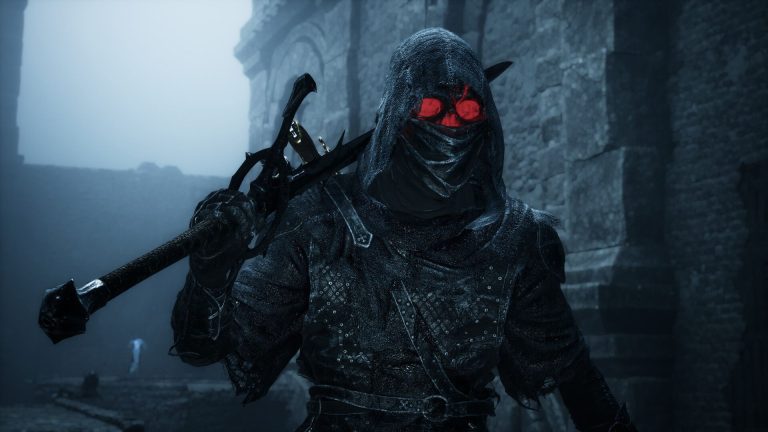
The mortal shells themselves serve as both character classes and narrative devices, each offering distinct playstyles and backstories. One shell excels at stealth, perfect for retreating through dangerous areas to recover lost experience points. Another boasts heavy armor capable of tanking multiple enemies simultaneously, while a more disturbing option restores health by consuming human hearts. As players upgrade these shells, they unlock playable flashback sequences that reveal micro-dramas with surreal twists, including a memorable encounter with a giant bottle symbolizing alcoholism. The shell system encourages experimentation and provides excellent motivation for thorough exploration of the game’s substantial, if not quite Elden Ring-sized, world.
Visual Excellence and Camera Concerns
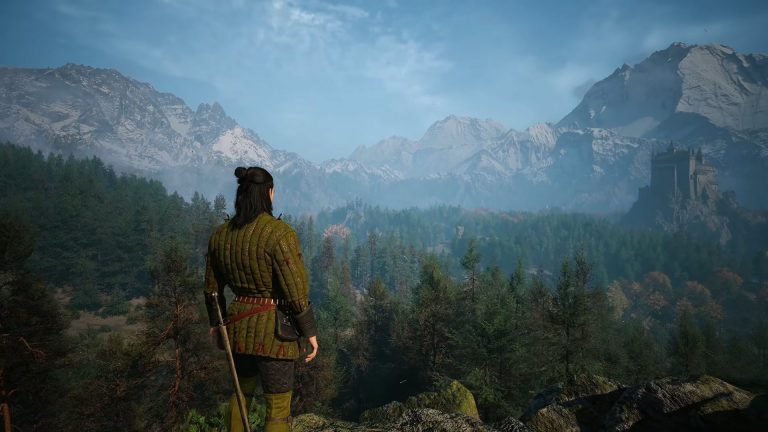
Mortal Shell 2 is a visual powerhouse, with frequent black-and-white sections creating stunning artistic moments that could warrant an entire game committed to that aesthetic. The camera system, clearly inspired by the recent God of War titles, pulls in close to the action, creating an intimate and visually dramatic experience. This cinematic approach frames the game’s gorgeous environments and brutal combat encounters with impressive flair, making even standard enemy encounters feel momentous and impactful.
However, this camera choice comes with familiar drawbacks. Like its God of War inspiration, the game must rely on red indicators to alert players to off-screen threats. More problematically, the camera occasionally panics when players are cornered or positioned too close to walls, offering unhelpful angles during critical combat moments. While these incidents don’t occur constantly, they happen frequently enough that some players may prefer switching to a less cinematic but more functional viewing option available in the settings. It’s a trade-off between visual spectacle and practical clarity that each player must decide for themselves.
Balance Issues and Difficulty Considerations
The game’s most significant weakness lies in its occasionally over-generous power scaling. Certain tarstone combinations can trivialize even the most challenging encounters. One particularly devastating ability allows players to leap into the air, crash down on enemies for massive damage, build stagger to enable finishing moves, and remain completely invulnerable while airborne. Fully upgraded, this single ability can break the game’s difficulty curve entirely. While dedicated players can self-impose restrictions by avoiding overpowered builds, it’s frustrating to invest significant resources into upgrades only to discover they’ve eliminated any meaningful challenge.
For players seeking additional difficulty, an NPC can transform the world into a nightfall state that strengthens enemies and improves loot drops. Unfortunately, navigating the game’s cliff-laden landscapes in near-darkness proves more frustrating than exciting, transforming legitimate challenge into tedious visibility struggles. The better solution for maintaining engagement is frequently swapping between different shells and weapons, preventing any single build from becoming too dominant. A future balance patch could address these concerns, but for now, players seeking consistent challenge may need to exercise self-discipline in their build choices. Despite these criticisms, Mortal Shell 2 earns its recommendation as one of the finest Soulslikes since Elden Ring, offering a bizarre, surprisingly humorous, and beautifully crafted experience that demonstrates Cold Symmetry’s growth as a studio and their understanding of what makes this genre so compelling.
Expert Opinion: Mortal Shell 2 represents a significant maturation for Cold Symmetry, demonstrating that smaller studios can meaningfully innovate within the Soulslike formula rather than simply replicating FromSoftware’s approach. The decision to eliminate stamina management, while controversial, may influence future genre entries as developers seek to differentiate their offerings in an increasingly crowded market. With targeted balance patches addressing the overpowered ability combinations, this sequel could establish itself as the gold standard for non-FromSoftware Soulslikes.