The gaming industry finds itself navigating turbulent waters as console hardware costs continue their upward trajectory, driven by a perfect storm of global RAM shortages, escalating trade tensions, and the insatiable demand for components from artificial intelligence data centers. Yet despite these mounting pressures, Unity Technologies CEO Matthew Bromberg maintains an optimistic outlook on the future of console gaming, predicting that current challenges are merely temporary obstacles on the path to an unprecedented era of gaming excellence.
Bromberg’s perspective carries significant weight in the industry, though it must be viewed through the lens of his position at the helm of a publicly traded company responsible for one of the world’s most widely adopted game development engines. Unity powers thousands of games across all platforms, giving Bromberg unique insight into development trends and industry trajectories that remain hidden from public view. His access to data from countless game studios worldwide provides a vantage point few others possess.
Console Makers Face Unprecedented Pricing Pressure
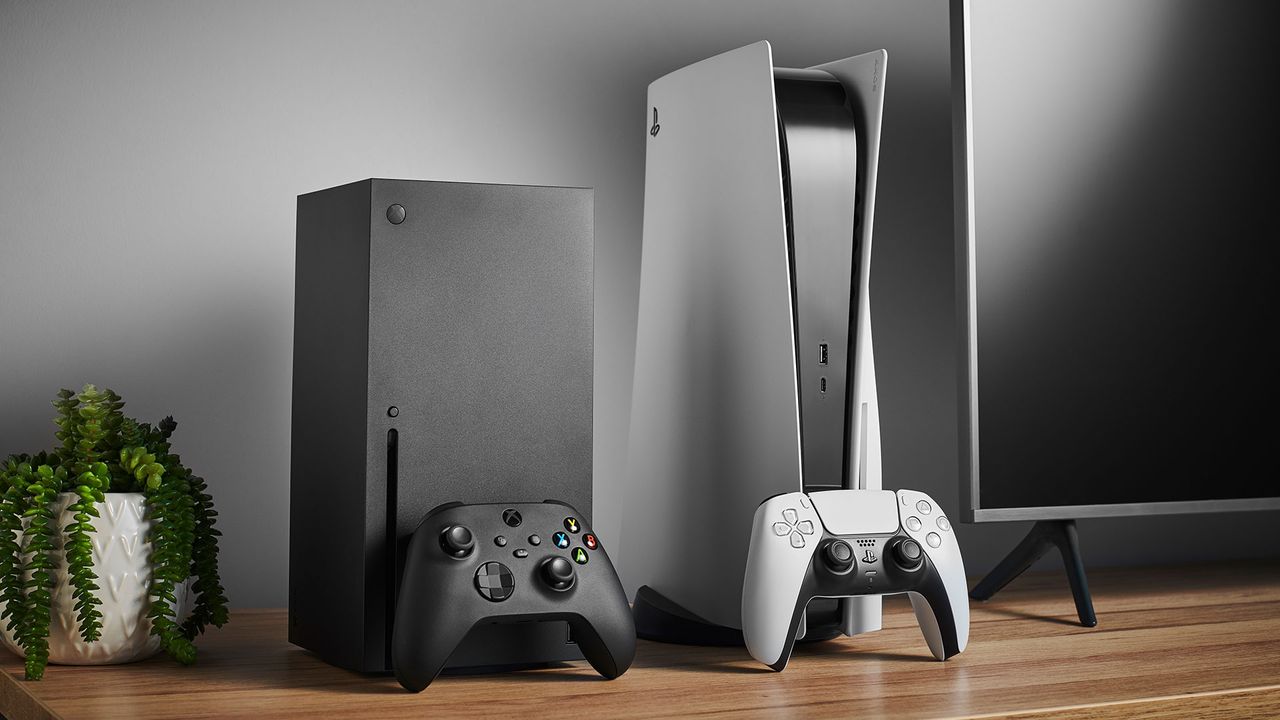
The current state of the console market tells a sobering story. Nintendo, PlayStation, and Xbox have all implemented significant price increases over the past year, with Sony and Microsoft raising prices on multiple occasions. These decisions stem from a complex web of supply chain challenges that have fundamentally altered the economics of gaming hardware production. The explosion of AI development has created fierce competition for memory components, as data centers worldwide scramble to secure the RAM and processing power needed to train and run large language models and other artificial intelligence systems.
Adding fuel to this inflationary fire, tariffs implemented by the Trump Administration have increased costs for components imported into the United States, a burden that inevitably passes down to consumers. The semiconductor industry, already strained by post-pandemic demand surges, has struggled to meet the needs of both the gaming and AI sectors simultaneously. Some analysts estimate that memory prices have increased by 30-40% compared to pre-pandemic levels, directly impacting the bill of materials for gaming consoles.
Sony’s Digital Pivot Signals Industry Transformation
In a move that reflects these economic realities, PlayStation has announced plans to discontinue physical game disc production by 2028, positioning itself to enter the next console generation as a purely digital platform. This decision represents a seismic shift in how gaming content will be distributed and consumed, eliminating manufacturing, shipping, and retail costs associated with physical media. Industry observers note that this transition has been years in the making, with digital sales already accounting for the majority of game purchases on current-generation consoles.
“It’s been a difficult time for console hardware, which is under genuine cost pressure,” Bromberg told The Game Business in a recent interview. “It’s unprecedented and it’s wacky. The idea that things get more expensive is the upside down of how it usually works. But that doesn’t mean that great console entertainment isn’t going to be consumed in massive quantities, and we’ll see that with GTA.” His reference to the highly anticipated Grand Theft Auto VI underscores how blockbuster releases continue to drive hardware sales and consumer engagement despite economic headwinds.
Demographic Challenges and the Path Forward
Beyond immediate cost pressures, the console industry faces a more subtle but equally concerning challenge: demographic shift. Traditional wisdom held that younger generations would naturally replace aging gamers, maintaining a constant refresh of the console customer base. However, recent data suggests this pattern may be breaking down, with younger consumers gravitating toward mobile gaming and free-to-play titles rather than investing in expensive dedicated gaming hardware. Bromberg acknowledges this reality but remains confident in the industry’s ability to adapt.
“The platform is vibrant,” he insists. “We will get more hit console entertainment. Costs will come down. And the industry will make games that will attract younger consumers over time.” This optimism may seem at odds with current market conditions, particularly as analysts warn that next-generation consoles from Sony and Microsoft could launch with price tags approaching $1,000. Some projections suggest that such pricing could result in first five-year sales figures 40% lower than the PlayStation 5 generation achieved.
Looking ahead, Bromberg paints a picture of a gaming renaissance that will eclipse everything that has come before. “There will be better, more engaging games built over the next ten years than were ever built over the prior ten,” he predicts. “We’re just beginning to scratch the surface of the level of persuasion and the intensity of engagement that we’re going to achieve. It’s crazy to think that the best years of this business are not in front of us.” Whether this vision materializes or remains wishful thinking will depend largely on the industry’s ability to balance innovation with accessibility in an increasingly expensive hardware landscape.
Expert Opinion: While Bromberg’s optimism provides a welcome counterpoint to industry doom-saying, his predictions hinge on several assumptions that may not materialize. The console market’s recovery will likely depend on stabilization of AI-driven component demand and resolution of trade tensions—factors largely outside the gaming industry’s control. However, the historical resilience of gaming through economic downturns, combined with the transformative potential of titles like GTA VI, suggests console gaming will adapt rather than collapse, though potentially at a smaller scale than previous generations.