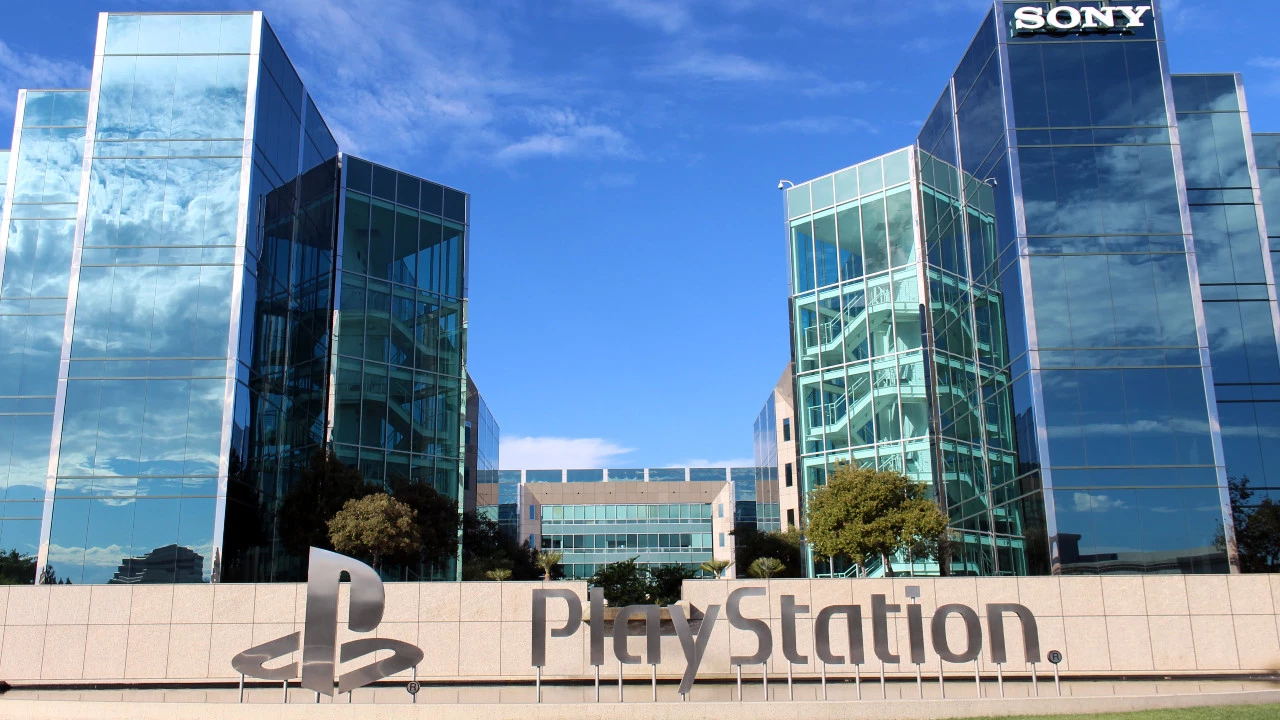
The PlayStation gaming community has organized a significant protest against Sony, launching a week-long boycott campaign under the hashtag #PSBlackout. This grassroots movement represents growing frustration among loyal customers who feel increasingly ignored by the Japanese gaming giant. The boycott calls on PlayStation owners to refrain from making any purchases through the PlayStation Store, avoid playing online games, and essentially disconnect from the PlayStation ecosystem for an entire week to send a clear message to Sony’s leadership.
The protest emerged following a series of controversial decisions by Sony that have alienated portions of its dedicated fanbase. Many participants cite issues ranging from aggressive price increases on games and subscription services, the company’s handling of live service games, and what they perceive as a dismissive attitude toward consumer feedback. The PlayStation 5, while commercially successful, has been at the center of numerous controversies since its 2020 launch, including limited availability, expensive accessories, and mandatory account requirements for certain games.
Sony’s Dismissive Response Fuels Community Anger
Rather than addressing the concerns raised by the boycott organizers, Sony’s response has only intensified the frustration within the community. The company has essentially reminded participants that their individual purchasing power means little in the grand scheme of PlayStation’s global operations. This reaction echoes a pattern seen throughout the gaming industry, where major corporations often calculate that vocal minorities on social media do not represent their broader consumer base. With over 60 million PlayStation 5 units sold worldwide and a massive install base of PlayStation Plus subscribers, Sony appears confident that a week-long protest will have negligible impact on their bottom line.
Industry analysts have noted that gaming boycotts historically struggle to achieve meaningful results. Previous attempts to organize consumer action against major publishers have typically failed to produce lasting change, as the fragmented nature of the gaming audience makes sustained collective action extremely difficult. The hashtag activism that drives these movements often generates significant online discussion but rarely translates into measurable financial pressure on multi-billion dollar corporations like Sony, which reported gaming division revenues exceeding $25 billion in their most recent fiscal year.
The Broader Context of Gaming Industry Discontent
This boycott reflects a wider trend of growing tension between gaming companies and their communities. The past several years have seen increased consumer pushback against practices such as aggressive monetization, mandatory online connections, account linking requirements, and the rising base price of video games. Sony specifically has faced criticism for decisions like requiring PlayStation Network accounts to play previously account-free games, the controversial pricing of the PlayStation Portal handheld device, and tiered subscription services that some feel offer diminishing value. The company’s approach to backwards compatibility and game preservation has also drawn criticism from dedicated fans who have supported the platform for decades.
Despite the passionate organization behind #PSBlackout, the movement faces an uphill battle against corporate mathematics. Sony’s diverse revenue streams across gaming, electronics, entertainment, and financial services mean that even a successful boycott would represent a minor inconvenience rather than an existential threat. The company has weathered previous controversies with minimal long-term damage, and the loyalty of the PlayStation ecosystem, built over three decades since the original PlayStation launched in 1994, provides substantial insulation against temporary consumer actions. Nevertheless, organizers hope that even symbolic resistance will register with Sony’s decision-makers and potentially influence future policies.
Expert Opinion: While gaming boycotts rarely achieve their stated goals, they serve as valuable indicators of community sentiment that companies would be wise to monitor. Sony’s dismissive stance may preserve short-term revenue but risks long-term brand erosion among its most engaged customers. As the gaming market becomes increasingly competitive with Microsoft’s subscription push and emerging cloud platforms, maintaining community goodwill could prove more strategically important than current corporate attitudes suggest.