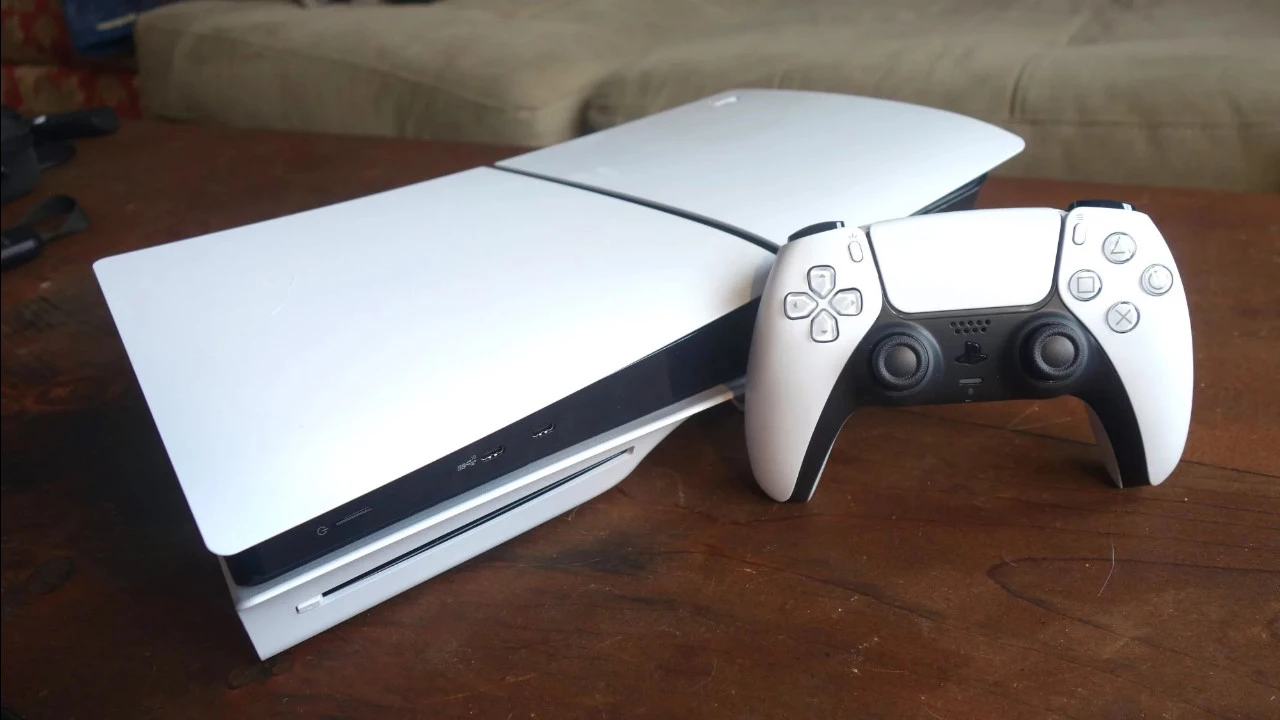
A growing community of physical media advocates has declared war on Sony’s controversial decision to phase out disc-based gaming. The group known as “Does It Play?” has initiated a large-scale, indefinite boycott of PlayStation products, demanding that the Japanese gaming giant reverse its reported plans to eliminate physical game discs from its consoles starting in 2028. The movement, which has gained significant traction on social media, represents a broader cultural clash between traditional gaming enthusiasts and the industry’s aggressive push toward an all-digital future.
The boycott comes in response to reports that Sony is preparing to discontinue disc drives in future PlayStation hardware, effectively forcing millions of gamers to abandon their physical game collections. For many longtime PlayStation fans, this represents not just a change in business model, but a fundamental betrayal of consumer rights and ownership principles that have defined gaming for decades.
The Death of Physical Media: A Growing Industry Trend
Sony’s alleged plans are part of a broader industry shift that has been accelerating over the past decade. Microsoft, Nintendo, and Sony have all released disc-less versions of their consoles, testing consumer appetite for fully digital gaming. The current PlayStation 5 is available in both standard and Digital Edition variants, with the latter lacking any optical drive capability. Industry analysts suggest that digital game sales now account for over 80% of total game purchases on major platforms, making the business case for physical media increasingly difficult to justify from a corporate perspective.
However, critics argue that the convenience of digital distribution comes with significant drawbacks. Unlike physical discs, digital games cannot be resold, lent to friends, or preserved independently of corporate servers. When digital storefronts close, as has happened with numerous platforms over the years, purchased games can become permanently inaccessible. This reality has fueled a passionate preservation movement that views physical media as essential to gaming’s cultural heritage.
Consumer Rights and the Ownership Debate
The “Does It Play?” community has positioned itself at the forefront of the consumer rights debate in gaming. Their argument centers on a fundamental question: do gamers truly own the products they purchase, or are they merely licensing temporary access to content that can be revoked at any time? This question has taken on renewed urgency following several high-profile incidents where digital games were removed from player libraries due to licensing disputes or corporate decisions.
Legal experts have noted that the terms of service for most digital platforms explicitly state that consumers are purchasing licenses rather than ownership rights. This distinction, often buried in lengthy user agreements, has profound implications for the future of gaming as a medium. Physical media advocates argue that discs represent the last bastion of true ownership in an increasingly subscription-based entertainment landscape.
Historical Context and Industry Response
The tension between physical and digital media has deep roots in gaming history. Sony itself faced massive backlash during the PlayStation 3 era when it removed the ability to install alternative operating systems through a firmware update, demonstrating how digital control can erode consumer expectations. The company’s attempt to implement always-online requirements and used game restrictions with the PlayStation 4 was also abandoned following intense consumer pressure, suggesting that organized boycotts can influence corporate policy.
Industry observers are watching the current boycott closely to gauge its potential impact. While Sony has not officially commented on the specific 2028 timeline or the boycott itself, the company’s recent investor communications have emphasized the growth of digital revenue streams. Whether consumer activism can reverse course on what appears to be an inevitable industry transition remains an open question, but the passionate response demonstrates that a significant segment of the gaming community is unwilling to accept a disc-free future without a fight.
Expert Opinion: The success of this boycott will ultimately depend on whether it can mobilize enough consumers to impact Sony’s bottom line. While digital distribution offers undeniable advantages in convenience and profit margins for publishers, the preservation community raises legitimate concerns about long-term access and cultural heritage. Sony may ultimately offer compromise solutions, such as extended support for disc-based consoles or enhanced digital ownership protections, rather than completely abandoning a vocal segment of its customer base.