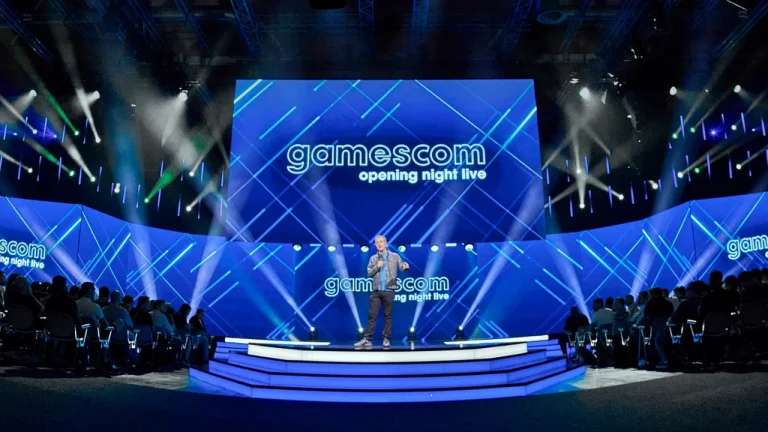
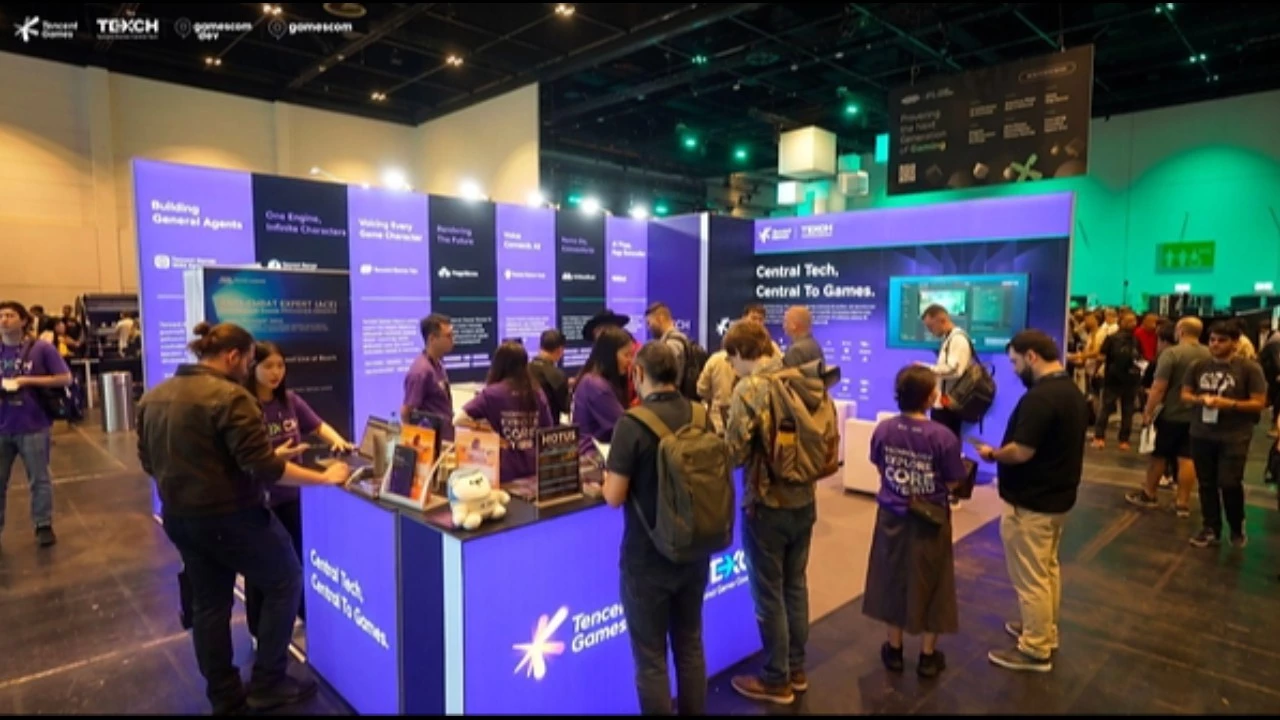
Chinese gaming giant Tencent has made a significant strategic move by debuting its Tencent Games Central Tech division at Gamescom 2026, presenting for the first time a unified technological brand encompassing its entire suite of game development tools. The announcement marks a pivotal moment for the world’s largest gaming company by revenue, as it seeks to establish itself not just as a publisher and developer, but as a fundamental technology provider for the global gaming industry. The comprehensive toolkit addresses virtually every aspect of modern game development, from initial content creation to long-term operational support and security.
The technology showcase featured six core solutions that Tencent has developed over years of internal use across its massive portfolio of games. Among the highlights were Motus, an advanced motion capture and animation system; GIGA, a powerful engine component designed for large-scale game environments; and MagicDawn, an AI-driven content generation platform that promises to revolutionize how developers create in-game assets. These tools have already been battle-tested across Tencent’s library of titles, which includes global phenomena like Honor of Kings, PUBG Mobile, and League of Legends through its ownership of Riot Games.
AI Integration Transforms Traditional Development Workflows
The integration of artificial intelligence into game development has accelerated dramatically over the past three years, and Tencent’s MagicDawn platform represents one of the most sophisticated implementations to date. The system utilizes generative AI to create textures, 3D models, character animations, and even basic game logic, potentially reducing development time by significant margins. Industry analysts note that such tools could democratize game development, allowing smaller studios to compete with larger publishers while enabling major developers to increase their output without proportionally increasing costs. The technology builds upon recent advances in machine learning that have transformed creative industries worldwide.
Tencent’s decision to present these tools as a unified brand reflects the company’s recognition of the growing importance of technology licensing and services in the gaming sector. Epic Games has demonstrated the viability of this approach with Unreal Engine, which has become an industry standard used by competitors and partners alike. By positioning Central Tech as a comprehensive solution provider, Tencent aims to capture a share of this lucrative market while simultaneously standardizing game development around its own technological ecosystem.
Security and Long-Term Support Solutions Address Industry Pain Points
Beyond creative tools, Tencent’s showcase included critical infrastructure solutions that address ongoing challenges in the gaming industry. Anti-Cheat Expert represents the company’s response to the persistent problem of cheating in online games, which costs the industry billions in lost revenue and damages player experiences. The system uses machine learning to detect unusual patterns and unauthorized modifications, building on Tencent’s experience operating some of the world’s most popular competitive games. GVoice, meanwhile, provides real-time voice communication services optimized for gaming environments, supporting multiple languages and offering low-latency performance essential for competitive play.
WeTest rounds out the toolkit as a comprehensive quality assurance platform that automates testing across multiple devices and configurations. This is particularly crucial given the fragmented Android ecosystem and the increasing diversity of gaming platforms. The platform can simulate thousands of concurrent users, identify performance bottlenecks, and detect compatibility issues before games reach consumers. Such tools have become essential as games launch simultaneously across mobile devices, consoles, and PC platforms with dramatically different hardware specifications.
Strategic Implications for the Global Gaming Landscape
Gamescom 2026 continues to serve as the premier venue for major gaming announcements, drawing hundreds of thousands of visitors to Cologne, Germany each year. Tencent’s prominent presence at the event signals the company’s ambition to expand its influence beyond the Asian markets where it already dominates. By offering its development tools to third-party studios, Tencent could establish relationships with developers worldwide, potentially leading to publishing partnerships or investment opportunities that have been central to the company’s growth strategy over the past decade.
The timing of this announcement coincides with significant changes in the gaming industry, including ongoing debates about development costs, crunch culture, and the sustainability of current production models. AI-powered tools like those presented by Tencent promise to address some of these concerns by automating labor-intensive tasks, though they also raise questions about the future of creative jobs in the industry. As these technologies mature and become more widely adopted, the landscape of game development may transform fundamentally, with companies that control essential tools wielding enormous influence over the direction of the medium.
Expert Opinion: Tencent’s strategic pivot toward becoming a technology provider rather than merely a game publisher represents a calculated bet on the infrastructure layer of the gaming industry. As development costs continue to escalate and AI tools become indispensable, companies controlling these foundational technologies will likely capture increasing value from the sector. Expect other major publishers to either develop competing toolsets or form strategic partnerships to avoid technological dependency on a single dominant provider.