Ubisoft has announced significant leadership changes within the Assassin’s Creed development team, signaling a new direction for one of gaming’s most iconic franchises. Eric Baptizat has been appointed as the new game director for the entire Assassin’s Creed series, a move that industry analysts believe could reshape how future installments are developed and delivered to players worldwide. Baptizat brings extensive experience from his previous work on multiple entries in the franchise, positioning him as a natural choice to guide the series into its next chapter.
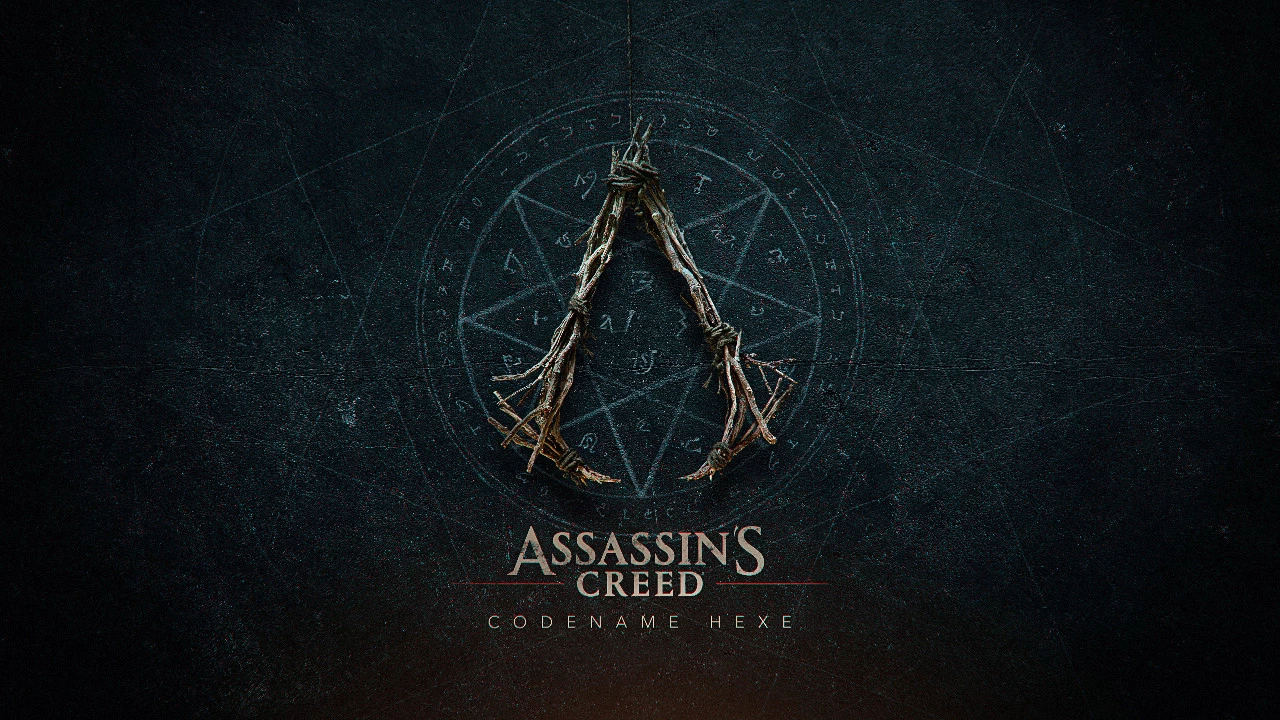
The announcement comes at a critical time for Ubisoft, which has faced mounting pressure from shareholders and fans alike to revitalize its flagship properties. While the company has confirmed that Assassin’s Creed Codename Hexe, the highly anticipated title set during the witch trials era, will remain unaffected by these organizational changes, future projects will likely reflect Baptizat’s creative vision and management philosophy.
A New Era of Leadership
Eric Baptizat’s appointment marks a significant consolidation of creative control within the Assassin’s Creed division. Having served in various capacities across multiple games in the series, including work on acclaimed titles like Assassin’s Creed Valhalla, Baptizat understands both the technical demands and narrative expectations that fans have come to associate with the franchise. His elevation to overseeing the entire series suggests Ubisoft is seeking more cohesive direction across all ongoing and future projects.
Industry insiders note that this restructuring reflects broader trends within the gaming industry, where major publishers are increasingly centralizing creative leadership to maintain brand consistency while reducing development costs. For a franchise that has released over a dozen mainline titles since its 2007 debut, maintaining quality while innovating has become an increasingly complex challenge. Baptizat will need to balance fan expectations for traditional stealth-action gameplay with the evolving demands of modern gaming audiences.
Codename Hexe Stays the Course
Perhaps the most reassuring news for dedicated fans is Ubisoft’s confirmation that Assassin’s Creed Codename Hexe will proceed as originally planned. This upcoming title, which is expected to explore the dark period of European witch hunts during the 16th and 17th centuries, has generated considerable excitement since its initial reveal. The game promises to deliver a darker, more atmospheric experience compared to recent entries, potentially returning to the series’ stealth-focused roots that characterized earlier installments like Assassin’s Creed II and Brotherhood.
Codename Hexe represents a creative risk for the franchise, moving away from the grand historical battlefields and viking raids that defined recent releases. Development teams have reportedly been working on creating an experience that emphasizes supernatural elements and psychological horror while maintaining the historical authenticity that has always been a hallmark of the series. With Baptizat now at the helm, there is renewed confidence that future projects will benefit from lessons learned during Hexe’s development cycle.
The Future of Assassin’s Creed
Looking ahead, the leadership changes signal that Ubisoft is preparing for what many consider a pivotal moment in the franchise’s history. The Assassin’s Creed series has sold over 200 million copies worldwide since its inception, making it one of the best-selling video game franchises of all time. However, recent releases have received mixed critical reception, with some fans expressing fatigue over repetitive gameplay mechanics and bloated open-world designs. Baptizat’s mandate will likely include addressing these concerns while ensuring commercial viability.
The gaming industry continues to evolve rapidly, with live-service elements, subscription models, and cross-platform play becoming increasingly important factors in game design. Ubisoft has already experimented with these elements through Assassin’s Creed Infinity, a planned platform that would serve as a hub for future Assassin’s Creed experiences. How Baptizat integrates these modern gaming paradigms while preserving the single-player narrative focus that defined the series’ golden age will be crucial to the franchise’s continued success.
Expert Opinion: This leadership consolidation suggests Ubisoft is taking a more strategic, long-term approach to the Assassin’s Creed franchise rather than treating each release as an isolated project. With Baptizat’s deep institutional knowledge and cross-title experience, we can expect future entries to feature more coherent design philosophies and potentially smaller, more focused experiences that prioritize quality over quantity. The key challenge will be whether this restructuring can address the franchise fatigue that has plagued recent releases while still delivering the innovation that modern gamers demand.