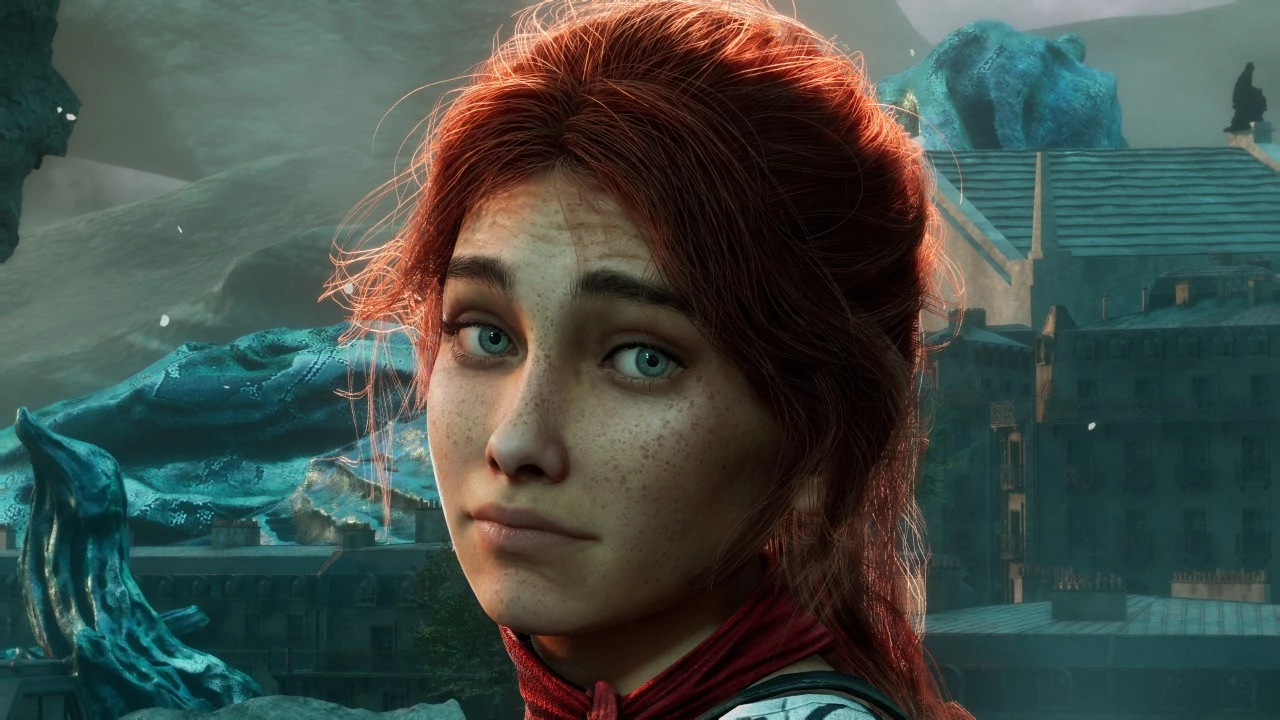
The creators of the critically acclaimed RPG Clair Obscur: Expedition 33 have publicly criticized Sony’s decision to phase out physical disc support, calling the move a ‘disgrace’ in a recent interview with Japanese gaming publication AUTOMATON. The developers at Sandfall Interactive expressed their strong support for physical game releases and voiced concerns about the industry’s rapid shift toward an all-digital future, sparking renewed debate about game preservation and consumer rights in the modern gaming landscape.
The Growing Divide Over Physical Media
The controversy stems from Sony’s recent hardware decisions, particularly the release of the PlayStation 5 Digital Edition and persistent rumors about future consoles potentially abandoning disc drives entirely. During the interview, the Sandfall Interactive team made their position clear: they believe physical media remains an essential part of gaming culture and consumer choice. The developers emphasized that many players still prefer owning tangible copies of their games, whether for collection purposes, resale value, or simply the security of knowing their purchases cannot be revoked by server shutdowns or licensing changes.
This sentiment resonates with a growing community of gamers who have witnessed firsthand the consequences of digital-only ownership. In recent years, numerous digital storefronts have closed, leaving players unable to access games they had purchased. Nintendo’s shutdown of the 3DS and Wii U eShops, along with various delisted titles across all platforms, has heightened awareness about the impermanence of digital libraries. The Clair Obscur developers’ comments reflect broader industry concerns about whether consumers truly own the games they purchase digitally, or merely license them temporarily.
Game Preservation at a Crossroads
The debate over physical versus digital distribution extends beyond mere convenience into the realm of cultural preservation. Video game historians and archivists have long warned that the industry’s shift away from physical media poses significant challenges for preserving gaming history. Unlike films or music, which have established preservation frameworks, video games face unique obstacles including hardware dependencies, online service requirements, and digital rights management systems that can render titles unplayable over time.
Clair Obscur: Expedition 33 itself represents exactly the type of ambitious, artistically significant title that preservationists argue must be protected for future generations. The game, developed by the French studio Sandfall Interactive, has garnered attention for its stunning art direction inspired by Belle Époque aesthetics and its innovative take on turn-based RPG mechanics. By releasing physical editions, the developers ensure that their creative work can be experienced decades from now, regardless of what happens to digital distribution platforms or online authentication servers.
Industry Trends and Consumer Response
Sony’s gradual retreat from physical media reflects broader industry trends driven by cost considerations and changing consumer habits. Digital distribution eliminates manufacturing, shipping, and retail overhead costs, while subscription services like PlayStation Plus and Xbox Game Pass have fundamentally altered how many players access games. However, the pushback from developers like those at Sandfall Interactive suggests that the transition is not universally welcomed, even within the industry itself.
Market research indicates that physical game sales, while declining, still represent a significant portion of the overall market, particularly in regions like Japan and parts of Europe where collector culture remains strong. Limited edition physical releases with special packaging, art books, and other collectibles continue to sell well, demonstrating that demand for tangible products persists among dedicated gaming enthusiasts. The success of companies specializing in physical releases of indie and classic titles, such as Limited Run Games and Special Reserve Games, further illustrates this enduring market segment.
As the gaming industry continues to evolve, the tension between digital convenience and physical ownership shows no signs of resolution. The outspoken stance of the Clair Obscur: Expedition 33 developers adds an important voice to this ongoing conversation, reminding both platform holders and consumers that the decisions made today will shape how games are accessed, owned, and preserved for generations to come. Whether Sony and other major platform holders will heed these concerns remains to be seen, but the debate over gaming’s physical future is clearly far from over.
Expert Opinion: The gaming industry stands at a critical inflection point where short-term cost savings from digital-only distribution must be weighed against long-term consequences for game preservation and consumer rights. As more developers publicly advocate for physical media options, we may see platform holders reconsider their all-digital strategies, particularly if collector markets and preservation concerns continue gaining mainstream attention. The next five years will likely determine whether physical gaming media survives as a viable option or becomes a niche luxury product.