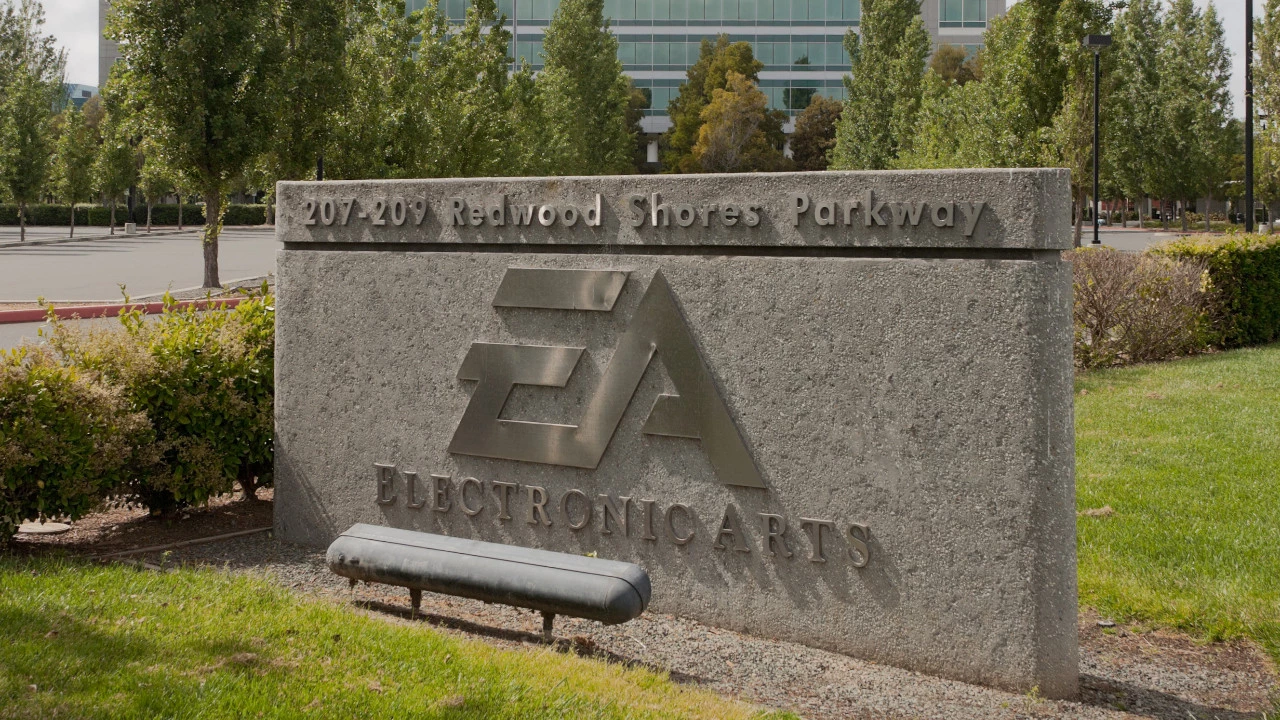
Employees at Electronic Arts, one of the world’s largest video game publishers, have reportedly voiced significant concerns following the completion of a massive $55 billion privatization deal with Saudi Arabia’s Public Investment Fund (PIF). The internal pushback highlights growing tensions between corporate leadership and staff members who worry that the company’s commitment to diversity, equity, and inclusion initiatives may be compromised under new ownership. This development represents one of the most significant examples of employee activism in the gaming industry amid a wave of Middle Eastern investment in entertainment and technology sectors.
The acquisition marks one of the largest foreign investments in the American gaming industry to date. Saudi Arabia’s sovereign wealth fund has been aggressively expanding its portfolio in the entertainment and gaming sectors as part of the kingdom’s Vision 2030 initiative, which aims to diversify the economy away from oil dependency. Previous investments have included significant stakes in companies like Activision Blizzard, Take-Two Interactive, and various esports organizations, demonstrating a clear strategic interest in capturing a portion of the rapidly growing global gaming market valued at over $200 billion annually.
Employee Concerns Center on Progressive Policies
At the heart of the employee unrest are concerns about how the new ownership structure might affect EA’s internal policies regarding LGBTQ+ representation, diversity hiring practices, and inclusive content in games. Saudi Arabia maintains strict laws regarding homosexuality and has faced international criticism for its human rights record, particularly concerning women’s rights and freedom of expression. Many EA employees fear that these cultural and legal differences could eventually pressure the company to modify both its workplace policies and the content of its games to accommodate the values of its new owners.
Electronic Arts has historically positioned itself as a leader in corporate diversity within the gaming industry. The company has included LGBTQ+ characters and storylines in popular franchises such as The Sims, Mass Effect, and Dragon Age. These inclusions have earned praise from advocacy groups while occasionally generating controversy among certain player demographics. The question now facing employees and observers alike is whether this commitment to representation will survive under ownership from a nation where such content would be illegal to distribute domestically.
The Broader Context of Gulf Investment in Gaming
This deal fits into a broader pattern of Gulf state investment in Western entertainment properties. Beyond gaming, Saudi Arabia and neighboring countries like the United Arab Emirates and Qatar have invested heavily in sports franchises, film production companies, and streaming platforms. Critics argue these investments represent an attempt at “sportswashing” or “cultural washing” — using entertainment and sports ownership to improve international reputation while deflecting attention from human rights concerns. Supporters counter that such investments represent legitimate business diversification and that foreign ownership rarely directly influences creative content decisions.
Industry analysts note that the gaming sector presents unique challenges for investors from conservative regions. Unlike passive investments in sports teams, video game companies create interactive content that often addresses mature themes including romance, violence, and political commentary. How PIF navigates these content decisions at EA could set important precedents for future Middle Eastern investment in creative industries. Some experts suggest that financial investors typically take a hands-off approach to creative decisions as long as products remain profitable, though others warn that corporate culture can shift gradually under new ownership structures.
What Comes Next for EA and Its Workforce
As the dust settles on this landmark acquisition, all eyes will be on how EA’s leadership addresses employee concerns while maintaining productive relations with its new owners. The company has not yet issued official statements regarding potential policy changes, and PIF representatives have historically emphasized non-interference in the operational decisions of their portfolio companies. However, the internal dissent suggests that EA may face ongoing challenges in balancing diverse stakeholder interests. The outcome could influence how other major gaming companies approach similar investment offers from sovereign wealth funds, potentially reshaping the ownership landscape of the global gaming industry for years to come.
Expert Opinion: This situation exemplifies the growing tension between global capital flows and cultural values in the entertainment industry. We can expect EA to initially maintain its current content policies to avoid immediate backlash, but long-term pressure on profit margins in conservative markets may gradually influence creative decisions. The gaming industry should prepare for similar conflicts as Middle Eastern investment continues expanding, making clear governance frameworks essential for protecting both employee rights and creative independence.