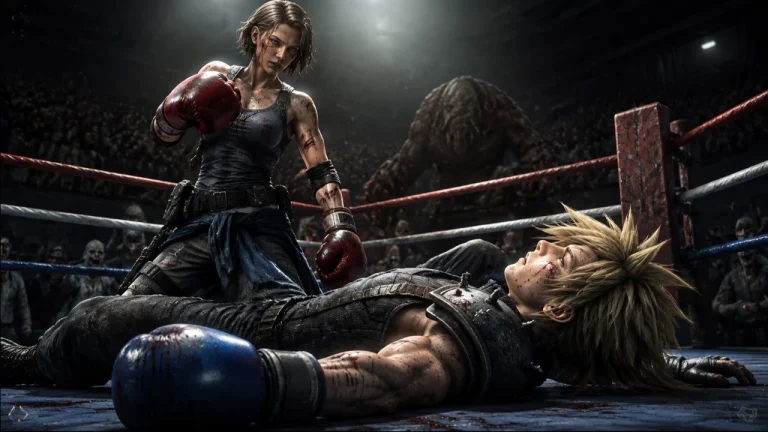

A wave of internal discontent is reportedly sweeping through Microsoft’s Xbox gaming division, with studio leadership increasingly vocal about their frustrations with the Game Pass subscription service. According to prominent gaming industry journalist Jason Schreier, executives at multiple Microsoft-owned studios have begun openly criticizing the platform, arguing that the subscription model is having a detrimental effect on the gaming industry as a whole. This revelation comes at a particularly sensitive time for Xbox, as the company navigates significant leadership changes and faces mounting pressure to justify its massive investments in gaming.
The Game Pass Controversy Explained
Game Pass, launched in 2017, has been Microsoft’s flagship gaming initiative, offering subscribers access to hundreds of games for a monthly fee similar to Netflix’s model for streaming video. While the service has attracted over 34 million subscribers worldwide, internal concerns about its long-term sustainability have apparently been simmering for years. Studio heads reportedly believe that releasing high-budget titles directly onto the subscription service undermines traditional sales models and devalues game development as a whole. When a AAA title that cost hundreds of millions of dollars to develop is available for a $15 monthly subscription on day one, it fundamentally changes consumer expectations about what games should cost.
The timing of these revelations is particularly significant. Phil Spencer, the charismatic leader who championed Game Pass and guided Xbox through its most ambitious expansion period, recently stepped back from his role as head of Xbox. His departure appears to have loosened tongues within the organization, with studio leaders now feeling more comfortable expressing concerns they may have suppressed during his tenure. Spencer was widely credited with transforming Xbox from a console manufacturer into a multi-platform gaming ecosystem, but his vision always placed Game Pass at the center of that strategy.
Financial Pressures and Industry Impact
The financial mathematics of Game Pass have always been controversial within the industry. Traditional game sales can generate hundreds of millions of dollars in revenue within the first week of release, with successful titles earning billions over their lifetime. Under the Game Pass model, however, studios receive a licensing fee from Microsoft rather than direct sales revenue. While Microsoft has reportedly been generous with these payments, the arrangement fundamentally changes how success is measured. Studios can no longer point to sales figures as proof of their value, making it harder to justify budgets and staffing levels for future projects.
Industry analysts have long debated whether subscription services can sustain the enormous budgets required for modern game development. A single AAA title can cost anywhere from $100 million to over $500 million to produce, requiring years of work from hundreds of developers. Critics argue that subscription revenue simply cannot support this level of investment across multiple simultaneous projects. Microsoft’s recent layoffs of approximately 2,500 gaming employees and the closure of several studios, including the acclaimed Tango Gameworks, have only intensified these concerns among remaining staff.
The Broader Industry Implications
The reported discontent within Xbox studios reflects larger anxieties throughout the gaming industry about the future of game monetization. Sony has notably resisted launching a day-one subscription service for its PlayStation exclusives, with leadership explicitly stating concerns about financial sustainability. Nintendo similarly maintains a traditional sales model for its first-party releases. Microsoft’s aggressive push toward subscriptions has essentially turned the company into a testing ground for whether this model can work at scale, and internal doubts suggest the experiment may not be yielding the results executives hoped for.
What happens next at Xbox will likely shape the industry’s direction for years to come. If Microsoft retreats from its Game Pass-first strategy, it could vindicate competitors who maintained traditional approaches. Alternatively, the company might double down on subscriptions while restructuring how studios are compensated and evaluated. Either way, the gaming industry is watching closely as one of its largest players grapples with fundamental questions about how games should be sold and valued in the modern era.
Expert Opinion: The internal pushback against Game Pass represents a critical inflection point for Microsoft’s gaming strategy. Industry observers anticipate that Xbox will likely introduce a hybrid model within the next 18-24 months, potentially delaying Game Pass inclusion for major titles or implementing tiered pricing structures. The ultimate resolution of this internal conflict will determine whether subscription gaming becomes the dominant model or remains a complementary option alongside traditional sales.