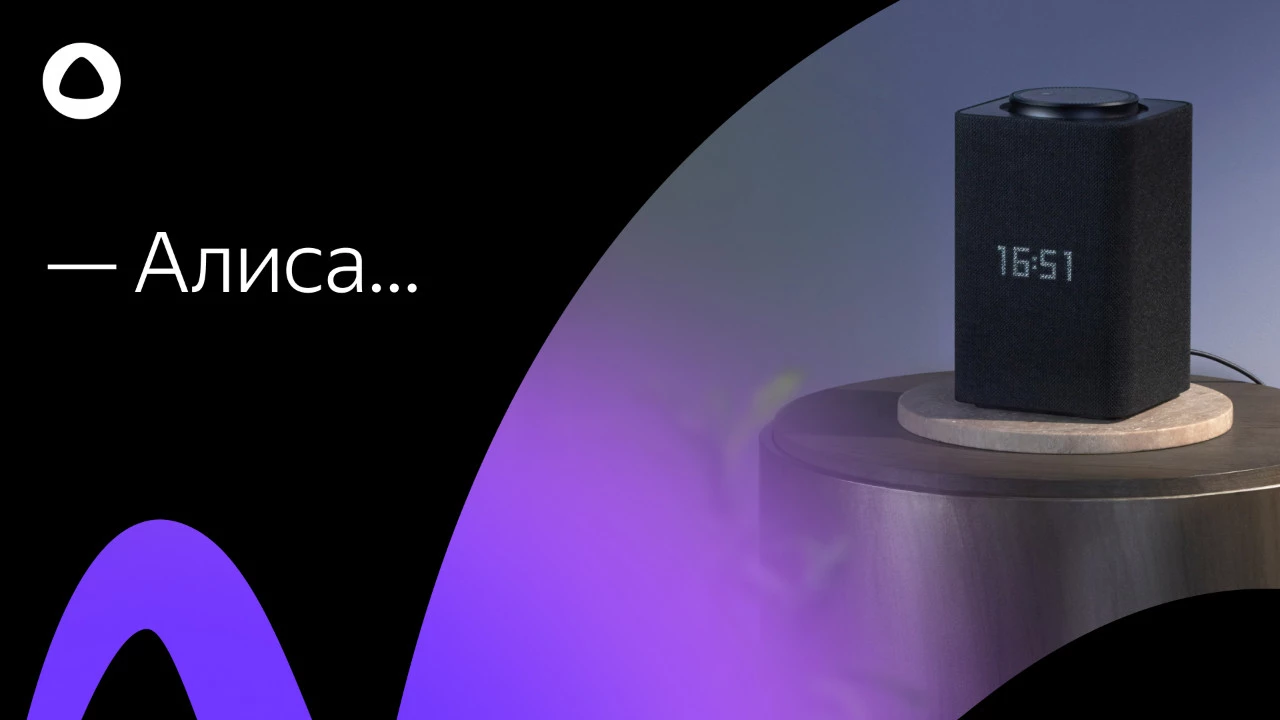
In a surprising turn of events that has sparked widespread discussion in Russia’s technology community, Yandex’s artificial intelligence assistant Alice has been warning users about potential privacy and security concerns associated with the national messenger application Max. The AI system provided detailed technical explanations of alleged vulnerabilities within the service and actively recommended that users switch to foreign messaging alternatives, raising questions about the relationship between competing Russian tech companies and the role of AI in shaping user behavior.
The incident has drawn significant attention as it pits two major Russian technology initiatives against each other. Max, developed as part of Russia’s push for digital sovereignty and domestic alternatives to Western platforms, now finds itself being criticized by another prominent Russian technology product. Alice, which has become one of the most widely used voice assistants in Russian-speaking markets since its launch in 2017, apparently identified and communicated specific technical vulnerabilities that it claimed could compromise user data and privacy.
Background on Russia’s Digital Sovereignty Push
The controversy comes amid Russia’s ongoing efforts to develop domestic alternatives to Western technology platforms. Following increased tensions with Western nations and concerns about data sovereignty, Russian authorities and technology companies have been actively promoting homegrown solutions. Max messenger was positioned as part of this broader initiative to reduce dependence on foreign platforms like WhatsApp, Telegram, and Signal. The messenger was designed to offer Russian users a secure, locally-developed communication platform that would keep data within national borders.
Yandex, often referred to as Russia’s Google, has historically maintained a complex position in the Russian technology landscape. The company operates search engines, maps, ride-sharing services, e-commerce platforms, and the Alice AI assistant. While Yandex has cooperated with Russian authorities on various matters, it has also faced pressure regarding data sharing and content moderation. The company’s AI assistant Alice has been integrated into millions of devices and smart home systems across Russia, making it one of the most influential AI platforms in the region.
Technical Concerns and AI Behavior Analysis
According to reports from users who encountered the warnings, Alice provided specific technical details about alleged security weaknesses in the Max messenger platform. The AI assistant reportedly cited concerns about encryption protocols, data storage practices, and potential vulnerabilities that could expose user communications to unauthorized access. While the exact technical claims have not been independently verified, the specificity of the warnings suggested that the AI had access to detailed information about the competing platform’s architecture.
Technology experts have raised important questions about how Alice arrived at these conclusions and whether the recommendations represent a deliberate competitive strategy or an unintended consequence of the AI’s training data and algorithms. Modern AI assistants are trained on vast datasets that may include security research, user reviews, and technical documentation, which could influence their assessments of various applications. However, the direct recommendation to switch to foreign alternatives has prompted speculation about whether human oversight or corporate interests played a role in shaping the AI’s responses.
Implications for Russian Tech Industry and Users
The incident highlights the growing influence of AI systems in shaping public perception and user behavior. As voice assistants and AI chatbots become more sophisticated and widely adopted, their recommendations carry increasing weight with users who may not have the technical expertise to independently evaluate software security claims. This raises broader questions about accountability, transparency, and the potential for AI systems to be used as tools for competitive advantage in the technology marketplace.
For Russian users caught in the middle of this apparent corporate rivalry, the situation presents a difficult choice. On one hand, concerns about privacy and security in messaging applications are legitimate and well-documented across the industry. On the other hand, the recommendation to adopt foreign platforms runs counter to official guidance promoting domestic alternatives. The incident may ultimately prompt both companies to address the underlying concerns more transparently and could lead to regulatory attention regarding how AI assistants evaluate and recommend competing products.
Expert Opinion: This incident represents a significant milestone in understanding how AI assistants can inadvertently or deliberately influence market competition and user choices. As AI systems become more autonomous in their recommendations, technology companies and regulators will need to establish clearer guidelines about transparency in AI decision-making processes. The long-term impact could include new requirements for AI assistants to disclose potential conflicts of interest when evaluating competing products.