With Christopher Nolan’s The Odyssey proving to be yet another monumental success for both the acclaimed director and theatrical releases worldwide, audiences are finding themselves captivated by the ancient world of Greek mythology and Homeric adventure. The film has reignited public fascination with classical antiquity, leaving fans eager to immerse themselves in similar experiences across different entertainment mediums. This renewed interest comes at a time when the sword-and-sandals genre has been notably absent from mainstream media, making the search for comparable content all the more challenging for enthusiasts of ancient epic storytelling.
The golden age of classical epics in cinema, which produced beloved films like Gladiator, Troy, and 300, has largely faded from Hollywood’s spotlight over the past decade. These productions, known for their grand battle sequences, mythological themes, and exploration of heroic ideals, once dominated box office returns and captured the imagination of global audiences. The genre’s decline left a significant void in popular entertainment, with few studios willing to invest in the massive budgets required for authentic period pieces set in ancient Greece or Rome. Nolan’s ambitious adaptation of Homer’s legendary poem has demonstrated that audiences still hunger for these sweeping narratives of gods, monsters, and mortal heroes navigating a world where fate and divine intervention shape every journey.
The Rise of Mythology in Gaming
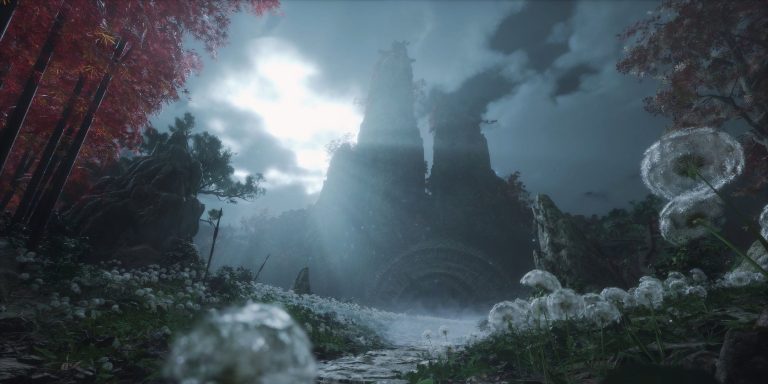
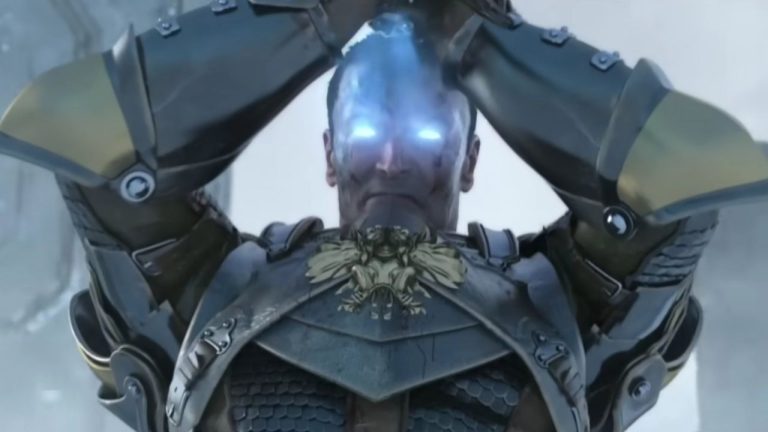
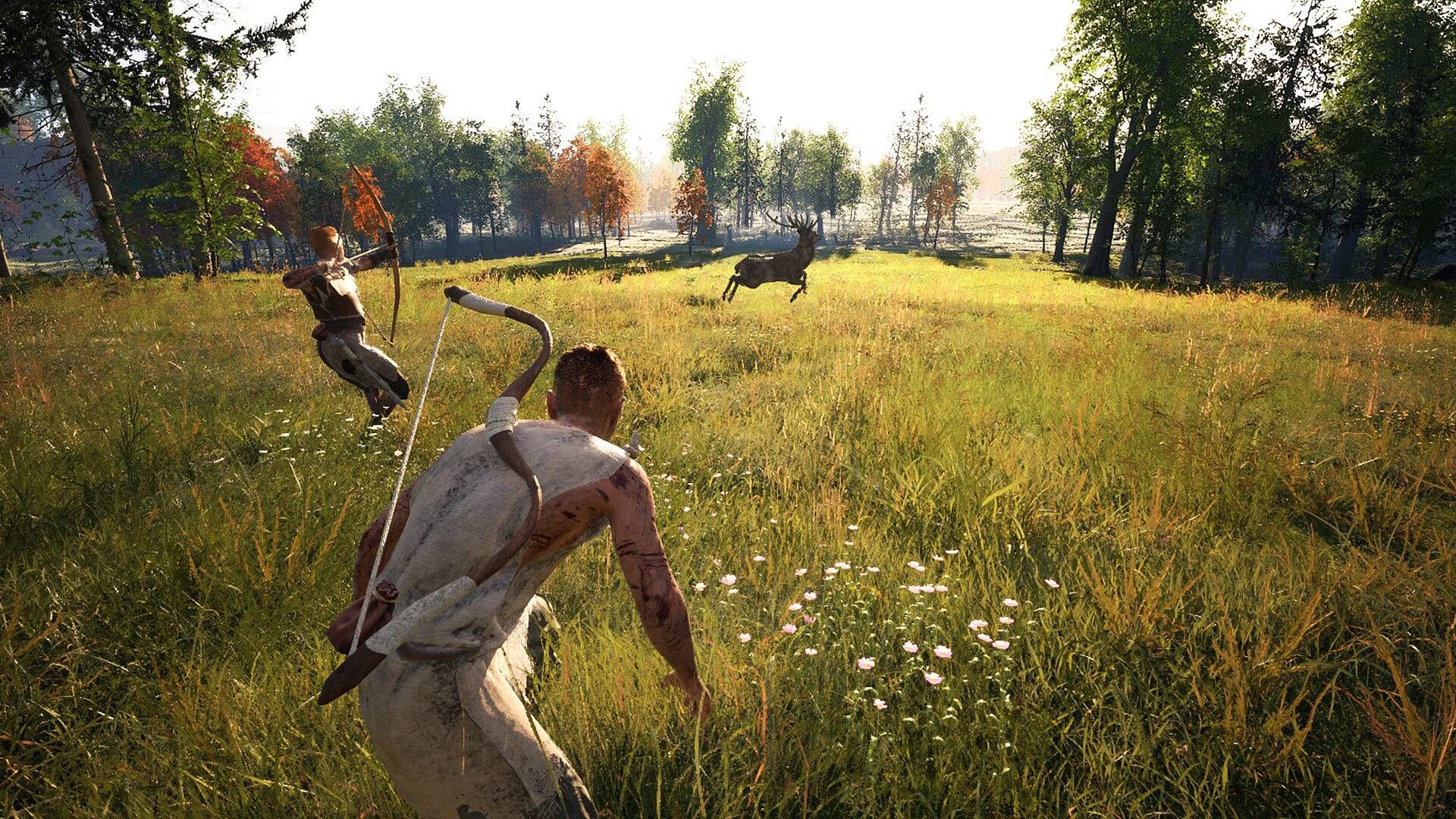
While Hollywood stepped away from classical settings, the video game industry quietly embraced ancient mythology with remarkable success. Titles like God of War, Assassin’s Creed Odyssey, and Hades have proven that interactive experiences set in mythological worlds can achieve both critical acclaim and commercial triumph. These games allow players to step directly into the sandals of legendary heroes, making choices that echo through narratives inspired by ancient texts. The survival game genre, in particular, has shown tremendous potential for combining open-world exploration with mythological themes, as evidenced by the massive success of Valheim, which drew heavily from Norse mythology and Viking culture to create an engaging cooperative survival experience.
Valheim’s 2021 early access launch became a cultural phenomenon, selling over ten million copies within its first year and demonstrating that players were eager for survival games rooted in rich mythological traditions. The game’s blend of exploration, base-building, crafting, and combat against creatures from Norse legend created a template that developers have since sought to replicate and expand upon. Its success proved that there was substantial market demand for survival RPGs that offered more than just resource gathering and shelter construction, but also provided deep lore, atmospheric world-building, and connections to humanity’s oldest stories.
A New Era for Classical Gaming Experiences
The timing of The Odyssey’s theatrical success could not be more fortuitous for game developers who have been working on projects inspired by Greek mythology and Homeric themes. Industry analysts suggest that the film’s popularity will likely boost interest in gaming experiences that offer similar settings and narrative scope. Open-world survival RPGs set in the ancient Mediterranean world present unique opportunities for players to experience the dangers of mythological Greece firsthand, from battling cyclopes and sirens to navigating the treacherous politics of warring city-states. These games can expand upon the source material in ways that films cannot, offering dozens or even hundreds of hours of content for players to explore.
The survival genre has evolved significantly since its early days of simple crafting and base defense mechanics. Modern entries in the genre incorporate sophisticated RPG elements, branching narratives, and rich environmental storytelling that would have been impossible just a decade ago. Developers now have access to powerful game engines capable of rendering vast ancient landscapes, detailed period-accurate architecture, and dynamic weather systems that can transform calm Mediterranean seas into ship-destroying tempests worthy of Poseidon’s wrath. This technological capability, combined with renewed cultural interest in classical antiquity, creates an ideal environment for ambitious new projects that marry the addictive gameplay loops of survival games with the timeless appeal of Greek epic poetry.
Expert Opinion: The convergence of Nolan’s cinematic success and the maturation of survival RPG mechanics signals a potentially transformative moment for mythology-based gaming. We can expect to see multiple studios announce Greek and Roman-themed survival projects within the next eighteen months, though only those offering genuine narrative depth alongside compelling gameplay will capture the audience seeking authentic Homeric experiences. The winners in this emerging subgenre will be developers who understand that players want to feel like Odysseus himself—tested, resourceful, and ultimately triumphant against impossible odds.