The pirate theme occupies a unique niche in the gaming industry. While it may not dominate the market like military shooters or fantasy RPGs, games featuring swashbuckling adventurers sailing the Caribbean seas have carved out a devoted following over the decades. From commanding massive naval fleets to engaging in sword fights on sun-bleached decks, pirate games offer an escapist fantasy that continues to captivate players worldwide. The romanticism of the golden age of piracy, combined with modern gaming technology, has produced some truly remarkable titles that span virtually every genre imaginable.
The appeal of pirate-themed games lies in their inherent sense of freedom and adventure. The historical period of piracy, roughly spanning from the 1650s to the 1730s, provides rich material for game developers. This era saw legendary figures like Blackbeard, Anne Bonny, and Calico Jack terrorizing merchant vessels across the Atlantic. Game developers have drawn inspiration from these colorful characters and the lawless nature of pirate life to create immersive experiences that let players live out their seafaring fantasies. Whether you prefer the tactical depth of naval warfare or the visceral thrill of hand-to-hand combat, there’s a pirate game designed to satisfy your particular gaming appetite.
Action and Adventure: The Heart of Pirate Gaming
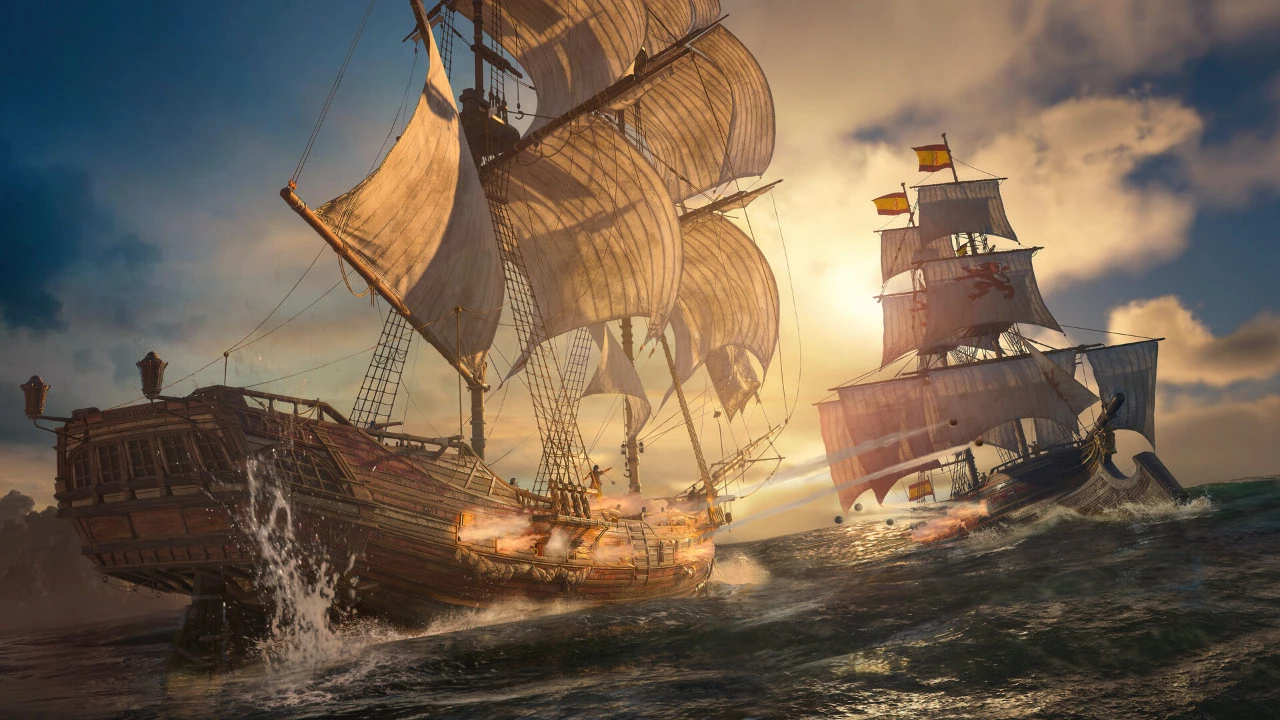
When most people think of pirate games, action-adventure titles immediately come to mind. The Assassin’s Creed franchise made waves with Black Flag in 2013, widely considered one of the best pirate games ever created despite being part of a historical assassination series. Players took on the role of Edward Kenway, a privateer-turned-pirate who becomes embroiled in the centuries-old conflict between Assassins and Templars. The game’s naval combat system was so well-received that it spawned its own spiritual successor, Skull and Bones, which Ubisoft developed as a dedicated pirate experience. The seamless transition between ship-to-ship battles and on-foot exploration set a new standard for the genre.
Sea of Thieves, developed by Rare and released in 2018, took a different approach by focusing on multiplayer cooperation and player-driven stories. This shared-world adventure game drops crews of players into a stylized pirate paradise where they must work together to sail ships, hunt treasure, and battle rival crews. The game has evolved significantly since launch, adding narrative campaigns, new enemy types, and crossover content featuring Pirates of the Caribbean characters. Its emphasis on emergent gameplay and social interaction has created countless memorable moments for players, from tense ship battles to hilarious mishaps involving exploding barrels and hungry sharks.
Strategy Games: Commanding Your Fleet
For players who prefer cerebral challenges over reflexive action, strategy games offer a compelling alternative. The Port Royale series has long been a staple of the genre, combining city-building mechanics with trade route management and naval combat. Players must balance economic concerns with military expansion, establishing trade networks across the Caribbean while defending their interests from rival factions. Sid Meier’s Pirates!, originally released in 1987 and remade in 2004, remains a beloved classic that blends multiple gameplay styles into a cohesive pirate simulation. Players can engage in ship combat, swordfighting, dancing minigames, and treasure hunting while building their reputation across the Spanish Main.
The strategic depth available in these titles appeals to history enthusiasts and tactical minds alike. Games like Tortuga: A Pirate’s Tale and various naval warfare simulations allow players to experience the complexities of 17th-century maritime conflict. Managing crew morale, maintaining supplies, and choosing which ships to engage require careful planning and resource management. These games often feature historically accurate ship designs and weaponry, providing an educational element alongside entertainment value.
Role-Playing Adventures on the High Seas
Role-playing games set in pirate worlds offer deep narrative experiences and character customization options. Risen 2: Dark Waters transplanted the Gothic series’ RPG mechanics to a Caribbean-inspired setting filled with voodoo magic and colonial intrigue. Players develop their characters through skill trees that emphasize different aspects of pirate life, from firearms proficiency to blade mastery. The game’s blend of supernatural elements with traditional pirate tropes created a unique atmosphere that distinguished it from more realistic competitors.
Indie developers have also contributed significantly to the pirate RPG space. Pillars of Eternity II: Deadfire expanded upon its predecessor by introducing ship management and naval exploration alongside its isometric RPG gameplay. The game received critical acclaim for successfully merging classic computer RPG design with pirate adventure elements. Meanwhile, smaller titles continue to explore the genre’s possibilities, offering everything from text-based adventures to survival games set on deserted islands. The diversity within pirate gaming ensures that regardless of your preferred playstyle, there’s an adventure waiting on the horizon.
Expert Opinion: The pirate gaming genre is experiencing a renaissance, driven by players’ desire for open-world freedom and emergent storytelling. With upcoming titles and continued support for existing games like Sea of Thieves, we can expect developers to push boundaries further, potentially incorporating more realistic sailing physics and historically authentic storylines. The success of Skull and Bones’ eventual release will likely determine whether major studios continue investing in dedicated pirate experiences or treat them as secondary themes within larger franchises.