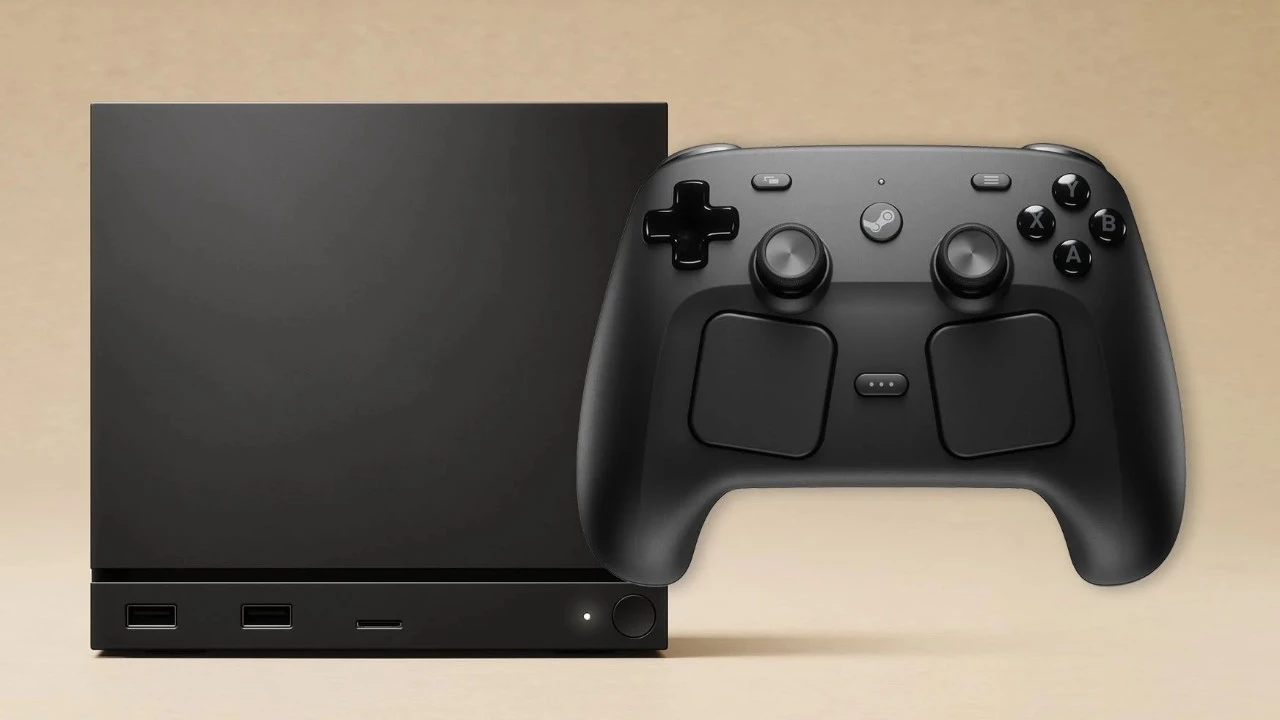
If you’ve been eyeing a Steam Machine but holding off in hopes of catching a price drop, Valve’s engineering team has some sobering news for you. The company’s hardware specialists are advising potential buyers to make their purchases sooner rather than later, suggesting that significant discounts may not materialize as some consumers might expect. This announcement has sparked renewed discussion about the future of Valve’s ambitious living room gaming initiative and the broader landscape of PC gaming hardware.
The Steam Machine project represented Valve’s bold attempt to bring PC gaming into the living room, directly competing with traditional gaming consoles from Sony, Microsoft, and Nintendo. Launched in November 2015, these compact gaming computers were designed to run SteamOS, Valve’s Linux-based operating system, and offered gamers the flexibility and power of PC gaming in a console-like form factor. The initiative saw partnerships with multiple hardware manufacturers including Alienware, Syber, and Zotac, each producing their own versions of the Steam Machine at various price points.
The Technical Challenge Behind Steam Machines
Understanding why prices may not decrease requires examining the unique technical challenges these devices present. Unlike mass-produced gaming consoles that benefit from enormous economies of scale, Steam Machines are essentially specialized gaming PCs built in relatively limited quantities. The component costs for high-performance graphics cards, processors, and compact cooling solutions remain substantial, and manufacturers have limited room to reduce prices without compromising quality or profitability. Industry analysts have noted that the PC component market has experienced significant price volatility in recent years, making cost reductions even more challenging.
Valve’s hardware philosophy has always differed from traditional console manufacturers. While Sony and Microsoft often sell consoles at a loss initially, recouping costs through game sales and subscriptions, Steam Machine manufacturers operate on traditional hardware margins. This fundamental business model difference means that the aggressive discounting seen with consoles simply isn’t economically viable for Steam Machine producers. The engineering complexity involved in creating powerful yet compact gaming systems further adds to the cost structure.
Market Position and Future Outlook
The Steam Machine’s market position has been a subject of much debate among gaming enthusiasts and industry observers. While the devices never achieved the mainstream success Valve initially hoped for, they carved out a dedicated niche among PC gaming purists who appreciated the flexibility of the platform. The Steam Controller, which often accompanied these machines, similarly developed a passionate following despite mixed initial reception. Valve’s ongoing commitment to hardware innovation, evidenced by later products like the Valve Index VR headset and the phenomenally successful Steam Deck, demonstrates the company’s continued interest in gaming hardware.
For consumers currently considering a Steam Machine purchase, the advice from Valve’s engineers carries significant weight. As production volumes potentially decrease and component availability fluctuates, waiting could mean paying more rather than less, or potentially missing out on available units entirely. This situation mirrors patterns seen with other niche gaming hardware, where limited production runs often lead to price increases in secondary markets once official sales conclude. Collectors and enthusiasts may find particular value in securing these devices while retail options remain available.
What This Means for PC Gaming Enthusiasts
The broader implications of this announcement extend beyond just Steam Machine buyers. It reflects ongoing challenges in the gaming hardware market, where supply chain complexities, component shortages, and shifting consumer preferences create an unpredictable pricing environment. For gamers who value the Steam ecosystem and want a dedicated living room gaming solution, the current moment may indeed represent the optimal purchasing window. As Valve continues to evolve its hardware strategy, the Steam Machine stands as an important chapter in the company’s journey to expand gaming beyond traditional desktop setups, even if its commercial legacy remains modest compared to Valve’s software achievements.
Expert Opinion: The Steam Machine’s trajectory illustrates a broader truth about niche gaming hardware: limited production runs and specialized components create pricing floors that market forces cannot easily overcome. Consumers interested in these devices should heed Valve’s advice, as similar hardware products historically appreciate rather than depreciate once discontinued. The Steam Machine may ultimately be remembered as an important stepping stone toward Valve’s more successful handheld ventures.