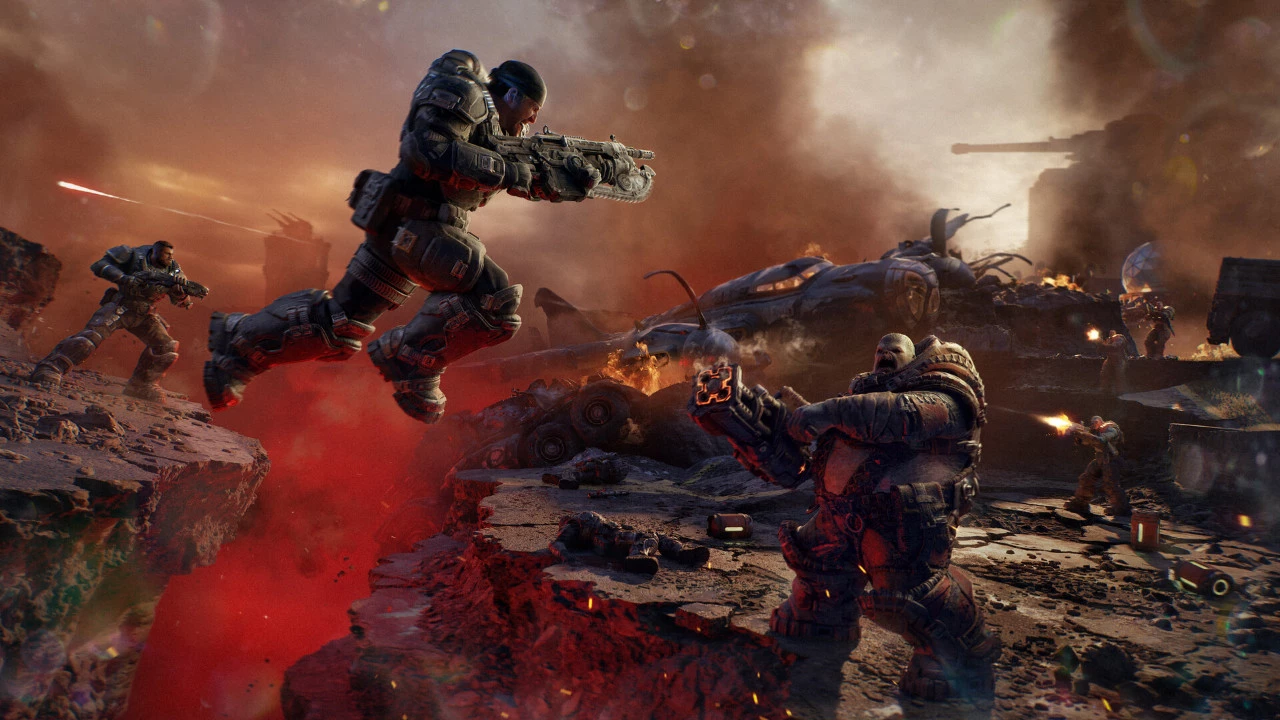
The gaming industry is witnessing a significant transformation in how major platform holders approach exclusive content, and Microsoft’s Xbox division stands at the center of this evolving landscape. The company’s strategy regarding exclusive titles has become increasingly complex, leaving many gamers and industry analysts puzzled about the direction Xbox is heading. While some highly anticipated projects like Gears of War: E-Day are returning to a traditional exclusive format for Xbox Series X|S and PC, Microsoft has made it clear that not all of its games will follow this path. This nuanced approach represents a dramatic departure from the console wars mentality that has dominated the industry for decades.
Matt Booty, the head of Xbox Game Studios, recently shed light on the reasoning behind these strategic shifts, offering insights into how the company views its role in the modern gaming ecosystem. According to Booty, the decision about which games remain exclusive and which ones expand to other platforms is made on a case-by-case basis, taking into account various factors including the nature of the franchise, its historical significance to Xbox, and the potential for reaching new audiences. This flexible approach marks a significant evolution from the rigid exclusivity models that defined previous console generations.
The Historical Context of Console Exclusivity
To understand the magnitude of Xbox’s strategic pivot, one must consider the historical importance of exclusive titles in the gaming industry. Since the earliest days of console gaming, exclusive titles have served as the primary battleground for platform competition. Nintendo built its empire on characters like Mario and Zelda, while Sony cultivated franchises like Uncharted and God of War to drive PlayStation sales. Microsoft entered the console market in 2001 with the original Xbox, quickly establishing Halo as its flagship exclusive that could rival any competitor’s offerings. For over two decades, the conventional wisdom held that powerful exclusives were essential for selling hardware and building brand loyalty.
However, the gaming landscape has transformed dramatically in recent years. The rise of subscription services, cloud gaming, and cross-platform play has fundamentally altered how players access and experience games. Microsoft recognized these shifts earlier than many competitors, launching Xbox Game Pass in 2017 as a Netflix-style subscription service for games. This service has grown to include millions of subscribers worldwide and has become central to Xbox’s business model, prioritizing engagement and recurring revenue over traditional hardware sales figures.
The Case-by-Case Approach Explained
Under the current strategy, Xbox evaluates each title individually to determine its platform availability. Flagship franchises with deep connections to Xbox heritage, such as Gears of War and potentially future Halo titles, may remain exclusive to preserve their identity as system sellers and maintain the value proposition for Xbox hardware owners. Meanwhile, other titles, even those from prestigious Xbox-owned studios, might launch simultaneously on competing platforms like PlayStation and Nintendo consoles. This approach was demonstrated when Microsoft released games like Hi-Fi Rush and Sea of Thieves on PlayStation, a move that would have been unthinkable just a few years ago.
Industry analysts have offered mixed reactions to this strategy. Some praise Microsoft for prioritizing player access and maximizing the reach of its game development investments, particularly following the company’s massive $69 billion acquisition of Activision Blizzard in 2023. Others express concern that diluting exclusivity could undermine the reasons consumers choose Xbox hardware over competitors. The debate reflects broader questions about the future of dedicated gaming consoles in an increasingly platform-agnostic industry where games are becoming more important than the hardware they run on.
Looking Ahead: What This Means for Gamers
For consumers, Xbox’s evolving strategy presents both opportunities and uncertainties. Players who own multiple platforms or prefer gaming on PlayStation or Nintendo systems may eventually gain access to titles that were previously unavailable to them. Xbox Game Pass subscribers, meanwhile, continue to receive day-one access to all first-party releases regardless of their broader platform availability. The upcoming Gears of War: E-Day, confirmed as an Xbox and PC exclusive, suggests that tentpole franchises will still provide compelling reasons to invest in Microsoft’s ecosystem, even as the company explores new revenue streams through multiplatform releases.
As the gaming industry continues to evolve, Microsoft’s willingness to experiment with different distribution models may prove prescient or problematic depending on market reception. What remains clear is that the old rules of console exclusivity are being rewritten in real-time, with Xbox leading what could become an industry-wide transformation in how games reach their audiences.
Expert Opinion: Microsoft’s hybrid exclusivity strategy represents a calculated bet that gaming’s future lies in services and engagement metrics rather than hardware unit sales. While this approach may initially confuse consumers accustomed to clear platform allegiances, it positions Xbox to thrive in a market where subscription revenue and player retention increasingly outweigh traditional console competition. The next 24 months will be critical in determining whether this strategy attracts new Game Pass subscribers or simply cannibalizes existing Xbox hardware sales.