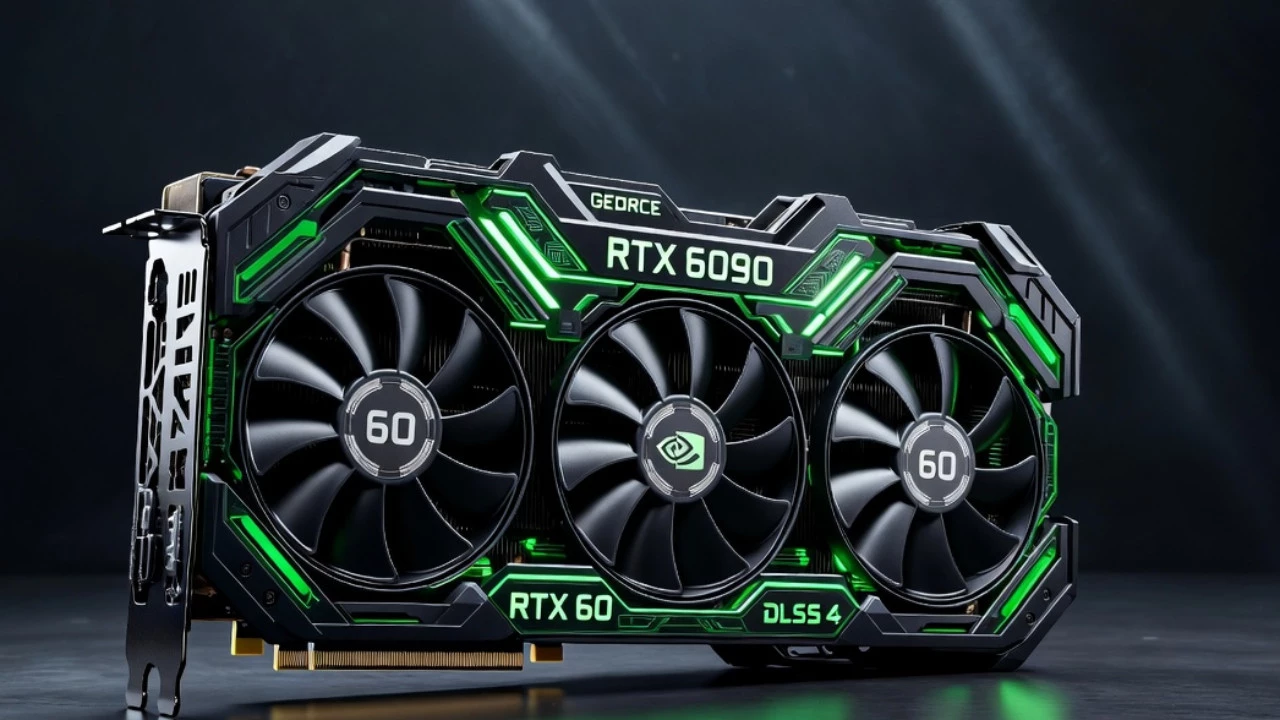
In a dramatic market shift that caught consumers and retailers off guard, graphics card prices across China have skyrocketed by 20 to 25 percent literally overnight. The sudden price surge has sent shockwaves through the gaming and computing communities, with many potential buyers now reconsidering their purchasing plans. The primary culprit behind this unexpected development is a severe shortage of GDDR6 and GDDR7 memory chips, which has caused DRAM module costs to multiply several times over, directly impacting the final retail prices of graphics cards.
The memory shortage affecting the GPU market is part of a broader semiconductor supply chain crisis that has been developing over recent months. Major memory manufacturers including Samsung, SK Hynix, and Micron have been struggling to meet the unprecedented demand for high-bandwidth memory solutions. As artificial intelligence applications, cryptocurrency mining operations, and next-generation gaming continue to drive demand for powerful graphics processing units, the pressure on memory suppliers has reached critical levels.
Understanding the GDDR Memory Crisis
GDDR6 and GDDR7 memory represent the cutting-edge of graphics memory technology, essential components that determine both the performance and pricing of modern graphics cards. GDDR6 has been the industry standard for several years, powering everything from mid-range gaming cards to professional workstation GPUs. Meanwhile, GDDR7, the newest generation of graphics memory, offers significantly higher bandwidth and improved power efficiency, making it crucial for flagship products from NVIDIA and AMD.
The shortage stems from multiple factors converging simultaneously. Production capacity for advanced memory chips requires sophisticated fabrication facilities that take years and billions of dollars to construct. Additionally, the explosive growth of AI and machine learning applications has created competition for semiconductor manufacturing resources. Data centers worldwide are racing to acquire the most powerful GPUs available, further straining already limited supplies. Industry analysts estimate that memory chip prices have increased by 200 to 300 percent in some cases, costs that manufacturers have no choice but to pass on to consumers.
Impact on the Global GPU Market
While China is experiencing the most immediate and severe price increases, experts warn that this phenomenon will likely spread to other markets within weeks. The interconnected nature of global electronics supply chains means that shortages in one region inevitably affect prices worldwide. European and American consumers should prepare for similar price adjustments as inventory purchased before the shortage runs out and new stock arrives at higher wholesale costs.
Historical precedent suggests this situation could persist for an extended period. During the cryptocurrency boom of 2017-2018 and again in 2020-2021, graphics card prices remained elevated for 12 to 18 months before normalizing. However, the current shortage differs fundamentally because it affects the raw materials rather than simply being driven by speculative demand. This makes the timeline for recovery less predictable and potentially longer, as expanding memory production capacity requires substantial capital investment and lead time.
What This Means for Consumers and Industry
For consumers who have been planning to upgrade their systems or build new computers, the timing of purchases has become critically important. Those who can wait may benefit from eventual price stabilization, though industry insiders suggest this could take six months to a year. Meanwhile, current graphics card owners may find their hardware retaining value better than expected, as the used market adjusts to reflect new pricing realities.
Graphics card manufacturers are reportedly exploring various strategies to mitigate the impact, including redesigning products to use less memory, prioritizing production of lower-memory variants, and seeking alternative suppliers. NVIDIA and AMD have both acknowledged supply constraints in recent earnings calls, though neither has provided specific guidance on when relief might arrive. The situation highlights the vulnerability of the technology industry to supply chain disruptions and may accelerate efforts to diversify semiconductor manufacturing geographically.
Expert Opinion: The current memory shortage represents a structural challenge rather than a temporary market fluctuation, suggesting prices will remain elevated through at least the first half of 2026. Consumers should expect a 15-30% premium on graphics cards globally within the next quarter. Long-term, this crisis may accelerate investment in memory manufacturing capacity and potentially reshape how GPU manufacturers design products to reduce dependency on scarce components.