In a striking example of how digital piracy continues to evolve in the social media age, Christopher Nolan’s highly anticipated film “The Odyssey” was illegally uploaded to X (formerly Twitter) over the weekend, where it accumulated over 2.1 million views before the offending account was suspended. The incident began when a viral post declaring “Someone uploaded ‘The Odyssey’ full movie on X. Can you believe it?” drew widespread attention to the bootleg copy. Variety confirmed that the upload was a genuine, high-quality version of the acclaimed director’s latest cinematic achievement, raising serious questions about content moderation on Elon Musk’s social media platform.
What made this particular piracy incident unique, however, was the internet’s collective response. Rather than focusing on the legal implications or the availability of free content, social media users appeared far more interested in creating and sharing memes about the situation. The irony of a major Hollywood production being casually shared on a mainstream social platform became fodder for countless jokes, with users commenting on everything from the audacity of the upload to humorous observations about modern viewing habits.
A New Era of Digital Piracy on Social Platforms
The incident highlights a troubling trend in digital content distribution. While traditional piracy methods involved torrent sites and file-sharing networks that operated in relative obscurity, the brazen upload of a major studio film to one of the world’s largest social media platforms represents a significant shift. X, which has undergone substantial changes to its content moderation policies since Elon Musk’s acquisition in 2022, has faced repeated criticism for its handling of copyrighted material. The platform’s reduced moderation staff and algorithmic changes have created an environment where such uploads can gain millions of views before being addressed.
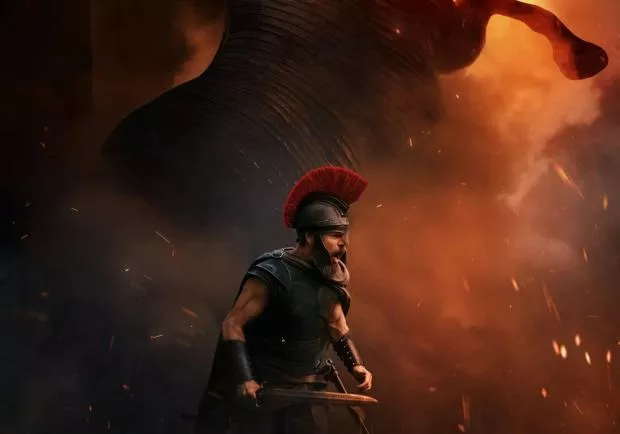
Christopher Nolan’s “The Odyssey” represents a massive investment from Universal Pictures, with the epic adaptation of Homer’s ancient Greek poem featuring an all-star cast and Nolan’s signature large-format IMAX cinematography. The film, which reportedly cost hundreds of millions of dollars to produce, is exactly the type of premium content that studios fight hardest to protect from piracy. The fact that a high-quality copy circulated so freely on a major platform underscores the ongoing challenges facing the entertainment industry in the digital age.
The Economics of Movie Piracy
Film piracy costs the global entertainment industry an estimated $29 billion to $71 billion annually, according to various industry studies. For a prestige production like “The Odyssey,” even a fraction of those 2.1 million viewers choosing the free, illegal option over theater tickets or legitimate streaming could represent significant lost revenue. However, some researchers argue that the relationship between piracy and box office performance is more complex than simple lost sales, with some studies suggesting that piracy can actually increase awareness and eventual legitimate viewership for certain titles.
The meme-focused response to this particular incident reflects a generational shift in how younger audiences perceive both intellectual property and social media content. For many users, the novelty of seeing a major film casually posted on their timeline was more noteworthy than the content itself. This attitude represents a significant challenge for content creators and distributors who must compete not just with illegal alternatives, but with an internet culture that often treats such incidents as entertainment rather than theft.
Platform Responsibility and Future Implications
The suspension of the account that uploaded the film represents X’s eventual response to the copyright violation, but the damage was already done by the time action was taken. Critics argue that proactive content identification systems, similar to YouTube’s Content ID, should be standard on any platform hosting video content. X has historically relied more heavily on reactive moderation, responding to reports rather than preventing uploads in the first place. As social media platforms continue to expand their video capabilities to compete with TikTok and YouTube, questions about their responsibility to protect copyrighted content will only intensify.
The incident also raises questions about the future of theatrical releases in an era of instant digital distribution. Studios have experimented with various release windows and strategies to combat piracy, from simultaneous streaming releases to enhanced theatrical experiences that cannot be replicated at home. Christopher Nolan himself has been one of Hollywood’s most vocal advocates for the theatrical experience, making the piracy of his film on a social media platform particularly ironic. As the entertainment industry continues to adapt to changing consumer behaviors and technological capabilities, incidents like this weekend’s “Odyssey” upload serve as reminders that the battle against piracy remains far from over.
Expert Opinion: This incident demonstrates that major social platforms still lack adequate infrastructure to prevent large-scale copyright infringement in real-time, despite having the technological capability to implement such systems. The meme-driven response suggests that younger audiences increasingly view piracy as a cultural phenomenon rather than a legal issue, which may force studios to rethink their distribution strategies entirely. Moving forward, we can expect increased pressure from Hollywood on platforms like X to implement proactive content protection measures or face potential legal consequences.