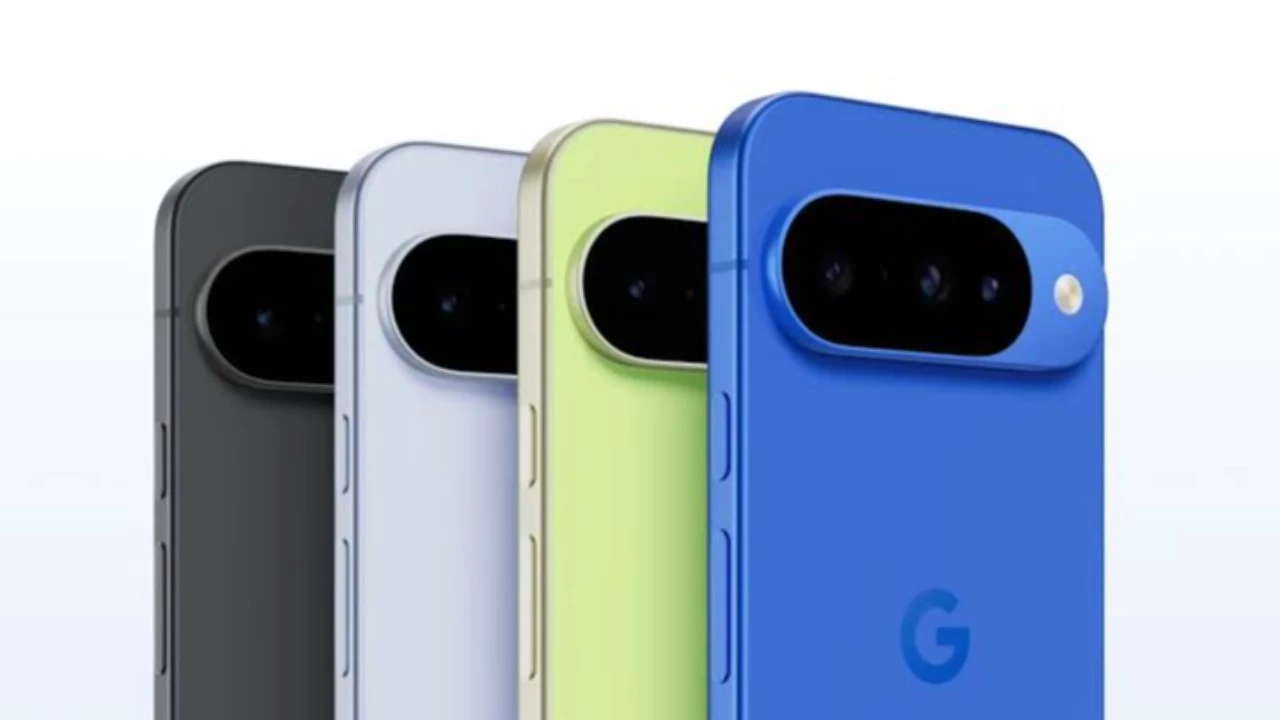
Google has officially confirmed that its upcoming Pixel smartphone lineup will see significant price increases, marking a notable shift in the company’s pricing strategy that has long positioned Pixel devices as competitively priced alternatives to premium competitors. The announcement came directly from Shakil Barkat, Vice President of Google’s Devices and Services division, who attributed the decision to an unprecedented global shortage of RAM components that has sent manufacturing costs soaring across the entire consumer electronics industry.
According to Barkat, the severity of the memory supply constraints has reached a point where Google can no longer absorb the increased component costs while maintaining current retail prices. This admission represents a significant departure from the company’s previous approach of shielding consumers from supply chain volatility, and signals broader challenges that may affect the entire smartphone industry throughout 2025 and beyond.
Understanding the Global Memory Crisis
The current RAM shortage stems from a perfect storm of factors that have been building over the past several years. The explosive growth of artificial intelligence applications, cloud computing infrastructure, and data centers has dramatically increased demand for memory chips, creating fierce competition between consumer electronics manufacturers and enterprise technology providers. Major memory producers including Samsung, SK Hynix, and Micron have struggled to expand production capacity quickly enough to meet this surging demand, leading to allocation challenges and price spikes across the semiconductor supply chain.
Industry analysts note that the situation has been further complicated by geopolitical tensions affecting semiconductor manufacturing regions, particularly in East Asia where the majority of global memory production is concentrated. The memory market operates in notoriously cyclical patterns, but the current shortage has proven more persistent than typical supply fluctuations, with some experts predicting constraints could continue well into 2026.
Impact on Google’s Pixel Strategy
For Google, the timing of this supply chain crisis presents particular challenges. The Pixel lineup has carved out a distinctive niche in the smartphone market by offering flagship-quality cameras, clean Android software experiences, and cutting-edge AI features at prices typically below those of direct competitors like Apple’s iPhone and Samsung’s Galaxy S series. This value proposition has been central to Pixel’s marketing appeal and has helped the brand build a loyal following despite relatively modest market share compared to industry giants.
The anticipated Pixel 11 series was expected to continue this tradition, with rumors suggesting significant upgrades to camera systems, display technology, and on-device AI capabilities powered by Google’s next-generation Tensor processor. However, the necessity of incorporating expensive RAM components while passing costs to consumers could fundamentally alter how the Pixel brand is perceived in the marketplace. Industry watchers speculate that price increases could range from 10 to 20 percent compared to equivalent models from previous generations.
Broader Industry Implications
Google’s announcement likely foreshadows similar moves from other smartphone manufacturers in the coming months. Apple, Samsung, and Chinese manufacturers including Xiaomi and OnePlus all face identical supply chain pressures, and few companies possess the financial resources to indefinitely subsidize component cost increases. Consumer electronics analysts predict a general upward trend in flagship smartphone pricing throughout the industry, potentially pushing premium devices beyond psychological price thresholds that have historically defined market segments.
The memory shortage also raises questions about specifications for upcoming devices. Some manufacturers may choose to offer lower RAM configurations to maintain price points, potentially compromising performance and longevity. Others might delay product launches while waiting for supply conditions to improve. For consumers, the practical implications could include reconsidering upgrade cycles, exploring mid-range alternatives, or accepting higher prices for flagship experiences they have come to expect.
Expert Opinion: The memory supply crisis represents a structural shift in smartphone economics that consumers should prepare for long-term rather than treating as a temporary disruption. Companies like Google that have built brand identity around competitive pricing face the most significant strategic challenges, as they must choose between eroding margins or risking customer backlash from substantial price increases. We anticipate this situation will accelerate consolidation in the smartphone industry and potentially drive innovation in memory-efficient software solutions as manufacturers seek alternatives to simply passing costs to consumers.