Apple enthusiasts may need to start saving more aggressively for their next smartphone upgrade, as multiple industry sources are now predicting a substantial price increase for the upcoming iPhone 18 Pro. According to two separate reports, the flagship device could carry a starting price tag approaching $1,400, representing one of the most significant price jumps in recent iPhone history. This potential increase has sparked concerns among consumers and analysts alike about the sustainability of premium smartphone pricing in an increasingly competitive market.
The Evolution of iPhone Pricing and What It Means for Consumers
To put this potential price hike in perspective, it’s worth examining Apple’s pricing strategy over the years. When the original iPhone launched in 2007, it carried a starting price of $499. The iPhone X, released in 2017, broke the $1,000 barrier for the first time, setting a new benchmark for premium smartphones. The current iPhone 15 Pro starts at $999, while the iPhone 15 Pro Max begins at $1,199. If the $1,400 price point materializes for the iPhone 18 Pro, it would represent approximately a 40% increase over current Pro model pricing and signal a dramatic shift in Apple’s market positioning.
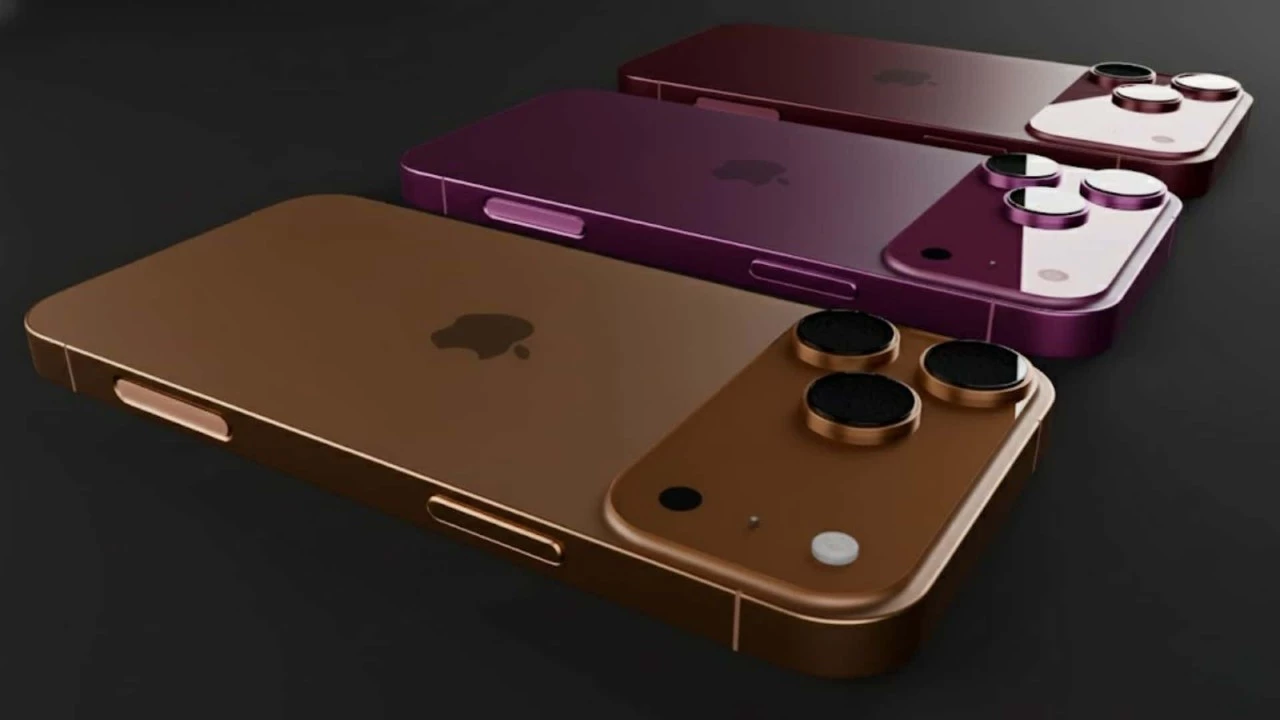
Industry analysts have suggested several factors that could justify such a substantial price increase. The iPhone 18 Pro is expected to feature significant hardware upgrades, including potentially revolutionary display technology, advanced artificial intelligence capabilities, and substantially improved camera systems. Apple has been investing heavily in custom silicon development, and the A20 chip expected in the iPhone 18 series could represent a major leap forward in mobile computing power. Additionally, the incorporation of more sophisticated materials and manufacturing processes could contribute to higher production costs.
Market Implications and Consumer Response
The potential price increase raises important questions about market dynamics and consumer behavior. In recent years, smartphone upgrade cycles have lengthened considerably, with many users holding onto their devices for three to four years or longer. A $1,400 starting price could accelerate this trend further, potentially impacting Apple’s unit sales while maintaining or increasing overall revenue per device. Competitors like Samsung, Google, and emerging Chinese manufacturers may see an opportunity to capture price-sensitive consumers who balk at the premium pricing.
Economic factors also play a crucial role in this pricing decision. Global inflation, supply chain challenges, and increased costs for rare earth materials used in smartphone components have all contributed to rising production expenses across the electronics industry. Apple’s decision to potentially pass these costs onto consumers, rather than absorbing them to maintain current price points, suggests confidence in brand loyalty and the perceived value of its ecosystem. The company’s services revenue, which has grown substantially in recent years, may also factor into the strategy, as higher-priced devices tend to correlate with increased spending on apps, subscriptions, and accessories.
Looking Ahead to 2026 and Beyond
The iPhone 18 Pro is expected to launch in fall 2026, giving Apple approximately 18 months to finalize its pricing strategy. Market conditions, competitive pressures, and consumer feedback will likely influence the final decision. Some analysts speculate that Apple may introduce new financing options or trade-in programs to soften the impact of higher prices. The company has historically been successful in maintaining premium positioning while expanding its customer base through various payment plans and carrier partnerships. Whether consumers will embrace a near-$1,400 smartphone remains to be seen, but Apple’s track record suggests the company has carefully calculated the market’s tolerance for premium pricing.
Expert Opinion: The projected $1,400 price point for the iPhone 18 Pro likely reflects Apple’s strategy to position its flagship devices as ultra-premium products competing with foldable phones and professional-grade mobile workstations. This move could segment the market more distinctly, with standard iPhone models serving mainstream consumers while Pro variants become aspirational luxury items. Long-term, this pricing approach may prove sustainable if Apple delivers genuinely transformative features that justify the premium.