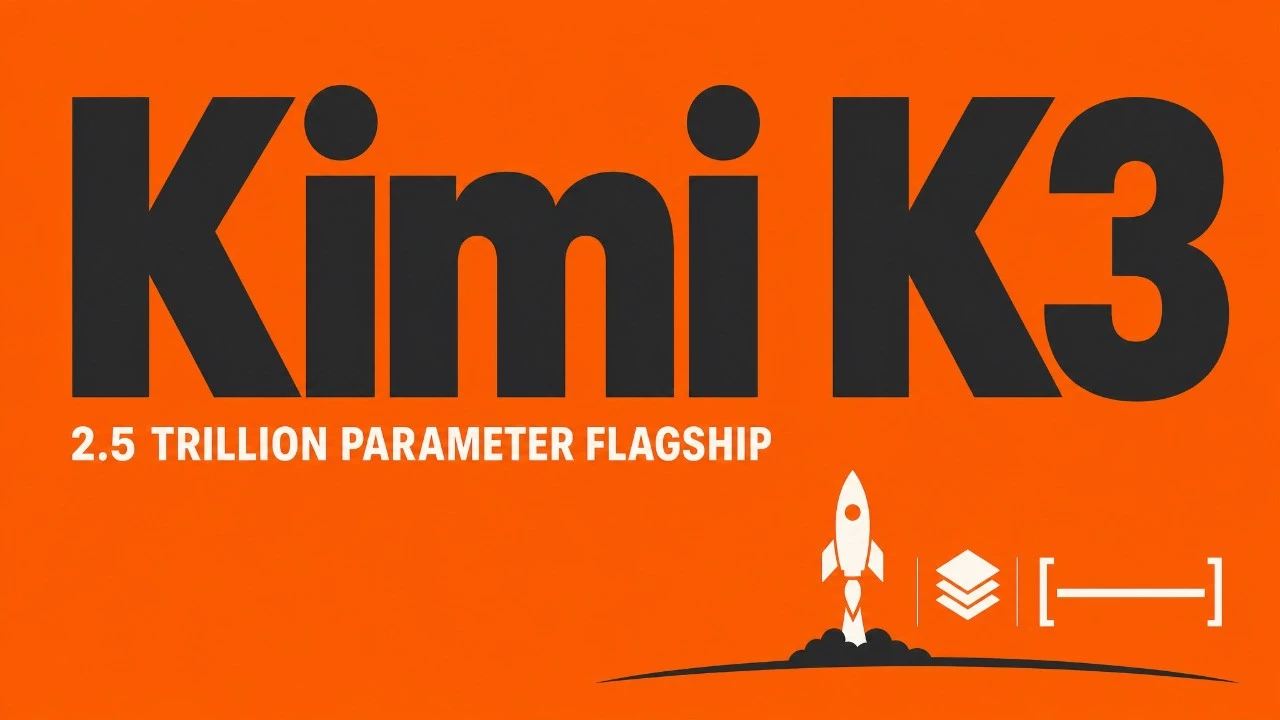
In a surprising development that has sent ripples through the artificial intelligence community, the new language model Kimi-K3 from Chinese AI company Moonshot AI has unexpectedly claimed the top position in the prestigious Frontend Code Arena rankings. The model achieved an impressive score of 1679 points, dethroning the previously dominant Claude Fable 5 from Anthropic and marking one of the most dramatic leaps in the benchmark’s history. This achievement signals a significant shift in the global AI landscape, demonstrating that Chinese developers are rapidly closing the gap with their Western counterparts in advanced language model capabilities.
The Frontend Code Arena has become one of the most closely watched benchmarks in the AI industry, specifically designed to evaluate how well language models can generate, understand, and debug frontend code including HTML, CSS, and JavaScript. Unlike general-purpose benchmarks, this specialized testing environment focuses on practical web development tasks that developers encounter daily. The sudden emergence of Kimi-K3 at the top of these rankings represents not just a technical achievement but a potential paradigm shift in how the industry perceives Chinese AI development capabilities.
The Rise of Moonshot AI and the Kimi Model Family
Moonshot AI, the company behind Kimi-K3, was founded in 2023 by Yang Zhilin, a former researcher at Google Brain and co-creator of the influential Transformer-XL architecture. The Beijing-based startup has rapidly gained recognition in the AI community for its innovative approach to language model development. The Kimi series of models has been specifically optimized for long-context understanding and practical coding applications, distinguishing itself from competitors through its focus on real-world utility rather than purely academic benchmarks. The company has attracted significant venture capital investment, reportedly raising over $1 billion in funding, positioning it as one of China’s most valuable AI startups.
The technical achievements of Kimi-K3 are particularly noteworthy given the challenges faced by Chinese AI companies in recent years. Export restrictions on advanced semiconductors have forced Chinese developers to innovate with limited access to cutting-edge hardware. Despite these constraints, Moonshot AI has managed to develop a model that not only competes with but surpasses offerings from well-resourced Western companies. Industry analysts suggest this may indicate more efficient training methodologies or novel architectural innovations that maximize performance within hardware limitations.
Implications for the Global AI Competition
The displacement of Claude Fable 5 from the top position carries significant implications for the ongoing technological competition between China and the United States. Anthropic, the company behind Claude, has been considered one of the leaders in AI safety and capabilities research, backed by substantial investments from major technology companies. The fact that a Chinese model has overtaken Claude in a specialized but important benchmark suggests that the global AI race is far more competitive than many observers had assumed. This development may accelerate investment and research efforts across the industry as companies seek to reclaim or maintain their competitive positions.
Experts in the field have noted that frontend development capabilities are particularly valuable for enterprise applications and developer productivity tools. A model that excels in this area could potentially capture significant market share in the growing AI-assisted coding tools market, which is projected to reach tens of billions of dollars annually by the end of the decade. The practical applications extend beyond simple code generation to include automated testing, accessibility improvements, and rapid prototyping of user interfaces, making expertise in this domain commercially significant.
Future Outlook and Industry Response
The AI community is now watching closely to see how Western companies will respond to this challenge. Historically, leaderboard positions have shifted frequently as companies release updated models, and it remains to be seen whether Kimi-K3 will maintain its top ranking in the coming months. However, the very fact that a Chinese model has achieved this milestone marks an important moment in AI development history. Industry observers expect this competition to ultimately benefit end users through accelerated innovation and improved model capabilities across all platforms. As the boundaries between regional AI ecosystems continue to blur, the focus may shift from national competition to collaborative advancement of the technology for global benefit.
Expert Opinion: The emergence of Kimi-K3 at the top of frontend coding benchmarks suggests we are entering a new phase of multipolar AI development where geographical advantages are diminishing. Companies worldwide should expect accelerated release cycles and more aggressive competition in specialized domains. The real winners will be developers and enterprises who gain access to increasingly capable tools regardless of their origin.