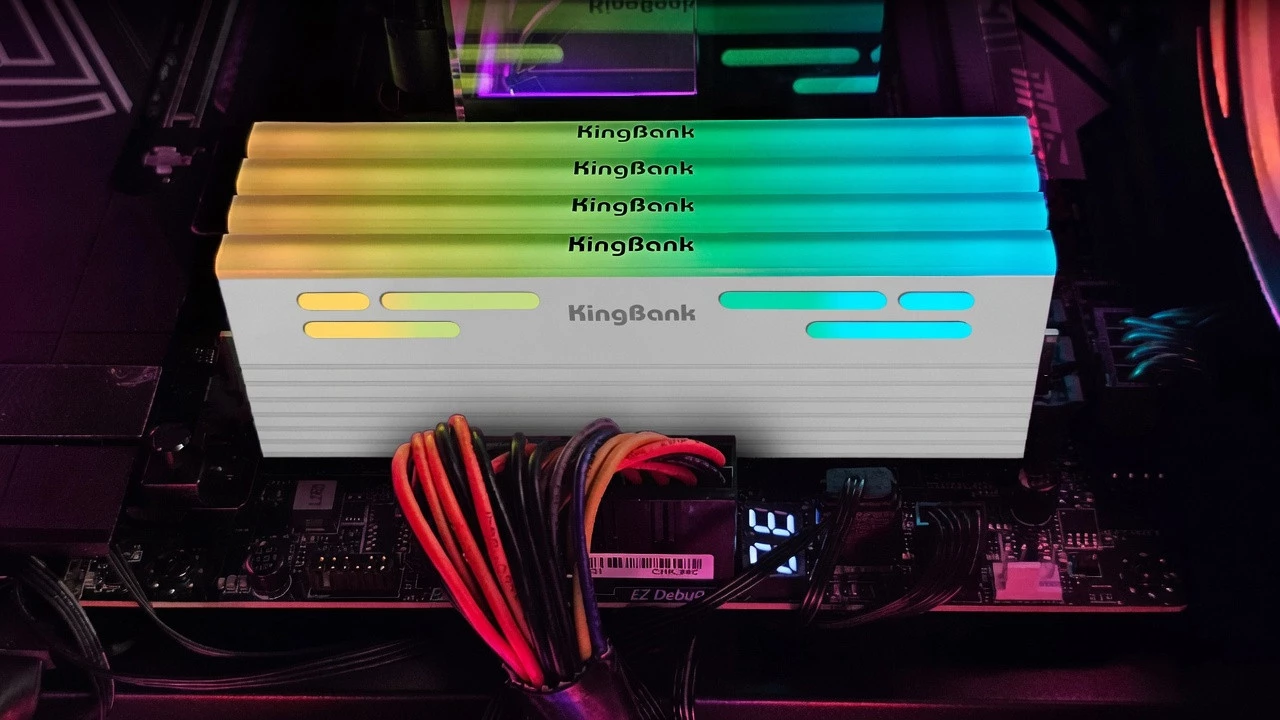
DDR5 memory modules manufactured by Chinese semiconductor company ChangXing Memory Technologies (CXMT) have recently captured the attention of the global tech community following comprehensive benchmark tests conducted by renowned overclocker Safedisk. The results have sparked intense debate about whether Chinese memory manufacturers can truly compete with established industry giants like Samsung, SK Hynix, and Micron. As geopolitical tensions continue to reshape global semiconductor supply chains, the emergence of viable Chinese alternatives represents a potentially significant shift in the memory market landscape.
CXMT’s Rise in the Memory Industry
ChangXin Memory Technologies, founded in 2016 and headquartered in Hefei, Anhui Province, represents China’s most ambitious effort to achieve self-sufficiency in DRAM production. The company has invested billions of dollars in developing domestic memory manufacturing capabilities, driven partly by government initiatives to reduce dependence on foreign semiconductor technology. CXMT began mass production of DDR4 memory in 2019 and has since expanded to DDR5 production, marking a significant milestone in China’s semiconductor development journey. The company’s facilities now boast production capabilities using advanced process nodes, though they still lag behind the cutting-edge technologies employed by Korean and American competitors.
The strategic importance of domestic memory production became particularly evident following U.S. export restrictions on advanced semiconductor equipment to China. These restrictions have accelerated Chinese efforts to develop indigenous alternatives across the entire semiconductor value chain. CXMT has emerged as a flagship project in this national initiative, receiving substantial government funding and support to bridge the technological gap with industry leaders.
Benchmark Results and Performance Analysis
Safedisk’s testing methodology involved rigorous evaluation of CXMT DDR5 modules across multiple parameters including raw bandwidth, latency characteristics, and overclocking potential. The results revealed a nuanced picture that defied simple categorization. While the Chinese modules demonstrated competitive performance in standard operating conditions, achieving speeds and latencies comparable to entry-level offerings from established manufacturers, they showed limitations when pushed to extreme overclocking scenarios. Memory enthusiasts noted that the chips exhibited higher voltage requirements and thermal characteristics that differed from premium Samsung or SK Hynix dies.
Specifically, the CXMT modules tested at DDR5-4800 base speeds with CAS latency timings that were within acceptable ranges for mainstream computing applications. However, when overclockers attempted to push frequencies beyond DDR5-6400, the modules required careful voltage management and cooling solutions to maintain stability. This contrasts with premium B-die or A-die memory from Korean manufacturers, which typically offer more headroom for enthusiast overclocking. Nevertheless, for average consumers who prioritize value over extreme performance, the CXMT offerings present a compelling proposition.
Market Implications and Industry Response
The emergence of competitive Chinese memory products has significant implications for global pricing dynamics and supply chain diversification. Industry analysts suggest that increased competition could benefit consumers through lower prices, even as it presents challenges for established manufacturers who have dominated the market for decades. Major memory producers have historically maintained tight control over supply to manage pricing, but the entry of Chinese competitors threatens to disrupt this equilibrium. Some market observers predict that CXMT’s growing production capacity could contribute to downward pressure on memory prices in the coming years.
However, the path forward for Chinese memory manufacturers remains complicated by ongoing trade restrictions and technology access limitations. Advanced EUV lithography equipment, essential for producing the most advanced memory chips, remains subject to export controls that prevent Chinese companies from acquiring the latest manufacturing tools. This technological barrier means that while CXMT can compete effectively in certain market segments, achieving parity with the most advanced products from Samsung or SK Hynix will require either breakthrough domestic innovations or changes in the geopolitical landscape.
Future Outlook and Consumer Considerations
For consumers considering CXMT memory products, the decision ultimately depends on individual priorities and use cases. Budget-conscious buyers seeking reliable DDR5 memory for everyday computing, gaming, or professional workloads may find these Chinese alternatives increasingly attractive as they become more widely available in global markets. The modules have demonstrated adequate performance for standard applications, and their competitive pricing could make DDR5 adoption more accessible to a broader audience. However, enthusiasts seeking maximum overclocking potential or those with specific compatibility requirements may still prefer established brands with longer track records and more extensive validation.
Looking ahead, CXMT’s continued investment in research and development suggests that performance gaps may narrow over time. The company has announced plans to expand production capacity and improve chip designs, indicating a long-term commitment to competing in the global memory market. As Chinese semiconductor capabilities continue to mature, the industry may witness further shifts in market dynamics, ultimately reshaping how consumers and businesses source their memory products in an increasingly multipolar technological landscape.
Expert Opinion: The emergence of competitive DDR5 memory from Chinese manufacturers like CXMT signals a pivotal moment in semiconductor industry dynamics. While current products may not match the absolute performance ceiling of Korean alternatives, the gap is narrowing faster than many analysts anticipated. Within three to five years, we could see Chinese memory products capturing significant market share in mainstream segments, fundamentally altering pricing structures and supply chain dependencies that have defined the industry for decades.