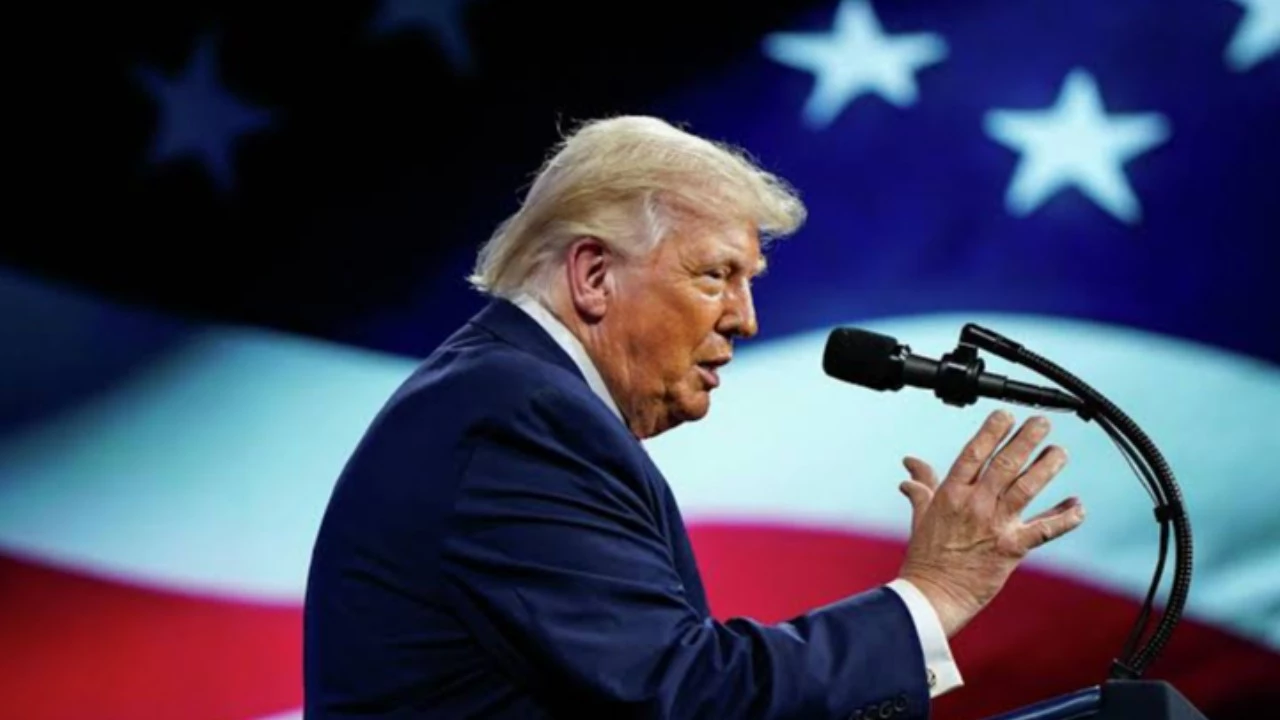
The Trump administration is preparing to grant Apple a special exemption that would allow the tech giant to purchase memory chips from Chinese manufacturers CXMT and YMTC, according to recent reports. This decision comes ahead of a highly anticipated September meeting between President Donald Trump and Chinese President Xi Jinping, and is already being interpreted in Washington as a potential diplomatic gesture toward Beijing. The move highlights the complex intersection of trade policy, technology competition, and personal relationships that has come to define the current era of US-China relations.
The exemption represents a significant departure from the broader US policy of restricting American companies’ access to Chinese semiconductor technology. For years, Washington has worked to limit the flow of advanced chip technology to China while simultaneously discouraging US firms from becoming dependent on Chinese suppliers. The Commerce Department has maintained strict export controls and entity lists that have effectively blacklisted numerous Chinese technology companies from doing business with American firms.
The Strategic Importance of Memory Chips
CXMT (ChangXin Memory Technologies) and YMTC (Yangtze Memory Technologies Corporation) are two of China’s most prominent domestic memory chip manufacturers. CXMT specializes in DRAM production, while YMTC focuses on NAND flash memory — both essential components in smartphones, computers, and data centers. Apple, as one of the world’s largest consumers of memory chips, has traditionally relied on suppliers from South Korea, Japan, and the United States for these critical components.
The potential deal would give Apple access to competitively priced memory chips while simultaneously providing Chinese manufacturers with a prestigious customer that could validate their technology on the global stage. Industry analysts estimate that Apple purchases tens of billions of dollars worth of memory chips annually, making any shift in its supply chain a significant market event. For YMTC and CXMT, supplying Apple would represent a major breakthrough in their efforts to compete with established players like Samsung, SK Hynix, and Micron.
Diplomatic Calculations and Trade Relations
The timing of this potential exemption is particularly noteworthy. With a Trump-Xi summit scheduled for September, the administration appears to be looking for ways to create a positive atmosphere for negotiations. US-China relations have been strained by ongoing trade disputes, technology competition, and geopolitical tensions over Taiwan and other regional issues. A gesture that benefits both a major American corporation and Chinese industry could serve as a confidence-building measure ahead of substantive talks.
Critics in Washington have already begun raising concerns about what they see as preferential treatment. The perception that companies with close relationships to the administration receive favorable policy decisions undermines the stated principle of fair and consistent enforcement of trade restrictions. Other American technology companies that have sought similar exemptions in the past have reportedly faced significant bureaucratic obstacles and lengthy review processes.
Implications for the Semiconductor Industry
The broader semiconductor industry is watching this development closely. If Apple successfully integrates Chinese memory into its supply chain, it could encourage other Western technology companies to follow suit, potentially accelerating China’s rise as a major player in the global chip market. This would run counter to stated US policy goals of maintaining technological leadership and limiting China’s semiconductor capabilities. The decision also raises questions about the consistency and predictability of US technology policy, which has become increasingly important for companies making long-term investment and sourcing decisions.
The memory chip market has become increasingly competitive in recent years, with prices fluctuating based on supply constraints, technological advances, and geopolitical factors. Chinese manufacturers have invested heavily in developing domestic capabilities, though they still lag behind Korean and American competitors in certain advanced technologies. An Apple partnership could provide the revenue and expertise transfer that helps close this gap more quickly than would otherwise be possible.
Expert Opinion: This exemption signals a pragmatic shift in Washington’s approach to technology trade with China, prioritizing diplomatic gains over strict enforcement of semiconductor restrictions. However, the precedent of granting case-by-case exceptions to politically connected companies risks undermining the coherence of US technology policy and may embolden other firms to seek similar treatment, potentially eroding the effectiveness of export controls designed to maintain American technological advantage.