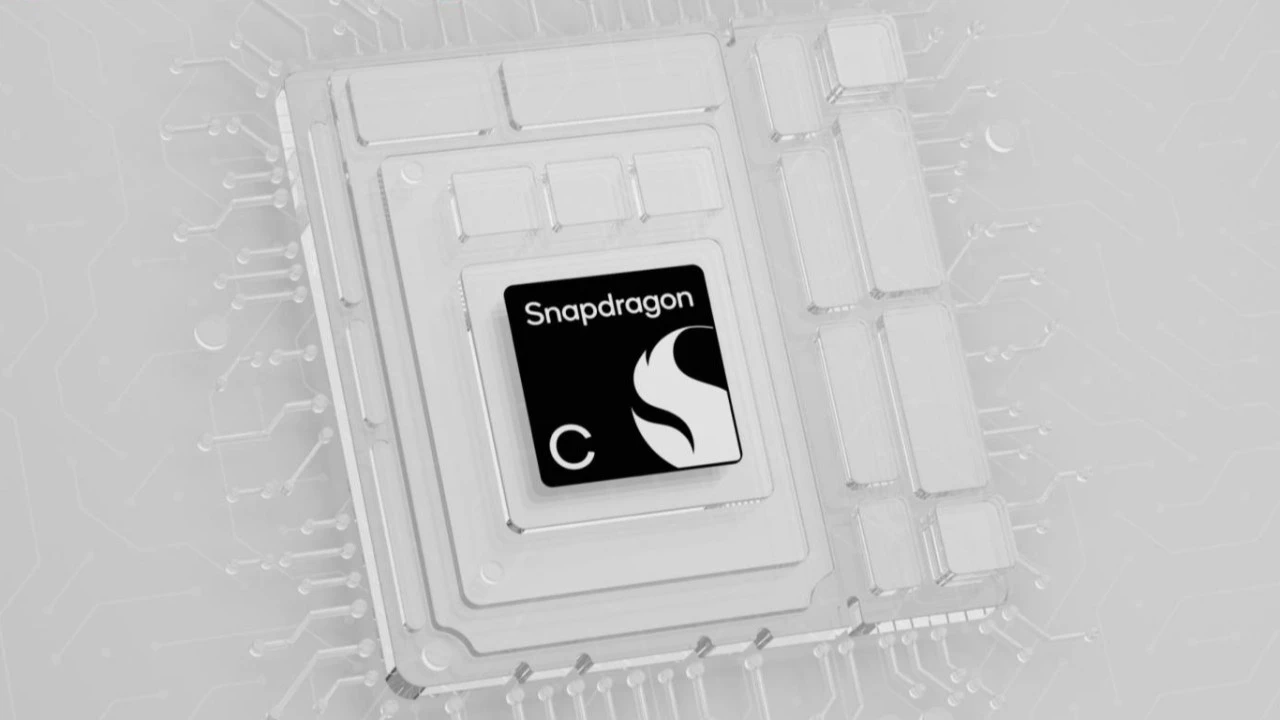
Qualcomm has officially unveiled detailed specifications for its new Snapdragon C ARM-based platform, specifically designed for ultra-budget laptops priced around $300. This strategic move marks Qualcomm’s aggressive push into the entry-level PC market, traditionally dominated by Intel and AMD processors. According to the company’s internal benchmarks, the new Snapdragon C chipset delivers approximately 67% better performance and energy efficiency compared to Intel’s N250 processor, which currently powers many budget-oriented notebooks in this price category.
Technical Specifications and Performance Advantages
The Snapdragon C platform represents Qualcomm’s answer to the growing demand for affordable yet capable computing devices. Built on ARM architecture, this processor leverages the same fundamental technology that powers billions of smartphones worldwide, bringing proven efficiency gains to the laptop market. The chip reportedly features optimized CPU cores designed specifically for lightweight computing tasks such as web browsing, document editing, video streaming, and basic productivity applications. Qualcomm claims that the power efficiency of the Snapdragon C enables significantly longer battery life compared to x86-based alternatives, a crucial factor for budget-conscious consumers who often prioritize mobility and all-day usability.
The performance advantage over Intel’s N250 processor is particularly noteworthy given the competitive landscape. Intel’s N-series chips, formerly known as Celeron and Pentium processors, have long been the default choice for manufacturers building entry-level laptops. However, these processors have faced criticism for sluggish performance and poor multitasking capabilities. Qualcomm’s claimed 67% improvement suggests that ARM-based alternatives could fundamentally reshape consumer expectations in the budget segment.
Market Context and Industry Implications
This announcement comes at a pivotal moment in the personal computing industry. The success of Apple’s M-series chips, which also utilize ARM architecture, has demonstrated that ARM processors can compete with and even surpass traditional x86 designs in both performance and efficiency. Microsoft has been steadily improving Windows on ARM compatibility, addressing one of the key concerns that previously limited adoption of ARM-based Windows devices. Major software vendors have been releasing native ARM versions of popular applications, reducing the need for emulation and improving overall user experience.
For consumers in emerging markets and budget-conscious buyers worldwide, the Snapdragon C platform could represent a significant upgrade in computing capability without a corresponding increase in price. Budget laptops have historically required compromises in speed, battery life, or build quality. If Qualcomm’s performance claims hold true in real-world testing, devices powered by Snapdragon C could offer a more balanced computing experience. Industry analysts suggest that this could pressure Intel and AMD to accelerate innovation in their own entry-level processor lines, potentially benefiting consumers across all price segments.
Future Outlook and Availability
Qualcomm has not yet announced specific release dates or manufacturing partners for Snapdragon C-powered laptops, though the company indicated that devices should reach retail markets within the coming months. Several major PC manufacturers have previously expressed interest in expanding their ARM-based laptop offerings, suggesting that consumer options could become available relatively quickly. The $300 price point positions these upcoming devices competitively against Chromebooks and basic Windows laptops, potentially offering a compelling alternative for students, first-time computer buyers, and users seeking secondary devices for light computing tasks.
Expert Opinion: Qualcomm’s entry into the ultra-budget laptop segment with the Snapdragon C platform signals a potential inflection point for ARM adoption in mainstream computing. If the claimed 67% performance advantage translates to tangible real-world improvements, we could see significant market share shifts away from Intel in the sub-$400 laptop category within 18-24 months. This competitive pressure will likely accelerate innovation across the entire processor industry, ultimately benefiting consumers at all price points.