
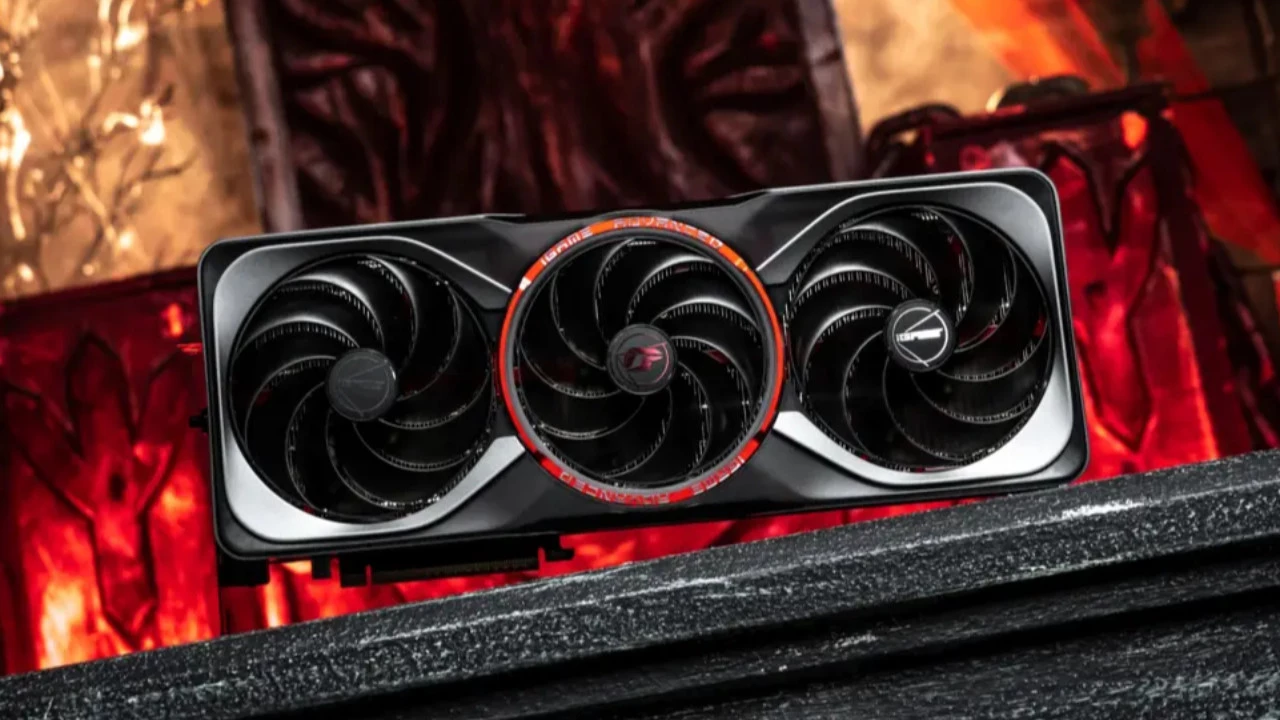
A recent breakthrough by PC enthusiasts has exposed what appears to be a significant thermal management concern with NVIDIA’s latest GeForce RTX 50 series graphics cards. After community members successfully restored the ability to monitor Hotspot temperatures—the measurement of the hottest point on a GPU die—alarming data has emerged that is now driving the first wave of product returns and warranty claims from concerned consumers.
The Hotspot temperature metric, also known as Junction Temperature, represents the peak thermal reading from any single point on the graphics processor. Unlike the standard GPU temperature displayed by most monitoring software, which typically shows an averaged reading across multiple sensors, the Hotspot value reveals the true thermal stress experienced by the most critical areas of the chip. This distinction is crucial because semiconductor reliability and longevity are directly tied to peak temperatures rather than averages.
The Discovery That Shook the Community
NVIDIA’s decision to restrict Hotspot temperature monitoring on the RTX 50 series initially went largely unnoticed by mainstream consumers. However, experienced overclockers and hardware enthusiasts quickly identified the missing metric and began working on methods to restore this functionality. Through modified drivers and third-party monitoring tools, they eventually succeeded in accessing the hidden temperature data—and what they found sparked immediate concern throughout the PC building community.
Reports from multiple users indicate Hotspot temperatures reaching dangerously high levels during standard gaming workloads, with some cards showing temperature differentials of 20-30 degrees Celsius between the reported GPU temperature and the actual Hotspot reading. In extreme cases, enthusiasts documented Hotspot temperatures exceeding 100°C while the displayed GPU temperature remained within seemingly acceptable ranges. This discrepancy has led many to question whether NVIDIA intentionally obscured this data to mask potential thermal design shortcomings.
Understanding GPU Thermal Dynamics
Modern graphics processors have grown increasingly complex, with the latest generation featuring billions of transistors packed into relatively small silicon dies. The RTX 50 series, built on NVIDIA’s latest architecture, pushes performance boundaries that inevitably generate substantial heat. Effective thermal management requires not just adequate cooling capacity but also proper heat spreading across the entire GPU die to prevent localized thermal buildup.
Historical context adds weight to these concerns. Previous GPU generations have experienced similar thermal challenges, with AMD’s Radeon VII notably featuring a similar Junction Temperature metric that sometimes showed readings significantly higher than average GPU temperatures. The industry has generally moved toward greater transparency regarding thermal data, making NVIDIA’s apparent step backward particularly noteworthy. Graphics cards operating consistently at elevated Hotspot temperatures may experience accelerated electromigration, transistor degradation, and ultimately reduced operational lifespan.
Consumer Response and Market Impact
The revelation has prompted a growing number of consumers to initiate return procedures with retailers and manufacturers. Online forums and social media platforms have seen an influx of users sharing their own Hotspot temperature discoveries and documenting their return experiences. Several major retailers have reportedly begun processing these returns, though the long-term implications for warranty policies remain unclear.
Industry analysts suggest this situation highlights the ongoing tension between performance marketing and thermal reality in the competitive graphics card market. Manufacturers face constant pressure to deliver higher frame rates and benchmark scores, sometimes at the expense of thermal headroom. NVIDIA has not yet issued an official response to the community’s findings, leaving consumers and investors alike wondering whether a broader acknowledgment or product revision might be forthcoming. The situation continues to evolve as more users gain access to accurate Hotspot monitoring tools and share their findings with the broader community.
Expert Opinion: This thermal transparency controversy could mark a turning point in how GPU manufacturers communicate thermal specifications to consumers. If NVIDIA fails to address these concerns adequately, we may see increased regulatory attention on hardware thermal disclosure standards and potentially lasting damage to consumer trust in flagship product launches. The coming weeks will be critical in determining whether this becomes an isolated incident or catalyzes broader industry accountability measures.