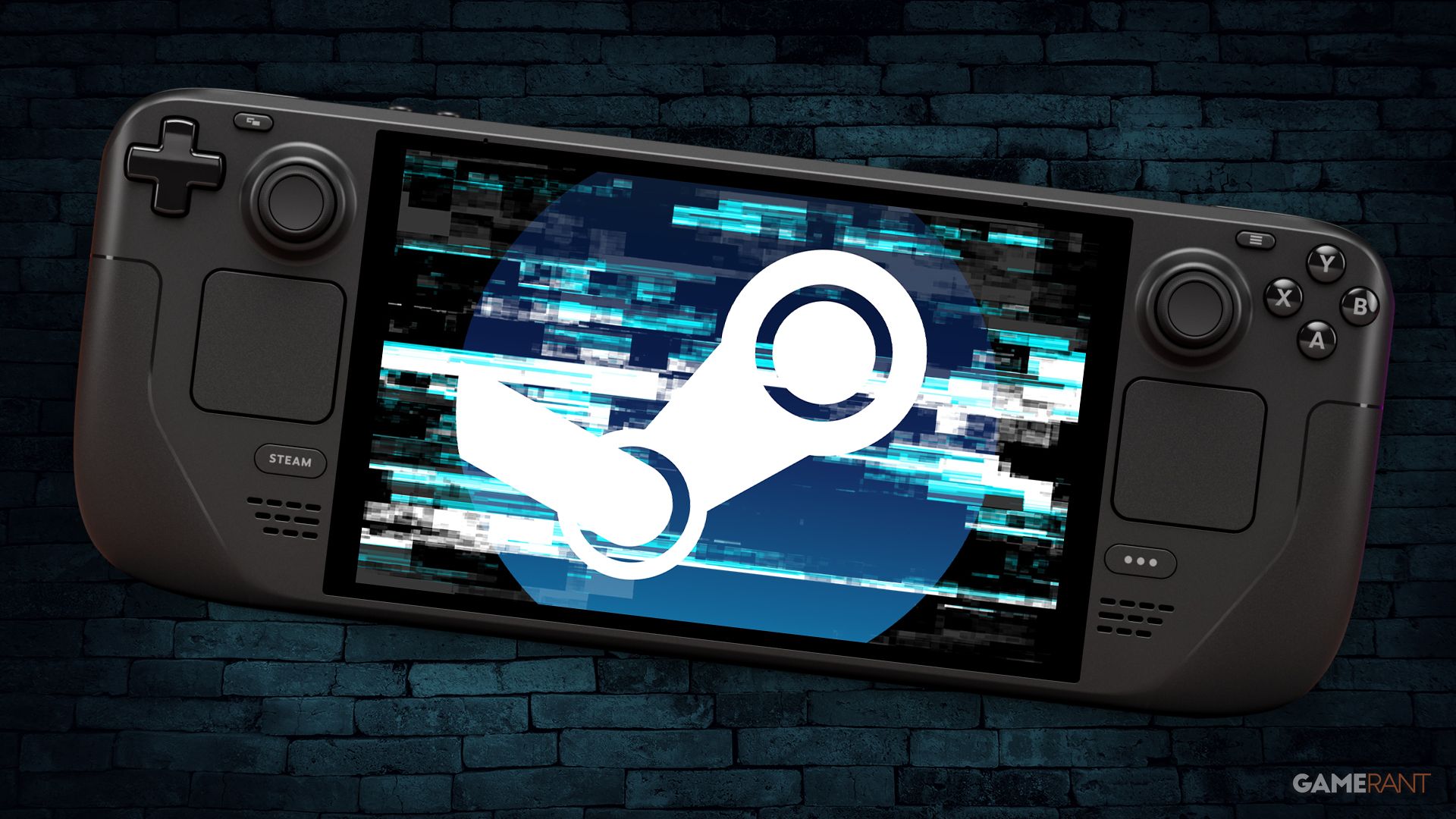
A Steam Deck owner has reported that a recent system update has completely disabled the handheld gaming device’s built-in screen, leaving the portable console functional only when connected to an external monitor. The troubling report highlights the potential risks associated with firmware updates on gaming hardware, even from well-established companies like Valve. The affected user discovered that following the update, the internal display would not produce any image, effectively transforming the portable gaming device into a stationary console that requires external display hardware to function.
Valve first launched the Steam Deck in February 2022, introducing a powerful Linux-based handheld gaming PC that quickly became one of the most successful portable gaming devices in recent memory. The company has maintained strong support for the device through regular SteamOS updates, which typically bring performance improvements, bug fixes, and compatibility enhancements for the ever-growing library of supported games. However, this latest incident serves as a reminder that even routine software updates can sometimes cause unexpected hardware complications.
Understanding the Technical Issue
The reported problem appears to affect the communication between the Steam Deck’s operating system and its integrated display panel. When system updates modify display drivers or related firmware components, there is always a small risk that compatibility issues may arise with certain hardware configurations. In this case, the update seems to have disrupted the device’s ability to recognize or properly communicate with its built-in seven-inch LCD screen, while external display output through the USB-C port continues to function normally. This suggests that the core graphics processing capabilities remain intact, but the internal display pathway has been compromised.
Technical experts note that such issues can stem from various causes, including corrupted display driver installations, incorrect firmware flashing, or conflicts between new software components and existing hardware configurations. The Steam Deck utilizes a custom AMD APU that handles both processing and graphics duties, with display output managed through integrated drivers within SteamOS. When updates to these drivers encounter unexpected errors during installation, the results can range from minor visual glitches to complete display failure as reported in this case.
Valve’s Track Record with Hardware Support
Valve has generally maintained a positive reputation for supporting its hardware products, including the original Steam Controller, Steam Link, and the Index VR headset. The company has demonstrated commitment to the Steam Deck through consistent software updates and has established repair programs for users experiencing hardware issues. Valve’s approach to the Steam Deck has been notably transparent, with the company providing repair guides and partnering with iFixit to offer replacement parts for users who prefer self-service repairs. This openness has earned praise from the right-to-repair community and has contributed to the device’s popularity among tech-savvy consumers.
For users affected by update-related issues, Valve typically offers several resolution paths. These may include rolling back to previous software versions, performing factory resets, or in cases of genuine hardware damage caused by software updates, warranty repairs or replacements. The Steam Deck comes with a standard one-year warranty that covers manufacturing defects and, in many cases, issues arising from official software updates. Users experiencing similar problems are encouraged to contact Valve’s customer support and document their issues thoroughly before attempting any DIY repair solutions.
Protecting Your Device from Update Issues
While software update complications are relatively rare, users can take several precautions to minimize risks. Experts recommend ensuring devices are fully charged before initiating system updates, avoiding interrupting updates once they begin, and maintaining backups of important data. Some users also choose to wait several days after major updates are released before installing them, allowing time for any widespread issues to be identified and addressed by the manufacturer. The Steam Deck community, active across various online forums and social media platforms, often serves as an early warning system for problematic updates, with users quickly sharing their experiences both positive and negative.
This incident also underscores the importance of manufacturers conducting thorough quality assurance testing before releasing updates to the public. As gaming hardware becomes increasingly sophisticated and software-dependent, the potential impact of problematic updates grows correspondingly. Valve and other hardware manufacturers must balance the need for timely updates with rigorous testing protocols to prevent situations where users find their devices rendered partially or fully inoperable by routine maintenance procedures.
Expert Opinion: This incident highlights an ongoing challenge in the gaming hardware industry where the line between software and hardware functionality continues to blur. As devices like the Steam Deck rely heavily on firmware and driver updates for optimal performance, manufacturers must invest significantly in update testing across all hardware variations. Moving forward, we may see companies implement more robust rollback mechanisms and pre-update hardware verification checks to prevent similar situations from affecting consumers.