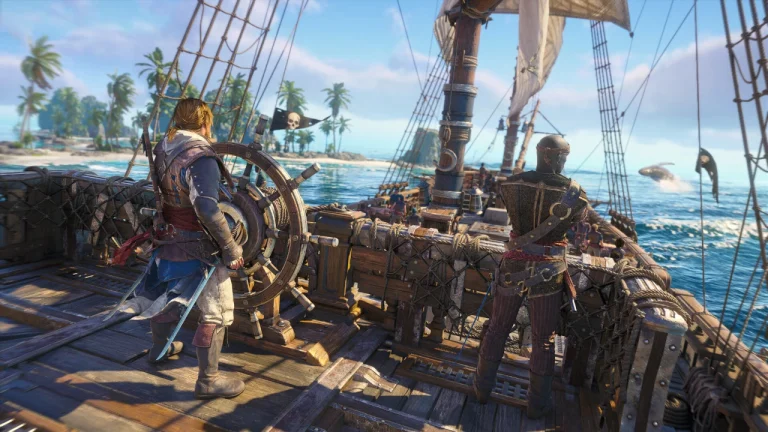
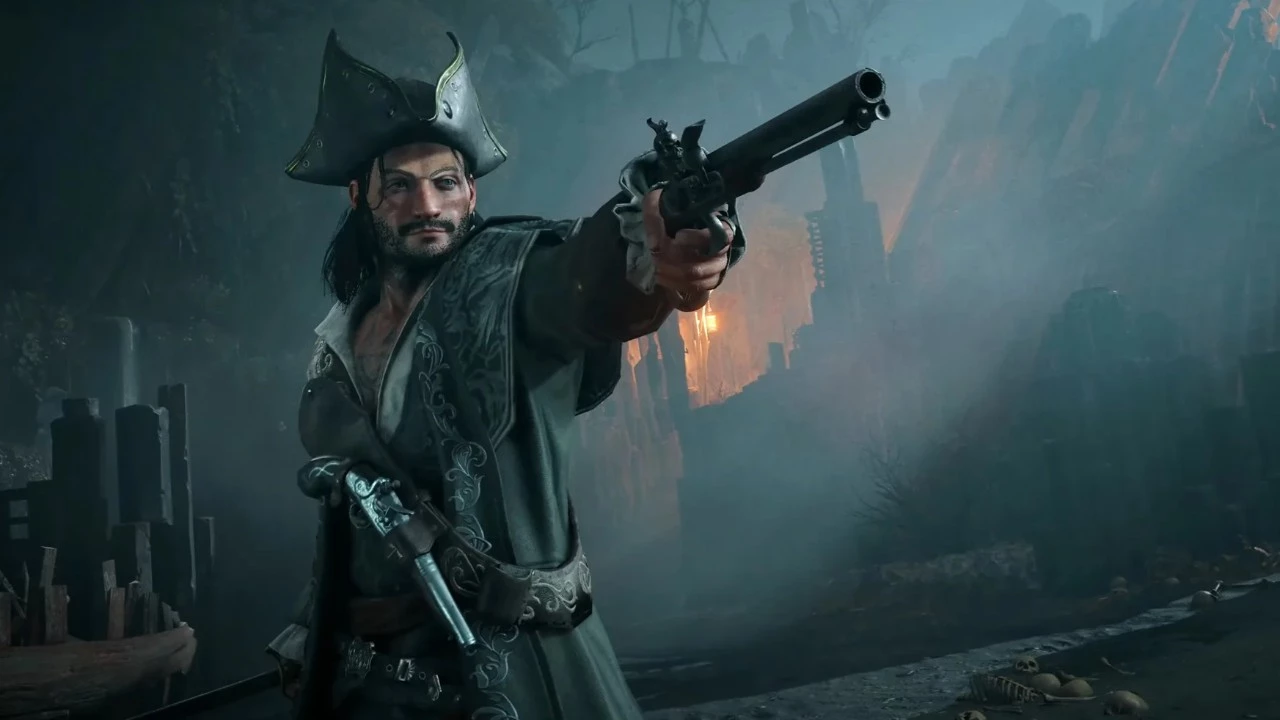
In what many industry observers are calling a remarkable display of persistence, Ubisoft’s pirate-themed action game Skull and Bones is preparing to launch another substantial content update. Despite facing waves of criticism since its troubled launch and skepticism about its long-term viability, the naval combat title continues to chart its course forward with a fresh batch of content that includes a new vessel, an additional faction, and numerous quality-of-life improvements that players have been requesting for months.
A Troubled Voyage From the Start
Skull and Bones has had one of the most tumultuous development histories in modern gaming. Originally announced at E3 2017, the game spent over seven years in development hell, going through multiple reboots and directional changes before finally launching in February 2024. The extended development period reportedly cost Ubisoft hundreds of millions of dollars, making it one of the most expensive video games ever produced. When the game finally reached players, reviews were decidedly mixed, with critics praising the naval combat mechanics while criticizing the repetitive gameplay loop and lack of meaningful content diversity.
The game’s live-service model has been both its lifeline and its burden. Unlike traditional single-player releases that can fade gracefully into obscurity after launch, live-service titles require constant investment and player engagement to justify their ongoing development costs. For Skull and Bones, this has meant a steady stream of updates and seasonal content drops, even as player numbers have fluctuated significantly since launch. Ubisoft’s commitment to the title has surprised many analysts who expected the publisher to cut its losses early.
What the New Update Brings to the High Seas
The upcoming update represents one of the more substantial content additions since the game’s release. Players will gain access to a completely new ship class, expanding the tactical options available for both solo players and those participating in group activities. The introduction of a new faction adds fresh narrative elements and presumably new questlines, rewards, and reputation tracks to pursue. Perhaps more importantly for the existing player base, the update addresses numerous quality-of-life concerns that have been voiced repeatedly in community forums and social media discussions.
Quality-of-life improvements in live-service games often prove more valuable than flashy new content, as they address the fundamental friction points that can drive players away over time. These refinements typically include streamlined inventory management, improved navigation systems, better matchmaking, and reduced grind requirements. While Ubisoft has not detailed every improvement included in this particular update, the acknowledgment that such changes are coming suggests the development team is actively listening to community feedback and prioritizing player retention alongside content expansion.
The Broader Context of Live-Service Survival
Skull and Bones exists in an increasingly crowded and unforgiving live-service marketplace. Recent years have seen numerous high-profile failures in this space, with games like Anthem, Babylon’s Fall, and Marvel’s Avengers shutting down their servers after failing to maintain viable player populations. The success stories, such as Destiny 2, Final Fantasy XIV, and Sea of Thieves, demonstrate that recovery and growth are possible but require sustained commitment and genuine responsiveness to player needs. Sea of Thieves, in particular, offers an instructive comparison, having launched to similar criticism in 2018 before transforming into a beloved title through years of consistent updates and improvements.
For Ubisoft, the continued support of Skull and Bones represents both a financial gamble and a statement of intent about the company’s live-service strategy. The publisher has openly committed to expanding its portfolio of ongoing multiplayer experiences, viewing them as more sustainable revenue streams than traditional single-purchase releases. Whether Skull and Bones can eventually justify its enormous development investment remains to be seen, but the game’s refusal to sink beneath the waves demonstrates an unusual tenacity in an industry often quick to abandon underperforming products.
Expert Opinion: The continued investment in Skull and Bones signals Ubisoft’s recognition that abandoning such a high-profile project would damage both consumer trust and investor confidence in their live-service capabilities. If the development team can successfully iterate toward a more compelling core experience, the game could follow the trajectory of Sea of Thieves and eventually find its audience. However, the window for such a turnaround is narrowing, and the next six months will likely prove decisive for the title’s long-term survival.