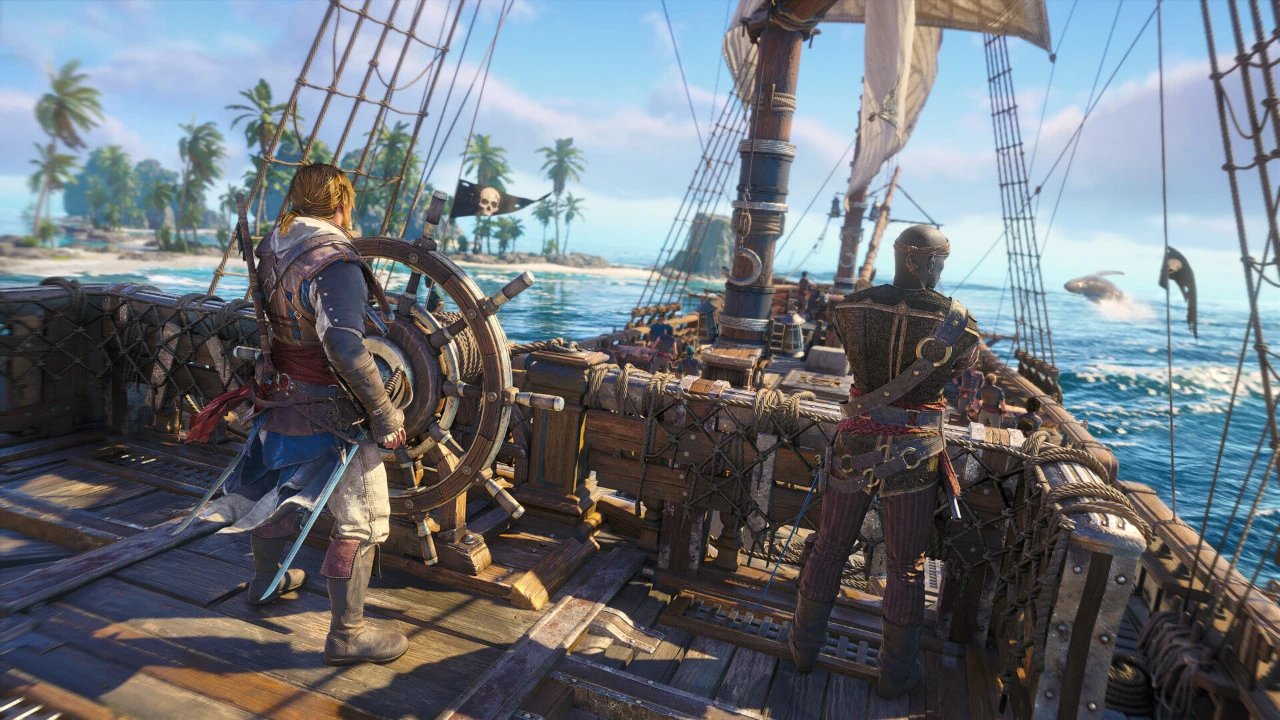
The gaming world has witnessed another significant development in the ongoing battle between game publishers and the piracy scene. The notorious hacker known as voices38 has successfully cracked Assassin’s Creed Black Flag Resynced, Ubisoft’s newly released remastered edition of the beloved 2013 pirate adventure. This latest breach comes remarkably soon after the game’s launch, demonstrating the hacker’s impressive technical capabilities and relentless productivity in bypassing modern digital rights management systems.
What makes this achievement particularly noteworthy is the timing. The gaming community had barely recovered from the July cracking of Assassin’s Creed Shadows, which had managed to hold out for an unprecedented sixteen months before its protection was compromised. The rapid succession of these cracks suggests that voices38 has either developed new techniques or has become increasingly familiar with the specific DRM implementations used by Ubisoft.
The Evolution of Game Copy Protection
The cat-and-mouse game between game publishers and hackers has been ongoing since the early days of PC gaming. Modern games typically employ sophisticated protection systems like Denuvo Anti-Tamper technology, which has become the industry standard for major AAA releases. Denuvo works by encrypting game executables and requiring constant server authentication, making it extremely difficult—though clearly not impossible—to circumvent. Publishers invest millions in these protection systems, hoping to secure at least a few months of sales before pirated versions become available.
Historically, the initial weeks and months after a game’s release represent the most critical sales period. Publishers argue that DRM protection during this window is essential for recouping development costs, which for major titles like Assassin’s Creed can exceed hundreds of millions of dollars. However, critics point out that DRM often negatively impacts legitimate customers through performance issues and always-online requirements, while determined pirates eventually find ways around these barriers.
Black Flag Resynced: A Fresh Take on a Classic
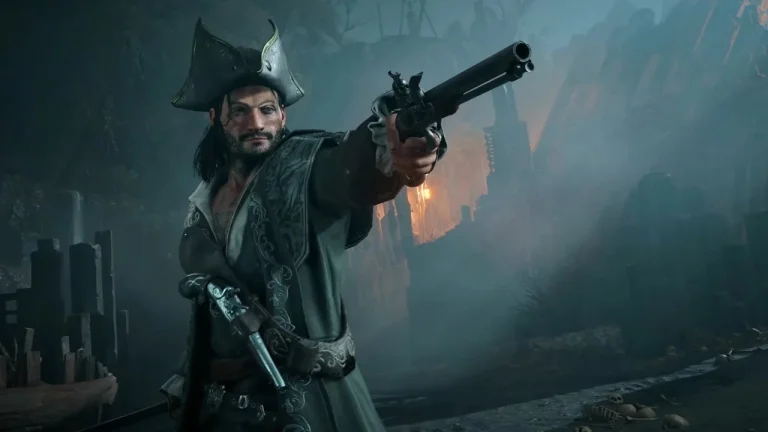
Assassin’s Creed Black Flag Resynced represents Ubisoft’s effort to bring one of the franchise’s most beloved entries to modern platforms with enhanced graphics, improved performance, and updated gameplay mechanics. The original Black Flag, released in 2013, is widely considered one of the best games in the Assassin’s Creed series, praised for its open-world naval exploration, engaging pirate narrative, and the charismatic protagonist Edward Kenway. The remastered version was highly anticipated by fans who wanted to experience the Caribbean adventures with contemporary visual fidelity.
The swift cracking of this remastered title raises questions about Ubisoft’s DRM strategy going forward. Some industry analysts suggest that the company may need to reconsider its approach to copy protection, potentially investing in alternative methods or accepting that perfect protection is an unattainable goal. Meanwhile, legitimate consumers continue to debate whether the inconveniences imposed by DRM are justified when pirates can bypass these measures relatively quickly.
Industry Implications and Future Outlook
The activities of hackers like voices38 have broader implications for the gaming industry. While publishers view piracy as a direct threat to their revenue, some studies suggest the relationship between piracy and sales is more complex. Certain consumers who pirate games would never have purchased them at full price, while others use pirated copies as extended demos before deciding to buy. Nevertheless, the industry continues to invest heavily in protection technologies, creating an endless cycle of protection and circumvention.
As gaming moves increasingly toward cloud-based and subscription models, traditional DRM may eventually become obsolete. Services like Xbox Game Pass, PlayStation Plus, and Ubisoft+ offer alternative approaches where the game itself becomes less important than access to an ever-expanding library. Until that transition is complete, however, the battle between publishers and pirates will likely continue, with hackers like voices38 remaining key figures in this ongoing digital conflict.
Expert Opinion: The rapid cracking of Black Flag Resynced suggests that current DRM solutions are reaching their practical limits against determined and skilled hackers. Industry observers predict that publishers will increasingly shift toward live-service models and cloud gaming to combat piracy, as these approaches make traditional cracking methods largely irrelevant. The next five years may see a fundamental transformation in how games are distributed and protected.