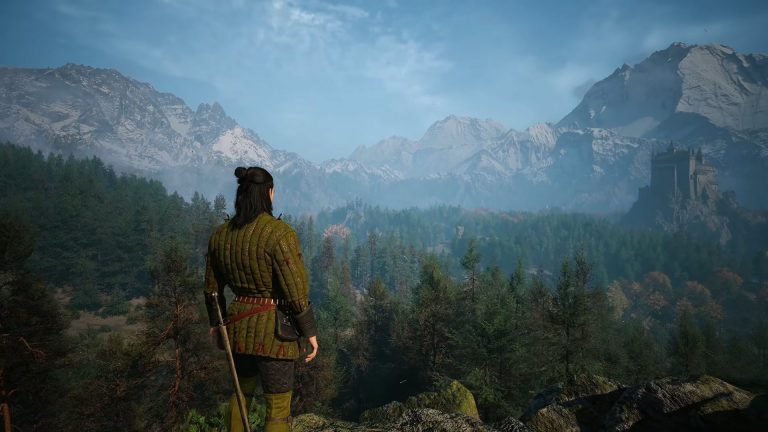
Netflix has shuttered two additional game development studios, marking another significant setback in the streaming giant’s troubled expansion into the gaming industry. The company confirmed the closure of Night School Studio, the acclaimed developer behind the atmospheric adventure game Oxenfree, and Moonloot, a Helsinki-based studio that never managed to release a single title under Netflix’s ownership. The news, first reported by Stephen Totilo at Game File, raises serious questions about Netflix’s long-term commitment to gaming despite the company’s continued assertions that interactive entertainment remains a priority.
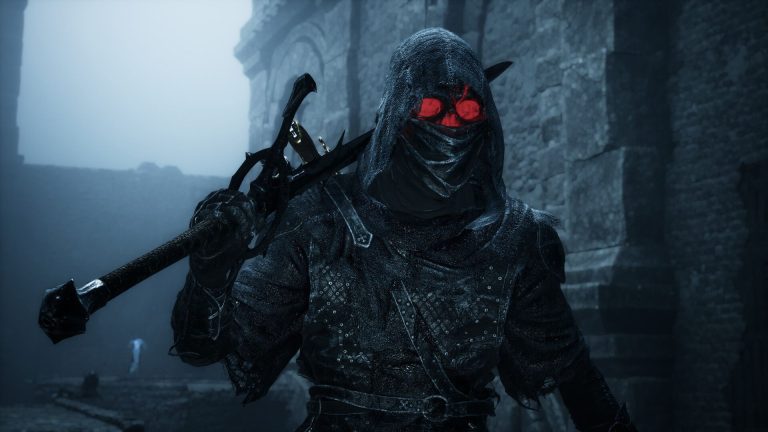
The closures come at a particularly awkward time for Night School, which had just released Unhinged in June 2025. The interactive horror experience, designed as a 30-minute first-person narrative game, represented exactly the kind of innovative storytelling Netflix claimed to be pursuing in the gaming space. Netflix co-CEO Greg Peters had even praised the game’s solid performance numbers, making the subsequent decision to close the studio all the more surprising to industry observers.
A Pattern of Failed Gaming Investments
The latest closures are part of a troubling pattern that has plagued Netflix’s gaming ambitions since the company first entered the market. Netflix acquired Night School Studio in 2021, drawn by the developer’s reputation for crafting narrative-driven experiences like Oxenfree and its sequel. Moonloot, acquired in 2022, was brought into the fold with similar high hopes but ultimately produced nothing for the platform. These acquisitions occurred under the leadership of Mike Verdu, who served as Netflix’s gaming chief from 2021 to 2024 and championed an aggressive strategy of building and acquiring development studios with a focus on mobile gaming.
The graveyard of Netflix gaming ventures continues to grow. In 2024, the company shut down Team Blue, an ambitious internal studio staffed with veteran developers from Call of Duty and Halo franchises who were working on a high-end first-person shooter. That same period saw the closure of Boss Fight Entertainment, the studio responsible for the Squid Game mobile adaptation. In December 2025, Netflix sold Spry Fox, a developer known for cozy gaming experiences, back to its original founders. Perhaps most troublingly, Delphi Interactive, which created the FIFA World Cup game for Netflix, saw its contractor studio Refactor Games lay off 85% of its staff after Netflix ended funding.
Strategic Pivot Under New Leadership
The studio closures reflect a fundamental shift in Netflix’s gaming philosophy under new leadership. When Alain Tascan took over as head of games in 2024, he inherited Verdu’s mobile-focused strategy and promptly began dismantling it. Tascan’s vision centers on cloud-streamed games playable on televisions and PCs, with smartphones serving as controllers rather than primary gaming devices. This approach represents a dramatic departure from the conventional mobile gaming market that Netflix initially targeted. Unhinged, despite being developed under the previous strategy, happened to align with this new direction by working as a streamed experience.
Despite the mounting evidence of strategic confusion, Netflix maintains that gaming remains central to its future plans. A company spokesperson told reporters that games continue to represent an opportunity to expand entertainment offerings for subscribers. The company highlighted several current focus areas including kids’ games like Netflix Playground, party experiences such as Netflix Minigolf, narrative titles like Unhinged, and mainstream offerings including the FIFA World Cup game. Netflix expressed particular enthusiasm about momentum in cloud gaming and children’s content, suggesting these categories will receive priority attention going forward.
The Remaining Pieces
Netflix’s gaming division now stands dramatically reduced from its peak ambitions. The company retains only one internal development studio: Helsinki-based Next Games, which specializes in creating party games designed for shared couch experiences. Beyond this single remaining studio, Netflix relies on relationships with various third-party developers to produce content for its gaming platform. The company also maintains a central gaming team that coordinates with external partners, though the scope and budget of these collaborations remain unclear following the recent restructuring.
The human cost of Netflix’s gaming struggles continues to mount. While the company has not disclosed specific numbers regarding job losses from the Night School and Moonloot closures, previous shutdowns have resulted in significant layoffs across multiple studios. Netflix expressed gratitude to departing employees in a statement, thanking them for their contributions while offering best wishes for future endeavors. Industry analysts note that the gaming sector has experienced widespread layoffs over the past two years, with thousands of developers losing positions as companies across the entertainment landscape reassess their interactive entertainment investments.
Industry Implications and Future Outlook
Netflix’s gaming misadventures reflect broader challenges facing entertainment companies attempting to diversify into interactive media. The streaming wars have pushed major platforms to seek differentiation, with gaming appearing as an attractive value-add for subscribers. However, game development requires fundamentally different expertise, timelines, and capital allocation than film or television production. Netflix’s repeated pivots between mobile, premium console-style experiences, and cloud gaming suggest the company has yet to identify a sustainable approach that leverages its core strengths as an entertainment platform.
The streaming giant’s remaining gaming assets and stated priorities suggest a future focused on lightweight, accessible experiences rather than the ambitious narrative adventures that studios like Night School specialized in creating. Whether this narrower focus will yield better results remains to be seen, but the company’s track record offers little reason for optimism among gaming industry observers.
Expert Opinion: Netflix’s repeated gaming failures suggest a fundamental disconnect between streaming media expertise and game development realities. The company’s constant strategic pivots—from mobile to cloud to TV-centric experiences—indicate leadership uncertainty rather than genuine market testing. Unless Netflix commits to a coherent long-term vision with appropriate patience for development cycles that span years rather than quarters, its gaming division will likely continue hemorrhaging studios and talent while competitors like Apple Arcade and Xbox Game Pass establish stronger footholds in the subscription gaming market.