Madden NFL Series History: How John Madden Football Became an Annual Institution
From a 1988 Apple II release to Madden NFL 27: how EA's football series grew, won an exclusive NFL license and became a yearly ritual.
Few video game series are as tied to the calendar as Madden NFL. Every August a new edition arrives, rosters are refreshed, a cover athlete is debated for weeks, and millions of players start a new franchise save. That rhythm feels permanent now, but it was built over more than three decades of experiments, platform shifts, licensing battles and one very particular broadcaster who insisted the game feel like real football. This history walks through how a modest computer game from the late 1980s became the only licensed NFL simulation on the market.
The Beginning: John Madden Football (1988)
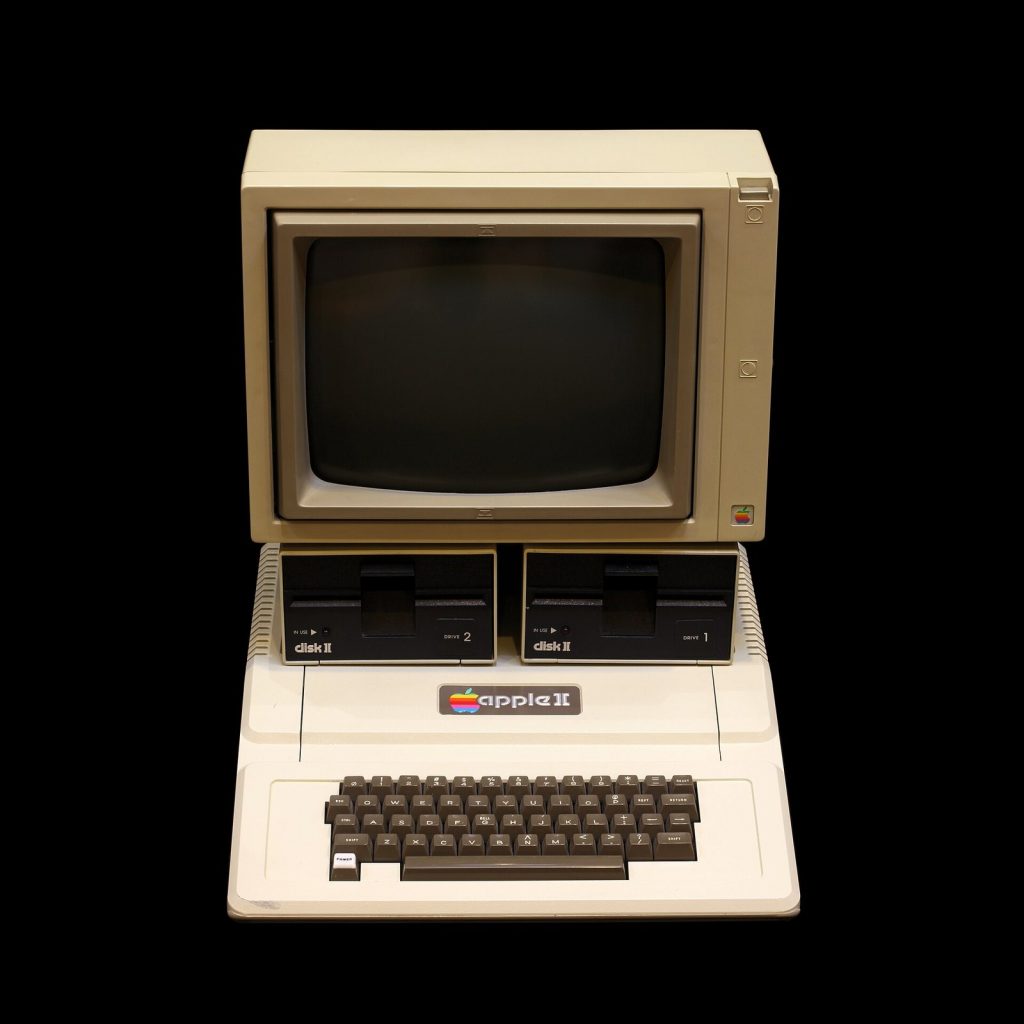
The series started as John Madden Football, released by Electronic Arts in 1988 for the Apple II, with versions for MS-DOS and the Commodore 64/128 also listed among the early releases. EA founder Trip Hawkins conceived the project and, in 1984, asked John Madden, the former NFL coach who had become one of the sport’s best-known broadcasters, to lend his name and expertise. Because Madden avoided flying, the two famously met on an Amtrak train trip.
Madden’s influence shaped the project from the start. Early plans called for six or seven players per side because of hardware limits, but Madden refused to put his name on anything less than full 11-on-11 football. That demand made development much harder: designer Joe Ybarra and developer Robin Antonick spent around three years on the game, more than twice the typical development time of the era, and the project was nicknamed “Trip’s Folly” inside EA. Bethesda Softworks was brought in to help finish it but left within a year after a dispute with EA. Still, the insistence on authenticity became the series’ identity: Madden was never supposed to be an arcade football game with a famous name on the box.
Over the years several external studios worked on Madden games, including Bethesda, Visual Concepts and Stormfront Studios. Development eventually settled at the Orlando studio founded in 1994 as Tiburon Entertainment, which EA bought outright in 1998. It was known as EA Tiburon until 2023 and is now EA Orlando; it has worked on Madden since 1995.
The Genesis Era: Madden Finds Its Audience
The real breakthrough came on consoles. In early 1990, EA hired Park Place Productions to build a Sega Genesis version. That release vastly outperformed expectations: it is reported to have sold around 400,000 copies against an expected 75,000, becoming the first major hit of the series and helping the Genesis compete with the Super NES. For a sports game in 1990, that was a sign that console players wanted something deeper than the arcade football titles of the time.
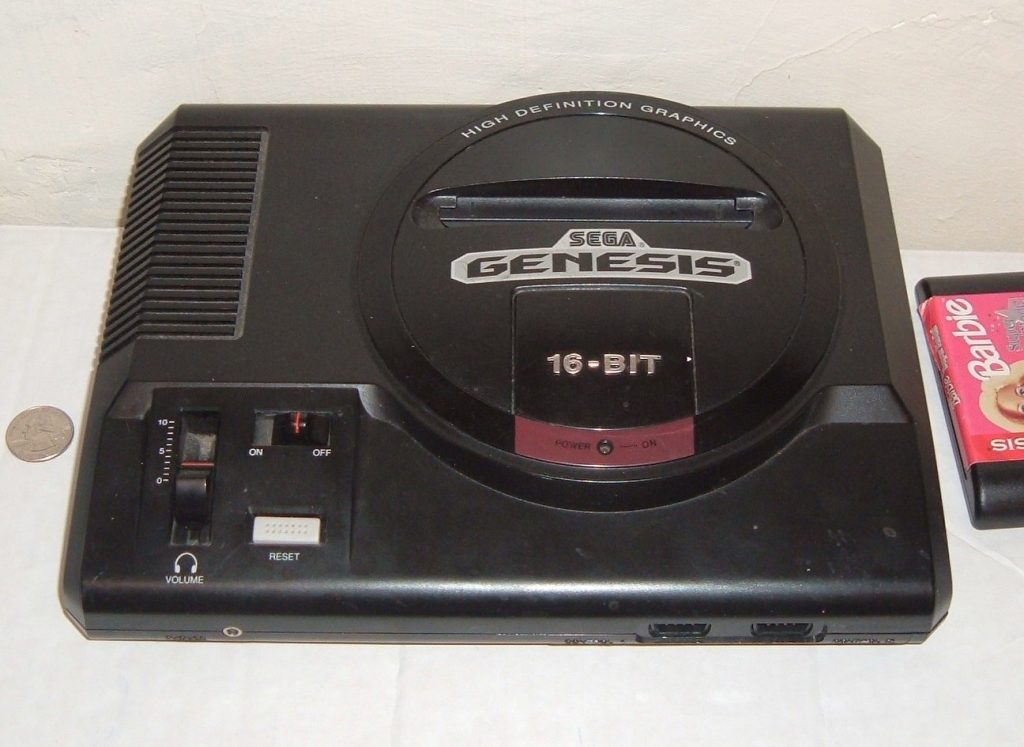
The Genesis years established several habits that still define the series:
- Annual releases. Instead of one game supported for years, EA began producing a new edition every season, eventually naming each one after the upcoming year.
- Play calling as the heart of the game. Choosing formations and plays from a playbook, rather than just running and passing freely, gave Madden a strategic layer that rewarded football knowledge.
- A TV-style presentation. With Madden himself involved in commentary and design, the game borrowed the look and vocabulary of a broadcast.
For most of the 1990s, John Madden appeared on nearly every cover himself. That changed at the end of the decade, which matters for a piece of football folklore covered further down.
Franchise Mode and the 3D Transition
The late 1990s and early 2000s brought two changes that reshaped the series. The first was the move to 3D on PlayStation and later consoles. The second, arguably more important for long-term players, was Franchise mode, introduced in Madden NFL ’99. Franchise let players run a team across multiple seasons, handling the draft, free agency and aging rosters instead of playing isolated games. It turned Madden from a game you played for an evening into one you lived in for months.
The series then moved onto the new hardware generation. Madden NFL 2001, released in 2000, is listed for PlayStation 2 among its platforms, and the following years added deeper presentation, more detailed player models and an ever-larger feature list. If you want to understand how those long-running team management tools work today, our explainer on franchise modes breaks them down across several series.
Experiments with career play
In Madden NFL 06 (2005), EA introduced Superstar mode, which put players in control of a single created athlete rather than a whole team. The idea would be revisited many times: Madden NFL 13 replaced the old online franchise with Connected Careers, merging coach and player careers into one structure, and Madden NFL 20 (2019) revamped the player-focused path as Face of the Franchise: QB1.
The Exclusive NFL License (2004)
The single biggest turning point in Madden’s business history happened off the field. In the early 2000s, Madden faced a serious rival in Sega’s NFL 2K series, developed by Visual Concepts (the studio better known today for NBA 2K). Competition between the two pushed both forward on features and presentation.
On December 13, 2004, EA and the NFL announced an exclusive licensing agreement. The original deal ran through 2009 and was later extended to 2013. In May 2020, EA and the NFL announced a multi-year renewal extending EA’s exclusive simulation rights through 2026, with reporting at the time noting an option for an additional year tied to EA meeting targets. The practical result of the 2004 deal was immediate: NFL 2K-branded simulation projects stopped, and Madden became the only game that could use NFL teams, players and stadiums in a full simulation.
2K did return to NFL-licensed games in 2020, but not with a simulation in direct competition with Madden. For more than two decades, then, Madden has been the only place to play a licensed NFL simulation, which explains both its enormous reach and the frequent criticism that a lack of competition slowed innovation.
Key Milestones of the Modern Era
From the late 2000s onward, the series accumulated features that now feel standard. Here are some of the verified milestones:
| Edition (release year) | Milestone |
|---|---|
| Madden NFL ’99 (1998) | Franchise mode introduced |
| Madden NFL 06 (2005) | Superstar mode introduced |
| Madden NFL 10 (2009) | Ultimate Team introduced |
| Madden NFL 13 (2012) | Connected Careers replaces Online Franchise |
| Madden NFL 25 (2013) | 25th-anniversary edition, Barry Sanders and Adrian Peterson covers |
| Madden NFL 18 (2017) | First Madden on the Frostbite engine |
| Madden NFL 19 (2018) | Released on Windows again, after the PC version was dropped from 2008’s Madden 09 |
| Madden NFL 20 (2019) | Face of the Franchise: QB1 |
| Madden NFL 26 (2025) | Launched on Nintendo Switch 2 alongside other platforms |
| Madden NFL 27 (2026) | Franchise overhaul built on a new “persona engine” |
Ultimate Team arrives
Madden Ultimate Team debuted with Madden NFL 10 in 2009. It introduced card-based team building, where players collect player items and assemble a squad. Over the following decade it became one of the most-played parts of the game, and it drew criticism for growing monetization. If you are new to this kind of mode, our neutral explainer on how Ultimate Team modes work covers the basics, including pack probability disclosure and spending controls.
The Frostbite switch
Madden NFL 18 in 2017 moved the series to Frostbite, the engine EA uses across many of its studios. The change brought new lighting and visual possibilities but also a long period of adjustment, as animation and physics systems were reworked around the new technology.
The “Madden Curse”
No history of the series is complete without the Madden curse. Since around 2000, the cover has usually featured a top NFL player rather than John Madden himself. Fans noticed that several cover athletes went on to suffer injuries or a dip in performance in the following season, and the pattern became known as the “Madden curse.” Some fans even lobbied against their favorite players being chosen.
It is worth being clear about what the curse is: cultural lore, not a statistical law. NFL players get injured often, and cover athletes are usually chosen after career-best seasons, so some regression afterward is expected. EA leaned into the joke at one point, announcing a comedy film about the curse in 2010 before saying in 2014 that it was not in development. When Patrick Mahomes, the Madden NFL 20 cover athlete, went on to win Super Bowl LIV, many fans treated it as the moment the curse was broken.
Cover selection has become an event in itself. Examples include Barry Sanders on the 2013 anniversary edition, Tom Brady on Madden NFL 18, a shared cover on Madden NFL 22 with Brady and Mahomes, Christian McCaffrey on the 2024 edition (titled Madden NFL 25), Saquon Barkley on Madden NFL 26 and Chicago Bears quarterback Caleb Williams on Madden NFL 27.
John Madden’s Legacy
John Madden retired from broadcasting and from video game commentary in 2009, but his involvement in the game’s development reportedly increased afterward rather than ending. He died on December 28, 2021. Madden NFL 23 paid tribute by putting him back on the cover.
His lasting contribution is less about any single feature than about a philosophy. From his early insistence on full-roster football to his long involvement in the series, Madden helped set the expectation that a football video game should teach and reward real football thinking: reading coverages, choosing the right play, managing the clock. Our Madden beginner’s guide shows how much of that DNA is still visible in the modern play-call screen.
Madden NFL Today: Where the Series Stands (as of October 2026)
As of October 2026, the current edition is Madden NFL 27, developed by EA Orlando and published by EA Sports. It is the 37th installment in the series. It launched August 13, 2026 on PlayStation 5, Xbox Series X/S, Windows and Nintendo Switch 2, with an earlier August 4 release listed for Apple platforms. EA’s headline change was a franchise overhaul built on a new “persona engine” that affects player behavior, negotiations and free agency, alongside more detailed contracts and updated defensive AI.
The annual cycle continues in a recognizable shape:
- Franchise remains the home for long-term team management, still the mode with the deepest roots in the series.
- Superstar-style career play continues the line that began with Superstar mode in Madden NFL 06.
- Madden Ultimate Team remains the card-collecting team mode.
- Exhibition, online head-to-head and practice modes cover quick games and skill-building.
Why Madden Became an Institution
Looking back, a handful of factors explain how John Madden Football became a yearly ritual rather than a one-off licensed product:
- Early commitment to authenticity. Full rosters, real playbooks and a respected football mind on the box gave the series credibility from the start.
- The console boom. The Genesis version arrived exactly as home consoles were becoming the main place people played sports games.
- Franchise mode. Multi-season play gave fans a reason to stay with each edition for months.
- Exclusivity. The 2004 license deal removed licensed simulation competition, making Madden the default choice for NFL fans.
- Cultural presence. Cover reveals, ratings releases and even the Madden curse turned the game into part of the football conversation itself.
Whether exclusivity has been good for the series creatively is a long-running debate. But the core idea John Madden championed in the 1980s, that a football game should feel like real football, is still what every new edition is measured against.