NBA 2K Series History: From Sega Dreamcast to Today
How NBA 2K grew from a 1999 Dreamcast game into basketball's dominant series: the 2K era, MyCAREER, Jordan and Mamba tributes, and NBA Live's decline.
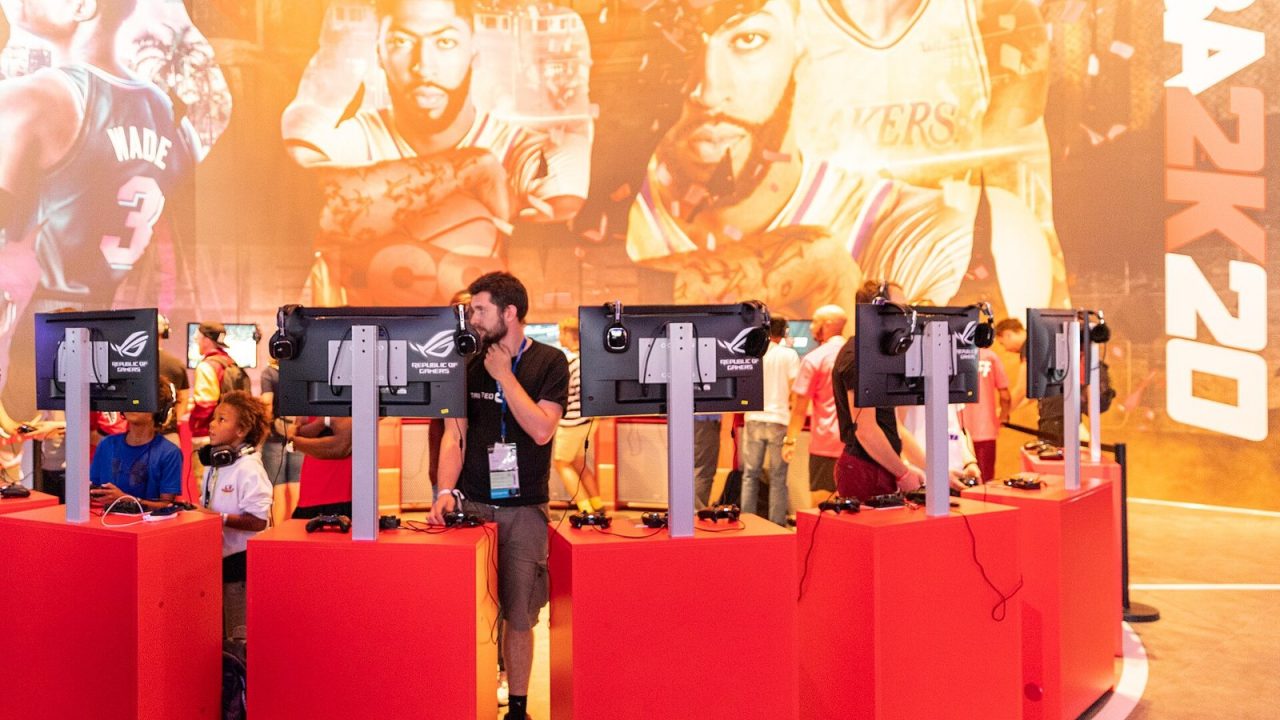
NBA 2K is so dominant today that it is easy to forget it began as an underdog. The series launched on a console that would soon be discontinued, competed against a well-established EA rival, and changed publishers within its first few years. Over more than a quarter of a century, it became the defining basketball video game, known for its presentation, its deep career and franchise modes, and the tributes it has paid to the sport’s greatest players.
This history traces NBA 2K from its 1999 debut to NBA 2K27, the current edition as of October 2026. If you are new to the games themselves, our NBA 2K beginner’s guide covers controls, shooting and modes.
1999: NBA 2K on Sega Dreamcast
The series was created by Visual Concepts, a California studio founded in 1988 by programmer Scott Patterson and brothers Greg and Jeff Thomas. Sega announced its intention to acquire the studio in 1997 and completed the deal in May 1999, shortly before the Dreamcast’s North American launch.
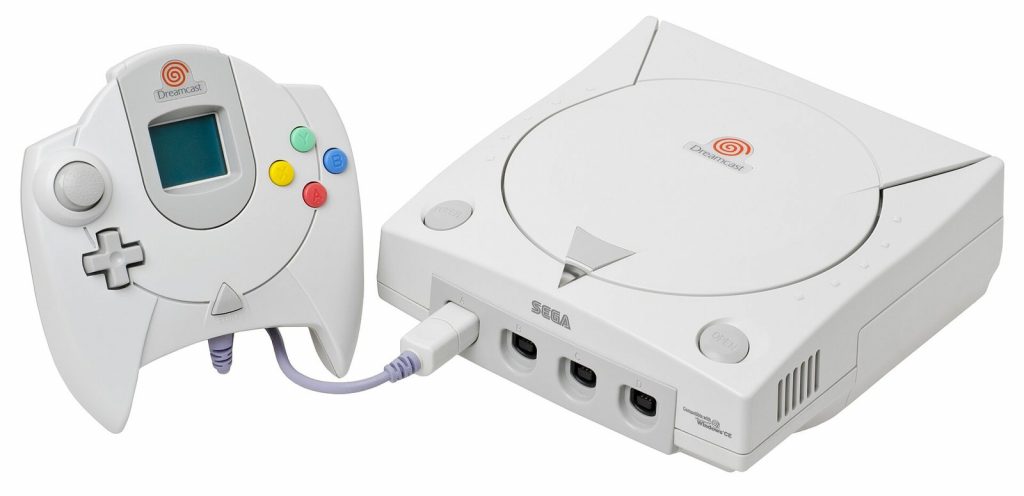
NBA 2K launched in North America on November 11, 1999, published by Sega, with Philadelphia 76ers star Allen Iverson on the cover. It used players and teams from the 1999–2000 NBA season and let players create their own. Critics were impressed: GameSpot called it the “most dynamic basketball video game ever,” awarding it 8.8 out of 10, and IGN scored it 9.2. A sequel, NBA 2K1, followed in 2000.
The Sega and ESPN Years
In the early 2000s, Visual Concepts’ sports games became known for their presentation and gameplay quality, and the studio’s lineup expanded to include ESPN-branded titles such as ESPN NBA Basketball in 2003. In 2004, Sega and Take-Two Interactive agreed to co-publish Visual Concepts’ ESPN-branded sports games, and ESPN NBA 2K5 was released that year.
2005: Take-Two and the Birth of 2K
The turning point came on January 24, 2005, when Take-Two announced a deal with Sega to acquire Visual Concepts, its subsidiary Kush Games and the 2K sports franchises for a reported US$24 million. The next day, Take-Two announced its 2K publishing label to manage the studios. Starting with NBA 2K6, 2K became the publisher of the series, a role it has held ever since.
The acquisition gave the series stable ownership and investment at the start of a new console generation, and it set the stage for the features that would define NBA 2K over the next two decades.
MyPLAYER and the Rise of the Career Mode
NBA 2K10 introduced MyPLAYER, a mode in which you created a basketball player, customized their appearance and animations, and guided them through a career while upgrading their attributes. It was the seed of what became MyCAREER, now the series’ central mode.
Over the following years, MyCAREER grew to include story-driven campaigns, created-player builds with attribute caps, badges, and online social spaces. On PS5 and Xbox Series X|S, the online Neighborhood was rebranded as The City in NBA 2K21, giving MyCAREER players a large shared hub of courts and activities. Our guide to career modes in sports games compares MyCAREER with its rivals in other series.
Jordan, Legends and Classic Teams
NBA 2K has a long tradition of celebrating basketball history.
NBA 2K11 and the Jordan Challenge
NBA 2K11, released in October 2010 with Michael Jordan on the cover, introduced the Jordan Challenge: recreate ten memorable moments from Jordan’s career, such as his 69-point game. Completing it unlocked a mode in which Jordan began a career in the 2010–11 season. The game also introduced classic NBA teams playable in quick games. It was widely praised, with Game Informer calling the Jordan mode “must-play,” and it had sold over 5.5 million copies by August 2011.
NBA 2K23: the Jordan Challenge returns and MyNBA Eras
NBA 2K23, released September 9, 2022, brought the Jordan Challenge back for the first time since NBA 2K11. It also introduced Eras to the MyNBA franchise mode, letting players start leagues in the 1983–84, 1991–92 or 2002–03 seasons, with period-appropriate arenas, logos, jerseys, broadcast styles and rules.
NBA 2K24 and Mamba Moments
NBA 2K24, released September 8, 2023, featured the late Kobe Bryant on its Standard and Black Mamba Edition covers. Its Mamba Moments feature let players recreate highlights of Bryant’s career, serving a similar role to the Jordan Challenge. NBA 2K21 had earlier honored Bryant with tribute covers following his death in 2020.
New Modes and Technology
Several milestones expanded what NBA 2K offers:
- MyTEAM, a card-based team-building mode, debuted in NBA 2K13. It includes optional purchases and paid random items; our neutral guide to card-based team modes explains how these modes work and how to set spending controls.
- The NBA 2K League, an official esports league, launched in 2018.
- WNBA teams joined the series in NBA 2K20, and later editions added WNBA-focused modes such as The W and MyWNBA.
- MyNBA combined the older MyGM and MyLEAGUE franchise modes on PS5 and Xbox Series X|S in NBA 2K21.
- Cross-play arrived for the first time in NBA 2K24, between PS5 and Xbox Series X|S.
- ProPLAY, introduced in NBA 2K24, turns real NBA game footage into in-game animations.
The Decline of NBA Live
For years, NBA 2K’s main competitor was EA’s NBA Live, which began with NBA Live 95 in 1994. As 2K’s games gained critical acclaim, Live struggled. EA attempted to reboot the series as NBA Elite 11, but that game was cancelled in 2010. NBA Live 13 was then cancelled in September 2012.
The series returned with NBA Live 14 in November 2013 and continued for several years, with NBA Live 19 in September 2018 becoming its last release. NBA Live 20 was cancelled in 2019 as EA shifted focus toward the next console generation, and further editions also did not appear. As of 2023, the series was on an indefinite hiatus, with EA not confirming whether it would return. That left NBA 2K as effectively the only major simulation basketball series on consoles.
The Modern Editions
| Edition | Release | Standard cover | Notes |
|---|---|---|---|
| NBA 2K21 | September 4, 2020 (PS5/Xbox Series later in 2020) | Damian Lillard (previous gen), Zion Williamson (next gen) | The City; MyNBA introduced on new consoles; over 8 million sold by end of 2020 |
| NBA 2K23 | September 9, 2022 | Devin Booker | Jordan Challenge returns; MyNBA Eras |
| NBA 2K24 | September 8, 2023 | Kobe Bryant | Mamba Moments; first cross-play; ProPLAY |
| NBA 2K25 | September 6, 2024 | Jayson Tatum | First edition with both NBA and WNBA players on covers; “Ball Over Everything” tagline |
| NBA 2K26 | September 5, 2025 | Shai Gilgeous-Alexander | Last edition on original Switch, PS4 and Xbox One |
| NBA 2K27 | September 4, 2026 | Victor Wembanyama | Caitlin Clark on Deluxe cover; Switch 2, PS5, Xbox Series X|S and PC |
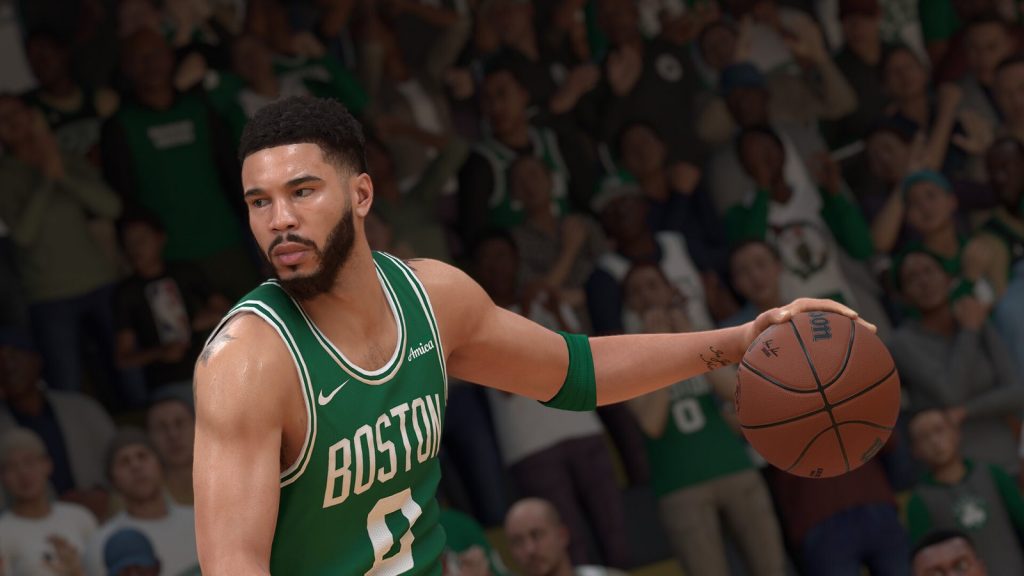
NBA 2K27, the 2026 edition, features Victor Wembanyama on the Standard Edition, Caitlin Clark on the Deluxe Edition and Derrick Rose on a limited-time Ultra Edition. It concentrates on current-generation hardware, with upgraded Rhythm Shooting, a redesigned dunk meter and a new Casual Corner area for relaxed 3v3 and 5v5 games.
Sales and Reception Over Time
NBA 2K’s commercial growth has been steady. The series had sold over 90 million units by December 2018, with NBA 2K14 its best-selling edition at that time. Recent editions have sold strongly too: NBA 2K25 reached 11.5 million units by August 2025, and NBA 2K26 passed 12 million by August 2026.
Critically, the series is consistently praised for its presentation, commentary, soundtracks and attention to detail. Its most persistent criticisms concern online stability, microtransactions tied to Virtual Currency, and a sense in some years that changes are incremental.
Covers as a Mirror of the League
NBA 2K’s cover athletes offer a quick way to follow the sport’s changing stars, and the choices have become part of the yearly conversation around each release. The series started with Allen Iverson, turned to Michael Jordan for NBA 2K11, and later honored Kobe Bryant. Recent editions have increasingly used several covers per year, often split between a standard edition, a deluxe or special edition and a WNBA edition. NBA 2K25 was the first release to feature both NBA and WNBA players on its covers, with Jayson Tatum, A’ja Wilson and Vince Carter, and NBA 2K26 featured Shai Gilgeous-Alexander, Angel Reese and Carmelo Anthony.
The broader trend is clear: the series now presents itself as a game about basketball as a whole, including its history and the WNBA, rather than only the current NBA season.
Why NBA 2K Endured
Several factors explain the series’ long run at the top. It invested early in presentation that resembled a television broadcast. It built modes, especially MyCAREER and MyNBA, that give players reasons to keep playing for a full year. It celebrated basketball history through classic teams, the Jordan Challenge and Eras. And with NBA Live on hiatus, it has faced no direct simulation rival for years.
From a Dreamcast launch title with Allen Iverson on the cover to a multi-platform franchise featuring stars of both the NBA and WNBA, NBA 2K’s story is one of steady evolution. Each new edition builds on decades of accumulated features, which is both the series’ greatest strength and, for some fans, its biggest challenge.